Four ways to reform the social care system in England
Prime Minister Andy Burnham has announced plans to reform the social care system in England, with cross-party talks to start later. Four options for reform have been proposed, including a cap on lifetime care costs, a more generous means test, free personal care, and a na…
Intelligence analysis by Llama
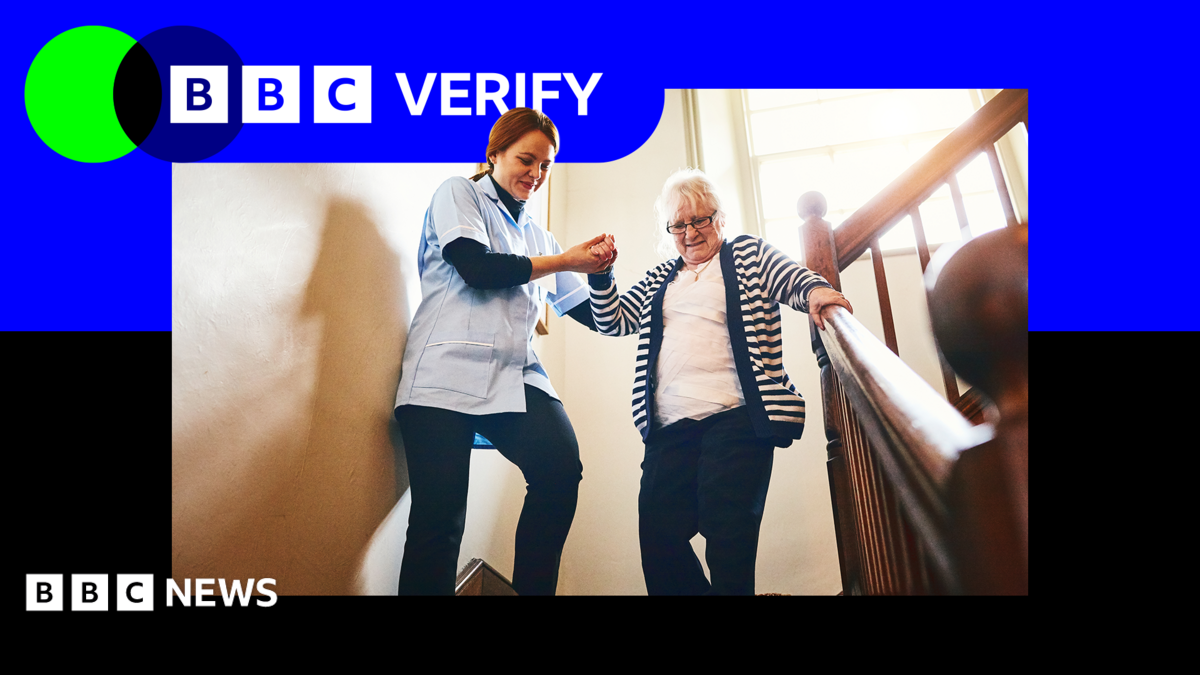
Prime Minister Andy Burnham has announced plans to reform the social care system in England, with four options on the table: a cap on lifetime care costs, a more generous means test, free personal care, and a national care service. Cross-party talks will start later to discuss the proposals.
Imagine you're really old and need help with things like washing and dressing. The government wants to make sure everyone gets this help for free, no matter how much money they have. They're thinking about different ways to make this happen, like creating a new system like the NHS or making sure everyone gets free help at home.
Analysis
A $60B Vote of Confidence in Social Care Reform
The social care system in England is in dire need of reform, with many people facing high costs for care at the end of their life. Prime Minister Andy Burnham has announced plans to reform the system, with cross-party talks to start later. The proposals put forward by Burnham aim to address these issues and provide a more sustainable solution for the future.
Why a National Care Service?
One of the options on the table is a national care service, similar in ambition to the NHS. This would mean all personal care would be free at the point of use while establishing national standards and care entitlement criteria. The Health Foundation has estimated the cost of creating a universal and comprehensive social care system in England would be around £19bn a year extra by 2036.
The Cost of Free Personal Care
Another option is to ensure that everyone who is eligible, based on their needs, should get state-funded personal care that is free at the point of use. This would be provided free regardless of an individual's means and whether it was received by an elderly person in their own house or a residential care home. Scotland has implemented such a system, and the Health Foundation think tank estimates that implementing a Scottish-style system in England would cost £7.5bn a year by 2036.
Key points
- Prime Minister Andy Burnham has announced plans to reform the social care system in England
- Four options for reform have been proposed, including a cap on lifetime care costs, a more generous means test, free personal care, and a national care service
- Cross-party talks will start later to discuss the proposals
If the government implements a national care service, it could provide a more sustainable solution for the future of social care in England. This could lead to better care for older people and their families, and reduce the financial burden on individuals.
If the government fails to implement a comprehensive social care system, it could lead to a crisis in care provision for older people. This could result in many people facing high costs for care at the end of their life, and a lack of support for those who need it most.