France recorded more than 5,700 excess deaths during June heatwave
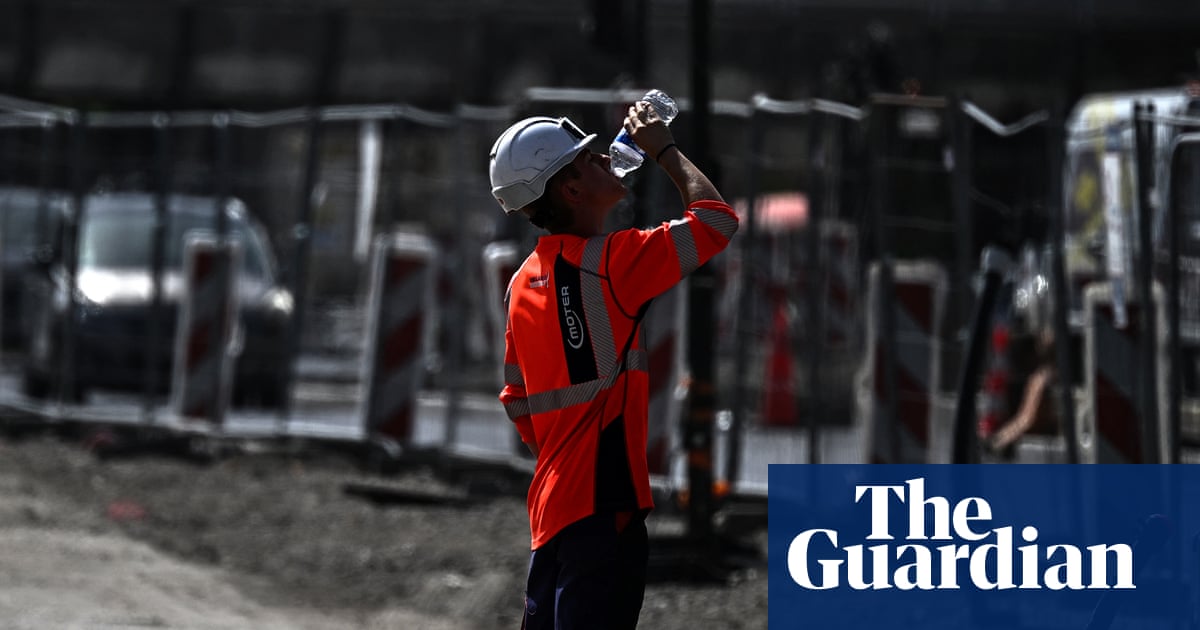
France recorded more than 5,700 excess deaths during its June heatwave, authorities have said, as swathes of southern Europe continue to endure another record-breaking period of extreme temperatures.
Intelligence analysis by Llama
France's June heatwave resulted in over 5,700 excess deaths, with the majority occurring between 25 and 27 June. The French national health agency reported an excess mortality rate of 36%. The heatwave has also led to wildfires in Spain, with a large fire burning in the Guadalajara region.
A heatwave in France and other parts of Europe has caused many people to die. The heatwave has also caused big fires in Spain and Italy. This is because of climate change, which is making the Earth get hotter and drier. This can cause big problems for people and the environment.
Analysis
A Devastating Heatwave in France and Beyond
The June heatwave in France has resulted in a staggering 5,764 excess deaths, with the majority occurring between 25 and 27 June. The French national health agency reported an excess mortality rate of 36%, with those aged 75 and older accounting for about two-thirds of the excess mortality. The heatwave has also led to wildfires in Spain, with a large fire burning in the Guadalajara region. The situation has been described as 'very difficult' by authorities, with 1,100 firefighters fighting the blaze all night. In Greece, temperatures were forecast to top 41C, prompting authorities to ban outdoor work at peak midday sun. The heatwave has also had a significant impact on the environment, with several fires burning across Sicily in Italy, prompting scattered evacuations. The country's civil protection agency has declared all of the island at the highest risk for wildfires, with high winds and 40C-plus temperatures fuelling several blazes.
The Climate Emergency in Europe
Europe is the world's fastest-warming continent, and scientists say human-driven climate change is increasing the frequency and intensity of heatwaves, droughts, and wildfires, while also creating conditions for sudden, destructive storms. The Guadalajara fire comes less than two weeks after a deadly blaze devastated a small expatriate community in southern Spain, killing 13 people including several foreigners in one of the country's deadliest wildfires on record. Spain's ecological transition minister, Sara Aagesen, described the Guadalajara blaze as 'one of the largest in the recent history of our country', with data showing it was exceeded only by the 37,000 hectares burned by a fire in north-west Spain last year.
A Growing Concern
The heatwave and resulting wildfires in southern Europe highlight the growing concern of climate change and its impact on human health and the environment. The situation has been described as 'only going to get worse' by authorities, with the prime minister of Spain, Pedro Sánchez, saying that more must be done to prevent fires. The national weather agency, Aemet, has urged people to exercise extreme caution amid highs of 42-44C and a dry westerly wind. The heatwave has also had a significant impact on the environment, with several fires burning across Sicily in Italy, prompting scattered evacuations. The country's civil protection agency has declared all of the island at the highest risk for wildfires, with high winds and 40C-plus temperatures fuelling several blazes.
Key points
- France recorded more than 5,700 excess deaths during its June heatwave.
- The heatwave has also led to wildfires in Spain, with a large fire burning in the Guadalajara region.
- The French national health agency reported an excess mortality rate of 36%.
- Those aged 75 and older accounted for about two-thirds of the excess mortality.
- The heatwave has also had a significant impact on the environment, with several fires burning across Sicily in Italy, prompting scattered evacuations.
If the heatwave subsides and temperatures return to normal, the risk of wildfires and heat-related illnesses will decrease. Additionally, efforts to prevent fires and mitigate the effects of climate change may lead to a reduction in the frequency and severity of heatwaves in the future.
The heatwave and resulting wildfires in southern Europe highlight the growing concern of climate change and its impact on human health and the environment. The situation has been described as 'only going to get worse' by authorities, with the prime minister of Spain, Pedro Sánchez, saying that more must be done to prevent fires. The national weather agency, Aemet, has urged people to exercise extreme caution amid highs of 42-44C and a dry westerly wind.