Sperm whales change 'vowel' sounds when boats are nearby, scientists discover
Researchers from Project Ceti found that sperm whales off Dominica alter their click patterns and favor one 'vowel-like' sound when shipping noise is present, enabling prediction of nearby vessels from vocalizations alone.
Intelligence analysis by Llama
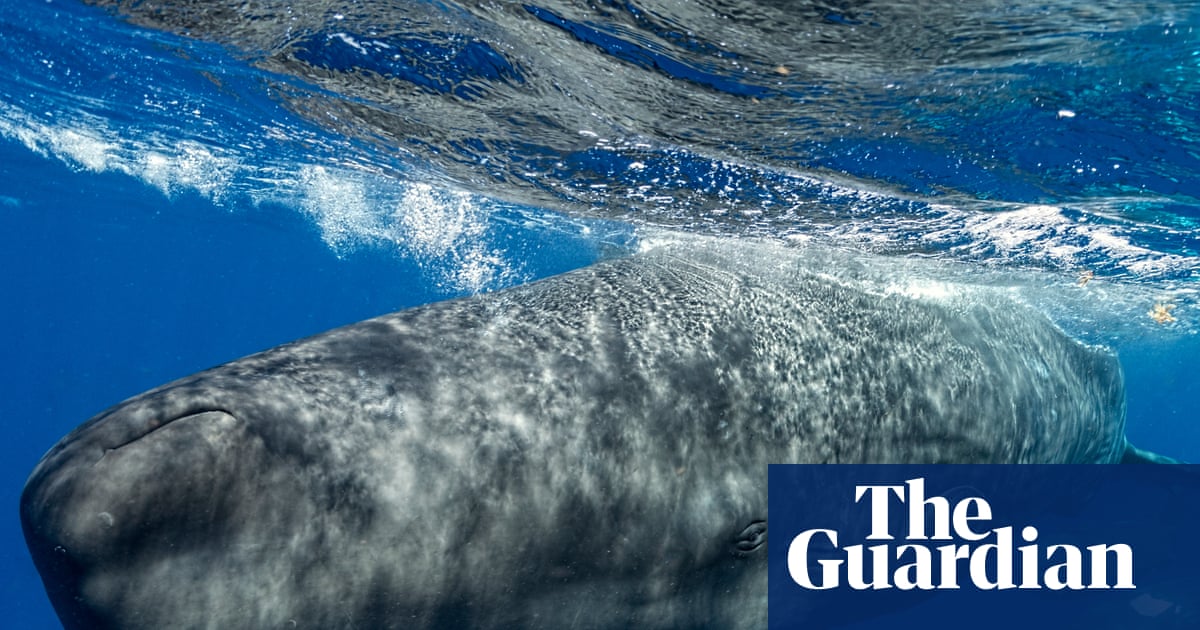
After four years recording 15 sperm whales off Dominica, Project Ceti researchers report that the animals shift both the tempo and type of their clicking codas in response to shipping noise, leaning on an 'aaaa' vowel-like sound. The pattern is strong enough to predict vessel presence from whale calls alone, raising new questions about how underwater noise shapes cetacean communication.
Scientists listening to whales in the ocean noticed the whales talk faster and pick a different 'aaaa' sound when big boats come close. It's like the whales are changing their song because the noisy boats make it harder to chat. By hearing the whales, the scientists can even tell when a ship is nearby.
Analysis
Sperm Whales Edit Their Calls When Ships Show Up
For four years, Project Ceti's team floated above a 15-strong pod of sperm whales in the waters around Dominica, pressing microphones close enough to pick up the discrete click sequences the animals use to talk to each other. The result, published in Ecological Informatics, is a remarkably clean signal: in the presence of shipping noise, the whales' iconic 1-1-3 coda compresses, with the intervals between clicks shrinking so the whole sequence is delivered faster. Linguist Gašper Beguš said the pattern was strong enough that the team could generally predict whether a vessel was nearby from vocalisations alone, a finding that turns whale recordings into a passive ship-detection system.
What makes the study unusual is not just that whales are responding to noise, which has been documented in many marine species, but the precision of the response. The team found whales did not primarily raise the volume of their calls in noisy conditions, the classic Lombard effect seen in other animals. Instead, they reshuffled which coda types they used, shifting the balance toward one particular pattern. That shifts the conversation from 'whales shouting over boats' to 'whales changing what they say when boats are around.'
The 'Vowel' Question Carries Real Weight
Project Ceti's earlier work caused a stir by describing two continuous sound units inside sperm whale codas, the 'aaaa' and 'iiii' vowel-like sounds formed when the gaps between clicks collapse. Skeptics argued that framing cetacean communication in linguistic terms overstates the parallels with human language. Project Ceti now uses hedging like 'vowel-like' and 'language-like,' but the new data give the vowels real analytical bite. In noisy conditions, the 'aaaa' coda became more prevalent, and the vowels, whatever they turn out to be, are no longer just a curiosity; they look like a variable the whales actively tune.
The cautious response from outside experts underscores how high the interpretive stakes are. Nathan Merchant, an underwater noise specialist at the UK agency Cefas who was not involved in the study, said unknown factors could still be driving the change but his 'hunch' was causal. He flagged the core unresolved question in plain terms: are the whales struggling to say the same thing louder, or are they saying something different? Until that is settled, the vowels remain a fingerprint of disturbance rather than a confirmed message.
From Dominica's Pod to Global Shipping Rules
For Project Ceti's founder David Gruber, the policy implications are the point. If vocalisation patterns reliably track vessel presence, they could eventually feed into monitoring regimes for underwater noise, a pollutant regulators are only beginning to treat seriously. The International Maritime Organization has been working on guidelines for quieting ships, and tools that let scientists identify when noise is altering animal behavior add weight to calls for slower speeds, rerouted lanes, or quieter propeller designs in critical whale habitat.
The Caribbean setting matters strategically. The Eastern Caribbean is one of the world's busiest shipping corridors for container traffic heading to and from the Panama Canal, and sperm whales in the region belong to a small, genetically distinct clan. Showing that even this population's communication shifts in measurable ways under routine vessel traffic reframes 'background noise' as a documented biological cost, not just an acoustic inconvenience. As Beguš put it, the vowels the team discovered may actually be carrying meaningful information, and the next phase of research will be to find out what that information is.
Key points
- Sperm whales off Dominica compress their 1-1-3 coda clicks and favor an 'aaaa' vowel-like sound when shipping noise is present
- Project Ceti recorded more than 1,000 codas from 15 whales over four years, using drone-deployed audio tags and digital geolocation to verify vessel presence
- Unlike many marine species, the whales did not primarily raise call volume in noisy conditions, instead shifting coda type and tempo
- The vocalisation pattern is strong enough that researchers can generally predict from whale calls alone whether a ship is nearby
- Outside experts say the finding adds nuance to evidence that underwater noise alters cetacean behavior, but the meaning of the changes remains unclear
If further research confirms that whale vocalisations reliably signal vessel presence, passive acoustic monitoring could become a low-cost tool for enforcing ocean noise regulations, giving regulators a direct way to measure when shipping disrupts marine life and pushing the industry toward quieter routes and slower speeds in sensitive habitats.
The loudest shipping lanes could be degrading whale communication faster than scientists can decode it, and if the 'vowels' turn out to be whales struggling to be heard rather than meaningful signals, the population-level effects of chronic noise pollution may already be entrenched in vulnerable clans like Dominica's.