French PM blames 'ultra-left' groups for weekend riots, promises 'massive' security deployment
French Prime Minister Sébastien Lecornu blamed "ultra-left" groups for orchestrating an "insurrectionary plan" leading to weekend riots during cost-of-living protests. He announced a "massive" security deployment, including military forces, for upcoming demonstrations to …
Intelligence analysis by Gemini 2.5 Flash
French Prime Minister Sébastien Lecornu has accused "ultra-left" groups of fomenting an "insurrection" that resulted in violent riots during recent nationwide protests concerning the cost of living and education funding. In response, the government plans to deploy a "massive" security presence, including the Sentinelle military force, for new demonstrations this coming Saturday, aimin…
Imagine some kids are really upset about something, like not enough snacks at school, and they start making a big fuss, even breaking things. The grown-up in charge, Prime Minister Lecornu, says that some really angry groups are making things worse on purpose, like trying to start a big fight. So, he's sending lots and lots of security guards, even some soldiers, to make sure everyone stays safe and things don't get out of hand at the next big protest. He just wants everyone to calm down and follow the rules.
Analysis
French Prime Minister Sébastien Lecornu's recent statements in the National Assembly mark a significant escalation in the government's response to ongoing social unrest. By directly blaming "ultra-left" groups for an "insurrectionary plan," Lecornu is framing the violence not as spontaneous protest but as a deliberate, organized attempt to destabilize the state. This rhetoric serves to justify a robust security crackdown and potentially delegitimize the broader protest movement, which initially coalesced around legitimate grievances over the cost of living and education funding. The government's firm stance underscores a determination to reassert control and prevent further disruption, but it also risks alienating segments of the population and intensifying the cycle of confrontation.
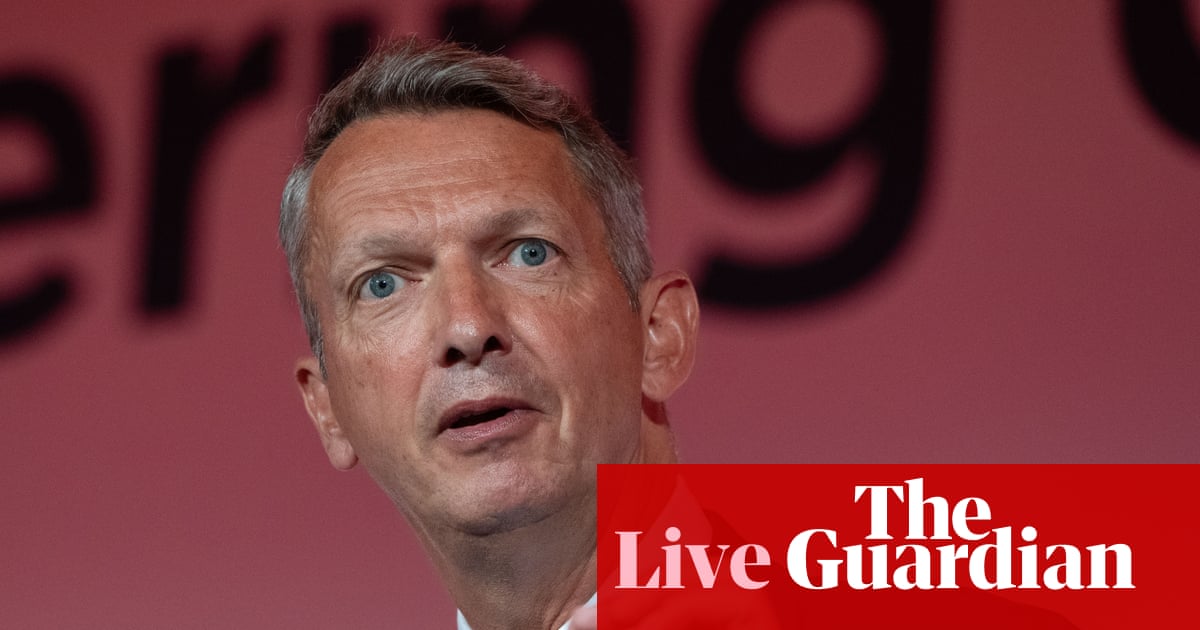
Sébastien Lecornu
Prime Minister Sébastien Lecornu's accusations against "ultra-left" groups are central to the government's narrative regarding the recent riots. He explicitly condemned what he termed an "insurrectionary plan" orchestrated by these fringe elements, suggesting a premeditated effort to incite violence rather than a spontaneous outburst of anger. This framing allows the government to differentiate between legitimate protesters and those it deems responsible for the disorder, thereby justifying a more forceful response. Lecornu's commitment to an "immediate return to order" signals a zero-tolerance policy for further unrest, setting a clear expectation for public conduct during future demonstrations.
His statements, delivered during a "raucous session of parliament," were designed to convey resolve and reassure the public that the government is taking decisive action. By publicly identifying a specific culprit, the administration aims to rally support for its security measures and perhaps deflect criticism regarding the underlying causes of the protests. The Prime Minister's strong language also sends a clear warning to potential agitators, emphasizing that attempts to "march on the Elysée or Matignon" will not be tolerated, reinforcing the sanctity of governmental institutions.
National Assembly
The National Assembly served as the critical platform for the government to articulate its strategy and justify its actions. The "raucous session of parliament" described in the article highlights the contentious nature of the debate surrounding the protests and the government's response. It is within this legislative body that Prime Minister Lecornu made his accusations and announced the forthcoming security measures, leveraging the forum to communicate directly with both elected representatives and the wider public. This setting provides a degree of democratic legitimacy to the government's plans, even amidst strong opposition.
Interior Minister Laurent Nunez also used the National Assembly to detail the specifics of the security deployment, including the controversial decision to involve military forces. The parliamentary session allows for a public accounting of the government's intentions, even if it is met with significant dissent. The transparency, however limited, of announcing such measures in parliament is a key aspect of democratic governance, enabling scrutiny and debate over the state's use of force in maintaining public order.
Sentinelle force
The deployment of the Sentinelle force represents a significant escalation in the government's security posture. Interior Minister Laurent Nunez confirmed that these military forces would be used to "reinforce police during protests slated for this coming Saturday." The primary objective of this deployment is to free up police and gendarmes, allowing them to focus more directly on crowd control and maintaining order during demonstrations. This move underscores the perceived severity of the threat and the strain on conventional law enforcement resources.
While the Sentinelle force is typically associated with anti-terrorism operations, its use in managing domestic protests signals a heightened level of concern within the government regarding the potential for violence. The decision to involve military personnel in civilian policing operations is often controversial, raising questions about civil liberties and the appropriate role of the armed forces. However, the government's rationale is to ensure an overwhelming security presence, aiming to deter unrest and restore stability quickly, even if it means blurring the lines between military and police functions in a domestic context.
Key points
- French PM Sébastien Lecornu blamed "ultra-left" groups for orchestrating an "insurrectionary plan" leading to weekend riots.
- Lecornu announced a "massive" security deployment for upcoming protests this Saturday.
- Interior Minister Laurent Nunez confirmed the deployment of the Sentinelle military force to reinforce police.
- The military deployment aims to free up police and gendarmes for crowd control and maintaining order.
- The government's goal is an "immediate return to order" following nationwide protests over the cost of living and education funding.
The government's planned "massive" security deployment, including the Sentinelle force, could effectively deter further violence and ensure that upcoming protests remain peaceful. This strong stance might lead to an "immediate return to order," allowing for constructive dialogue on the underlying issues of the cost of living and education funding without the disruption of riots.
The accusation of an "insurrectionary plan" and the deployment of military forces risk further escalating tensions between protesters and the state, potentially leading to more violent confrontations. This approach could also be seen as an overreach, potentially infringing on civil liberties and fueling greater public resentment, making a peaceful resolution more difficult.