French tourist dies in Death Valley heat after vehicle gets stuck in mud
A 68-year-old French tourist died in Death Valley after his vehicle became stuck in mud and he set out on foot seeking help in 116-degree heat. His companion reached Badwater Road and flagged down a driver, but searchers later found Formosa's body about 1.5 miles from the…
Intelligence analysis by Llama
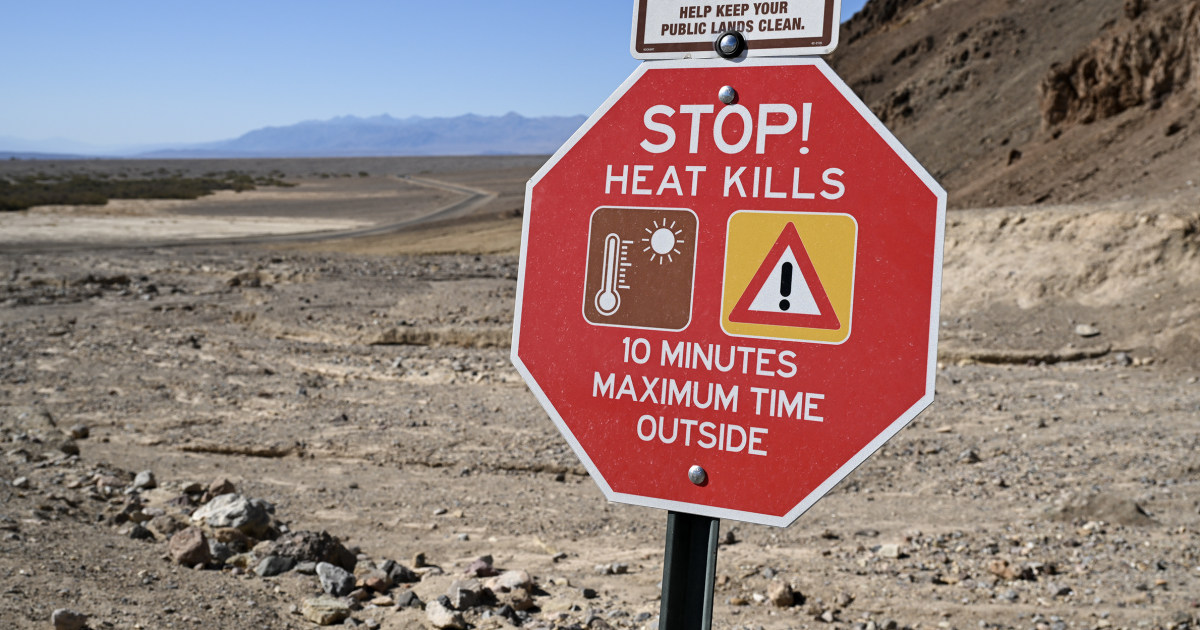
Pierre Michel Formosa, 68, was hiking toward Badwater Road with a companion after their vehicle got stuck in mud on Death Valley's salt flats. Extreme heat warnings forecast 115–119°F, and park officials urged visitors to carry water, satellite phones, and stay on paved roads.
A man visiting Death Valley got his car stuck in the mud when it was 116°F outside. He walked to find help but got too tired and hot, and sadly didn't make it. His friend got to the road and called for rescue, but it was too late. The park says always bring lots of water and stay on paved roads.
Analysis
Pierre Michel Formosa's final trek across the salt flats
The death of 68-year-old Pierre Michel Formosa, a French national, captures the unforgiving nature of Death Valley's salt flats during peak summer. According to the National Park Service, Formosa and a companion were in a vehicle that became stuck in mud in a historic mining area near a hiking trail. With daytime temperatures at 116°F, the two set out on foot toward Badwater Road, the park's main paved artery. Formosa stopped roughly 1.3 miles into the walk, saying he could not continue, and was found dead about 1.5 miles from the road later that afternoon after his companion flagged down a passing driver around 2 p.m.
The extreme heat warning and its 115–119°F forecast
The National Weather Service issued an extreme heat warning for Death Valley through Sunday night, warning of "dangerously hot conditions." Forecast highs were expected in the 115–118°F range for the workweek, with Wednesday's high reaching 119°F. Such ground-level temperatures, combined with the salt flats' reflective surface and lack of shade, accelerate dehydration and heatstroke within minutes, even for physically fit individuals. Park rangers and a California Highway Patrol helicopter participated in the search for Formosa, but the combination of distance, terrain, and heat had already proved fatal.
Superintendent Mike Reynolds and the park service's visitor guidance
Death Valley National Park Superintendent Mike Reynolds called Formosa's death "a heartbreaking reminder of how quickly conditions here can turn dangerous." The park service urged visitors to stay on paved roads during extreme heat, carry satellite phones or beacons, and bring ample drinking water. Reynolds added that "Death Valley is an extraordinary place, but its heat, distances, and remoteness can be dangerous, regardless of experience," a pointed message aimed at tourists who may underestimate the desert's hazards based on past visits or general fitness.
Key points
- Pierre Michel Formosa, 68, died after his vehicle became stuck in mud on Death Valley's salt flats
- Temperatures reached 116°F; his companion reached Badwater Road and flagged down help around 2 p.m.
- Searchers found Formosa's body about 1.5 miles from Badwater Road later that afternoon
- The National Weather Service issued an extreme heat warning with highs of 115–119°F through the workweek
- Park Superintendent Mike Reynolds urged visitors to stay on paved roads and carry water and satellite devices
Climate trends suggest Death Valley's extreme heat events may become more frequent or prolonged, raising the likelihood of similar tragedies. Visitor traffic to remote desert parks often peaks during summer when conditions are most dangerous, and tourists unfamiliar with desert hazards may continue to underestimate exposure risks.