Friday briefing: How Gaza, Lebanon and Iran have found themselves caught in an escalation without end
Trump talks up a deal with Iran, but fighting across Gaza, Lebanon and Iran still deepens and civilians keep fleeing. The Guardian says the region feels trapped in a conflict with no clear exit.
Intelligence analysis by GPT-5.4 Mini
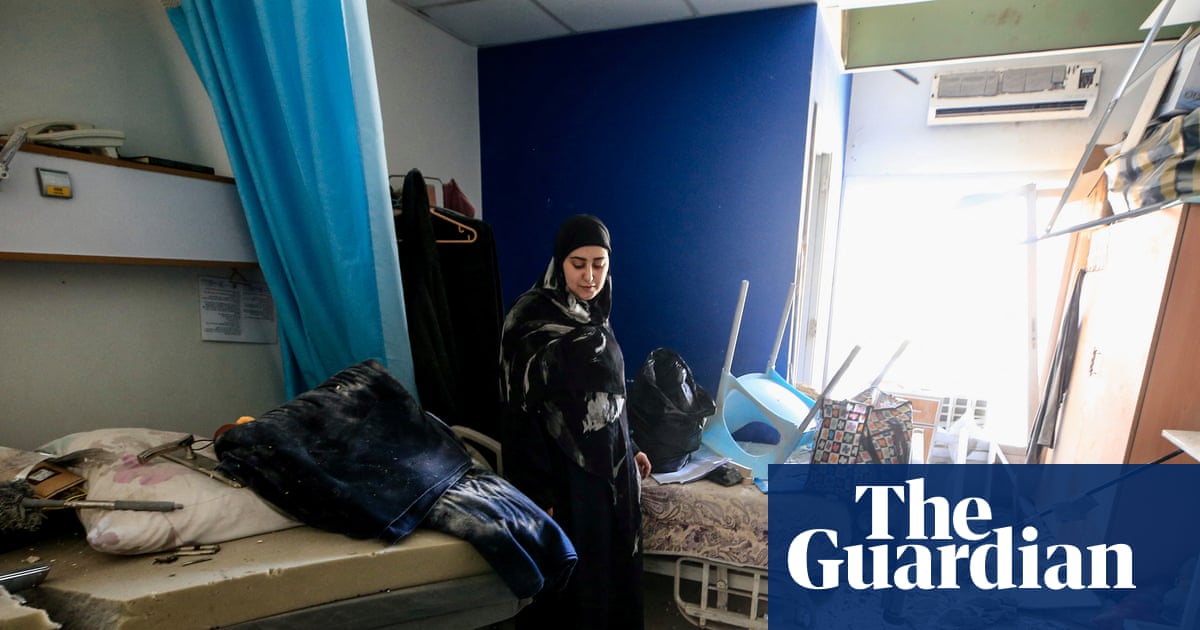
The piece frames the Middle East as stuck in a widening cycle of strikes, failed ceasefires and political brinkmanship. While global leaders focus on oil and elections, people in the region are living with displacement, rising deaths and no sense that peace is close.
The article says the Middle East feels like a fire that keeps spreading instead of going out. Leaders talk about peace, but bombs keep falling, families keep running, and the fight keeps pulling in more places.
Analysis
What the briefing argues
The Guardian says the week ended with more public talk of peace than actual peace. Donald Trump is still claiming that a deal with Iran is close, and the article links that to the Strait of Hormuz, a vital shipping route for a large share of the world's oil and liquefied gas. But the reporting makes clear that people living in the region are seeing something very different: more bombing, more death and more forced movement.
Lebanon, Gaza and Iran
The article says Israel pushed deeper into Lebanon than it has in more than 26 years, with strikes killing at least nine people and forcing hundreds of thousands from their homes in the south. It adds that Israel and Lebanon had agreed to a US-backed ceasefire, but the Israeli defence minister said ground operations would continue. Hezbollah then rejected the ceasefire as well and demanded a full Israeli withdrawal.
The newsletter also places this in the context of Gaza and Iran, where the conflict is described as still unresolved and potentially expanding. Far-right figures in Benjamin Netanyahu's coalition are presented as pushing for annexation of southern Lebanon, Gaza and the West Bank. The article suggests some analysts in Israel believe Netanyahu may want to broaden the war for strategic reasons, even as Trump appears more cautious because of domestic unpopularity, inflation and higher oil prices.
The political test ahead
Emma Graham-Harrison, the Guardian's chief Middle East correspondent, is quoted in the piece as saying the war now looks stalled. The article says one important measure of success or failure is whether Iran's enriched uranium remains part of the outcome, since earlier hopes of regime change in Tehran were always unrealistic. It also notes that upcoming elections in Israel may become a test of whether Netanyahu can persuade voters that security gains since 7 October 2023 outweigh the failures that left Israel exposed.
Overall, the briefing portrays a region trapped in an escalation that has no obvious end point and no credible peace process yet in sight.
Key points
- Trump says a peace agreement with Iran may be close, but the article argues the region still feels far from peace.
- Israel's offensive in Lebanon is described as its deepest in more than 26 years, with strikes killing at least nine people.
- Hundreds of thousands have been forced from their homes in southern Lebanon.
- The briefing says the conflict is tied to oil markets, especially the Strait of Hormuz.
- The piece suggests Netanyahu may face domestic electoral pressure to show security gains.
If the US-backed ceasefire holds and diplomacy with Iran advances, fighting could slow and the Strait of Hormuz could reopen fully. That would reduce pressure on civilians in Lebanon and ease fears over oil and gas shipments.
If ceasefires keep collapsing, the fighting could spread further and leave even more people displaced. The article also suggests the conflict could be used for domestic political gain, making de-escalation harder and prolonging the stalemate.