Friday briefing: What do the cuts in aid mean for the fight against Ebola in the DRC?
Ebola is spreading in eastern DRC and into Uganda, while aid cuts have weakened the response and raised fears of a longer crisis.
Intelligence analysis by GPT-5.4 Mini
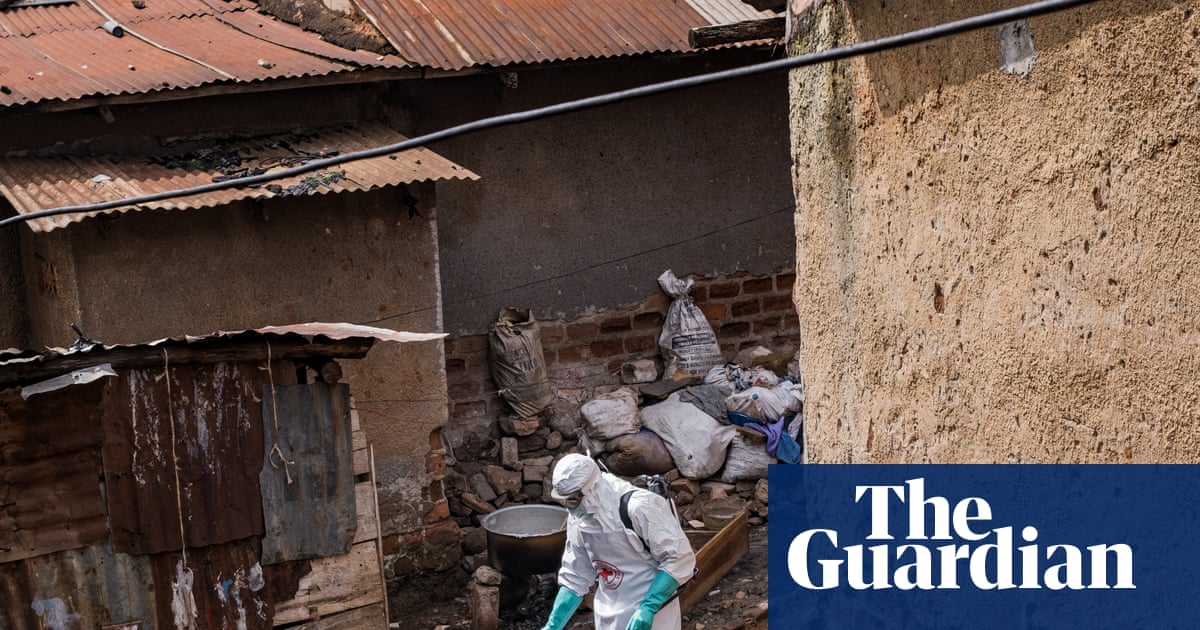
The Guardian says the outbreak in Ituri, a conflict-hit mining hub, is moving across eastern DRC and into Kampala as health workers struggle with thin resources, weak labs and distrust. Officials warn that cuts to aid have stripped back the rapid-response systems built for earlier outbreaks.
Ebola is a very dangerous sickness that can spread from one person to another through body fluids. In this story, it is spreading in a part of Africa where there is also fighting, crowded shelters, and not enough medical help.
Think of it like a small fire in a dry forest. If there are not enough firefighters, water hoses, or maps, the fire can spread before anyone stops it. The article says aid cuts have made it harder for health teams to move fast.
Doctors and nurses are trying hard, but some have died too. Many people are scared and do not trust hospitals, which makes the job even harder.
Analysis
Outbreak conditions
Ebola is spreading in parts of east Africa, with the current outbreak centered in Ituri province in the Democratic Republic of the Congo. The article says at least 240 people are suspected to have died since the outbreak began earlier this month. Ituri is described as a difficult place to contain a virus: it is both a mining area, where many people work close together, and an active conflict zone with ongoing fighting and displacement.
Health workers say the outbreak may have been circulating in the community before it was formally declared on 15 May. That delay matters because early treatment can improve survival. The disease can look at first like malaria or typhoid, with fever, muscle pain, vomiting and diarrhoea, and the lack of laboratory capacity makes tracking cases harder than it should be.
Why aid cuts matter
The article argues that this is the first major Ebola outbreak since the US, UK and other western countries sharply reduced humanitarian aid. It says the rapid-response structures built during earlier outbreaks have been cut back so heavily that they are no longer fully effective. That weakens contact tracing, testing, protective equipment supply, and other basic outbreak controls.
Frontline workers are also facing direct losses. The piece reports that at least five doctors and nurses have died after treating patients at Bunia Evangelical medical centre, including Dr Vladimir Maduali and Dr Tibenderana Katho Blaise. Some colleagues are believed to have been infected as well. One doctor quoted in the article says people need to arrive early for care because late treatment sharply raises the fatality risk.
Community mistrust
The response is also being undermined by conspiracy claims and fear. Some people in Ituri reportedly think Ebola does not exist or believe humanitarian workers brought it in. Strict burial rules have angered families, and the article describes one arson attack on an Ebola center after people tried to recover a body. That mix of fear, violence and weak funding makes a prolonged outbreak more likely.
Key points
- Ebola is spreading in eastern DRC and has reached Kampala, Uganda.
- The outbreak is centered in Ituri, a mining area and conflict zone with displaced people.
- Health workers say aid cuts have weakened the systems needed to respond quickly.
- At least five doctors and nurses have died after treating patients in Bunia.
- Fear, rumours and anger over burial rules are making control efforts harder.