Friendship or leverage: Why is Xi Jinping going to North Korea?
Xi’s visit to North Korea is less about symbolism than China’s attempt to regain leverage over a volatile neighbour.
Intelligence analysis by GPT-5.4 Mini
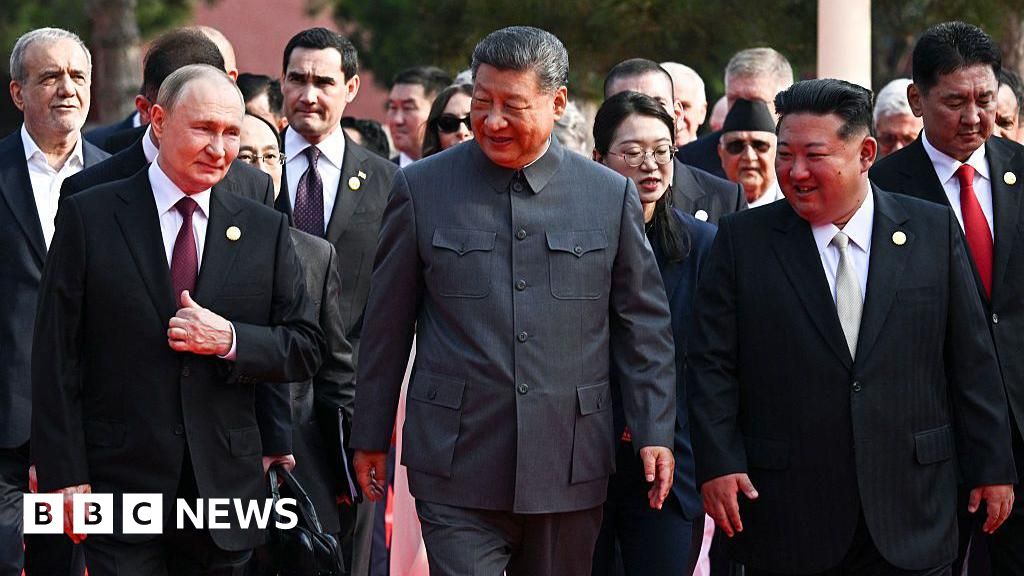
Beijing wants stability on its border and influence in Pyongyang, but North Korea’s deepening ties with Russia have complicated that goal. Xi’s trip is being read as a bid to pull Kim Jong Un back toward China’s orbit without pushing him further into Moscow’s arms.
Xi is going to North Korea like a strong older neighbour visiting a tricky house next door. China wants calm on its border and does not want North Korea to become too close to Russia, so the visit is a way to keep influence without starting a fight.
Analysis
What Xi is trying to do
The BBC frames Xi Jinping’s trip to North Korea as a move driven more by leverage than friendship. China sees North Korea as a neighbour it cannot control fully, but also cannot afford to lose, especially given the instability that Pyongyang’s nuclear program creates on China’s border.
Why the timing matters
Beijing has become uneasy about North Korea’s closer relationship with Russia. The article says Pyongyang and Moscow have deepened military cooperation since Russia’s invasion of Ukraine, including a mutual defence pact signed during Vladimir Putin’s 2024 visit to Pyongyang. The BBC also reports that about 2,300 North Korean soldiers have died fighting for Russia in Ukraine, while North Korea is accused of sending ammunition in return for oil and aid.
China appears to have responded by trying to reassert its role. Xi invited Kim Jong Un to Beijing for a military parade last year, their first formal summit in six years. That was paired with warmer language about being “good neighbours” and having a shared destiny, but the article notes that China did not publicly address North Korea’s nuclear arsenal.
Beijing’s balancing act
Analysts quoted by the BBC say China has mixed feelings. A stronger Russia-North Korea partnership can distract Washington and complicate US strategy, which may indirectly help China. But a tighter military alignment among the US, Japan, and South Korea would worry Beijing. China also does not want to push North Korea so far that it becomes even more dependent on Putin.
Economically, China still has influence. The article says Chinese exports to North Korea reached about $2.3bn last year, the highest in six years, and passenger train services between Beijing and Pyongyang have resumed after a long pause. Those moves suggest Beijing is trying to draw Kim back into its orbit while keeping the relationship under control.
Key points
- Xi’s trip is portrayed as a move to regain leverage over North Korea, not just a gesture of friendship.
- China is uneasy about the growing military partnership between Pyongyang and Moscow.
- Beijing does not want to endorse North Korea’s nuclear programme, but it also avoids confronting it directly.
- China is using trade and resumed transport links to pull North Korea back toward its orbit.
- Analysts say Beijing is trying to balance its own interests without pushing Kim Jong Un further toward Russia.
If Xi’s visit helps restore stronger ties, China may have more influence over Pyongyang and a better chance of keeping the border stable. A closer channel between Beijing and North Korea could also make future talks over security crises easier to manage.
If North Korea keeps drifting toward Russia, China may lose leverage over a neighbour it already struggles to control. That could leave Beijing facing more regional tension, more pressure from the US and its allies, and less ability to shape North Korea’s nuclear behaviour.