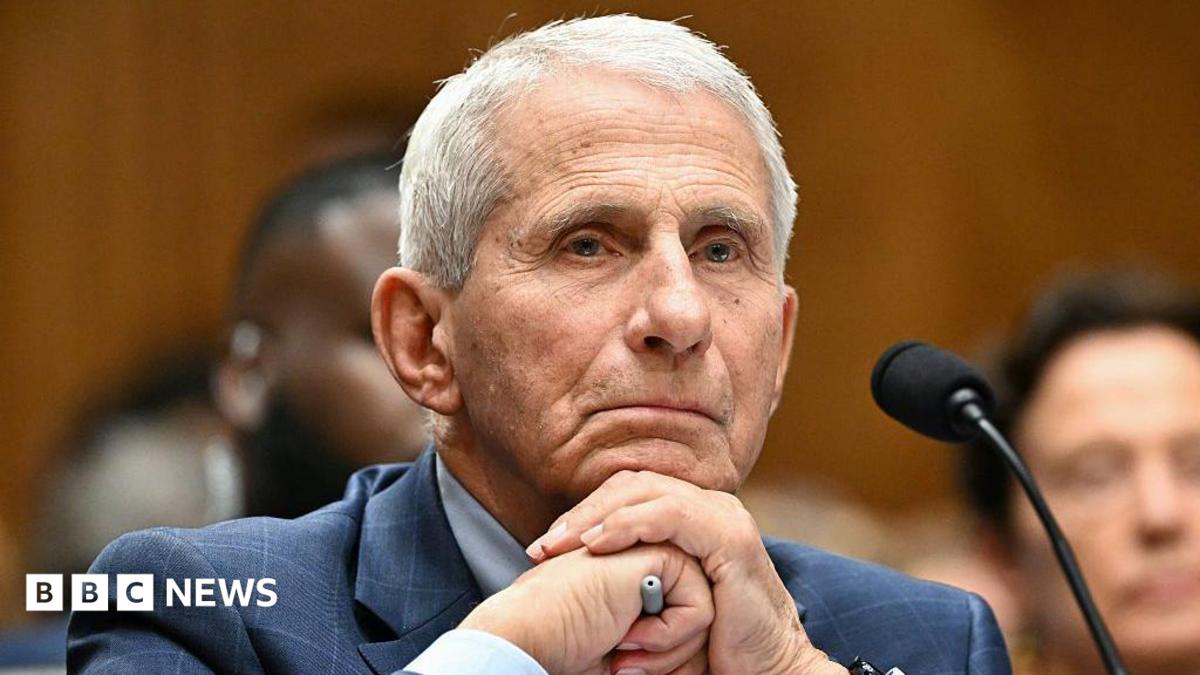
From first lady to president? Inside the rise of Peru’s Keiko Fujimori
Keiko Fujimori is making her fourth run for Peru’s presidency, but her family’s legacy and old scandals still divide voters.
Intelligence analysis by GPT-5.4 Mini

The article traces how Keiko Fujimori went from teenage stand-in in her father’s palace circle to Peru’s most enduring opposition figure. It argues that she is now closer than ever to the presidency, even as her popularity, past controversies, and family name remain major liabilities.
Keiko Fujimori is like a player who keeps getting back to the final game, but keeps missing the last shot. Her family name is famous, and some people trust it, while others think it brings old troubles with it.
Analysis
A familiar name, still divisive
Keiko Fujimori has been a fixture in Peruvian politics for three decades. The article describes her rise from a teenager pulled into her father Alberto Fujimori’s political world to the leader of Fuerza Popular, the country’s most powerful right-wing party. That long run has made her unusually durable in a volatile political system, but it has not made her broadly popular.
Why this election feels different
This is her fourth presidential bid, and the article says she is closer than before to finally winning. She outperformed expectations in the first round, and for much of the campaign polls gave her the edge over leftist rival Roberto Sanchez. But the race tightened late, and an Ipsos poll cited in the piece showed her lead had vanished, making Sunday’s runoff look extremely close.
The weight of the Fujimori legacy
The story spends much of its time on the burden of her surname. Supporters credit Alberto Fujimori with ending an economic crisis and defeating a leftist insurgency, while critics point to crimes against humanity, including extrajudicial killings and forced sterilisation of Indigenous peoples. Keiko has defended him for years, backed efforts to free him, and supported amnesty for police and military members linked to abuses from that era. That history is central to how voters read her candidacy: supporters see continuity and strength; opponents see impunity.
Her political ceiling
The article says she still struggles to connect with rural and Indigenous communities, and that her privileged background sets her apart from her father’s image as a working-class outsider. Even some voters who dislike her acknowledge that she is hard to ignore. Others say they fear a return to the politics of her father’s era. The result is a country split between fatigue with the status quo and suspicion of what Fujimori rule would mean next.
Key points
- Keiko Fujimori is running for Peru’s presidency for the fourth time.
- The article says she has never won a runoff before, despite repeatedly reaching the final stage.
- Her campaign is shaped by the legacy of her father, Alberto Fujimori, who died in 2024.
- Supporters credit her family with restoring order, while critics associate her with impunity and abuses.
- A late shift in polling left the runoff too close to call.
If Fujimori wins, her supporters say she could bring continuity and a sense of order to Peru’s unstable politics. Her backers also believe she would carry forward the hardline approach they credit with helping the country in the past.
Her family’s record and her father’s abuses could keep turning voters away, especially in communities she has struggled to reach. If she wins narrowly, the result may deepen political division rather than settle it.