From Hope for Change to Prison and Self-Immolation: The Story of Two Protesters Who Returned to Iran
BBC Persian reports on two exiled Iranian protesters who returned home and, their relatives say, were detained and abused; one later died by self-immolation.
Intelligence analysis by GPT-5.4 Mini
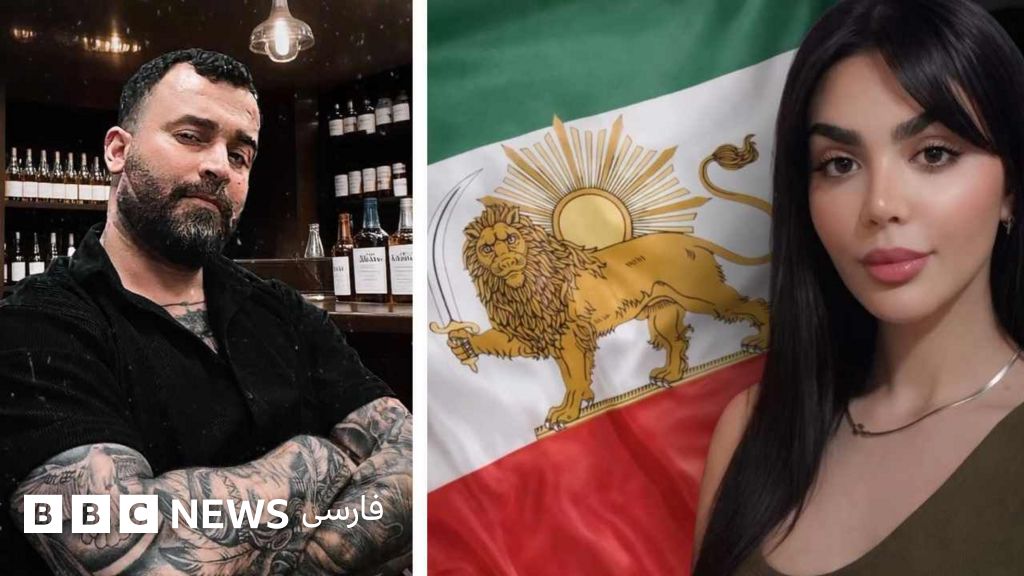
The article traces the fate of two monarchist protesters who came back to Iran after expecting change. Their relatives say both were detained, one was later transferred to prison, and the other died after self-immolating following alleged beatings and interrogation.
Two people thought going back home would help them be part of change. Instead, one was jailed and the other was hurt so badly after being held that he died. It is like walking back into a house expecting a welcome and finding a locked door and a trap instead.
Analysis
What the report says
BBC Persian says the aftermath of the anti-government protests remains visible in Iran, including the treatment of people who returned from abroad after believing political change was close. The report focuses on two monarchist protesters: Ehshan Rezapour, who lived in Germany, and Bahareh Soltani, who lived in the Kurdistan Region of Iraq.
According to relatives quoted by BBC Persian, both returned to Iran and were detained during a period marked by war and an internet shutdown. The family members allege that both were interrogated and tortured. In Rezapour’s case, the article says his passport was taken at the airport, he was summoned to a safe house near Enghelab Square, and he was later beaten and questioned again after being detained.
Ehshan Rezapour’s case
The report says Rezapour had lived in Germany for years and worked in a restaurant. Relatives describe him as deeply shaken by the deaths of friends and acquaintances during the protests. They say he returned despite warnings, hoping the political situation was changing. After repeated interrogations and violence, he feared being called back and abused again. BBC Persian says he later set himself on fire in the street and died from burn injuries. The outlet also says it reviewed images showing injuries and bruises that match the family’s account.
Bahareh Soltani’s case
The article says Soltani was arrested in Tehran and then transferred to Urmia prison. Beyond that, the report does not provide the same level of detail as Rezapour’s case, but it presents her detention as part of the same wider pattern of pressure on returning protesters.
The piece’s broader point is that the crackdown on the protests continued to shape people’s lives long after the street demonstrations faded, including for those who thought returning home would be safe or politically meaningful.
Key points
- BBC Persian says two monarchist protesters returned to Iran after believing political change was near.
- Relatives allege that both were detained and tortured after returning during a period of war and internet disruption.
- Ehshan Rezapour, who lived in Germany, was reportedly beaten, re-questioned, and later died after self-immolating.
- Bahareh Soltani was arrested in Tehran and transferred to Urmia prison.
- The report portrays the cases as part of the continuing fallout from the 2022 protest crackdown.
Public reporting on these cases could help keep attention on the treatment of returning dissidents and make it harder for the allegations to be ignored. If the families’ accounts are examined, the cases could also push for clearer answers about detention and interrogation practices.
The article suggests that politically active returnees may face detention, pressure, and abuse rather than safety. If that pattern continues, more exiles may avoid returning, and those who do could face the same risks of interrogation, imprisonment, or worse.