From Muharram to July 4: Why is Ali Khamenei’s funeral schedule being announced now?
Iran’s leadership has finally announced funeral dates and locations for Ali Khamenei after more than 100 days of delay. The timing appears tied to security concerns, political messaging, and the symbolism of Muharram.
Intelligence analysis by GPT-5.4 Mini
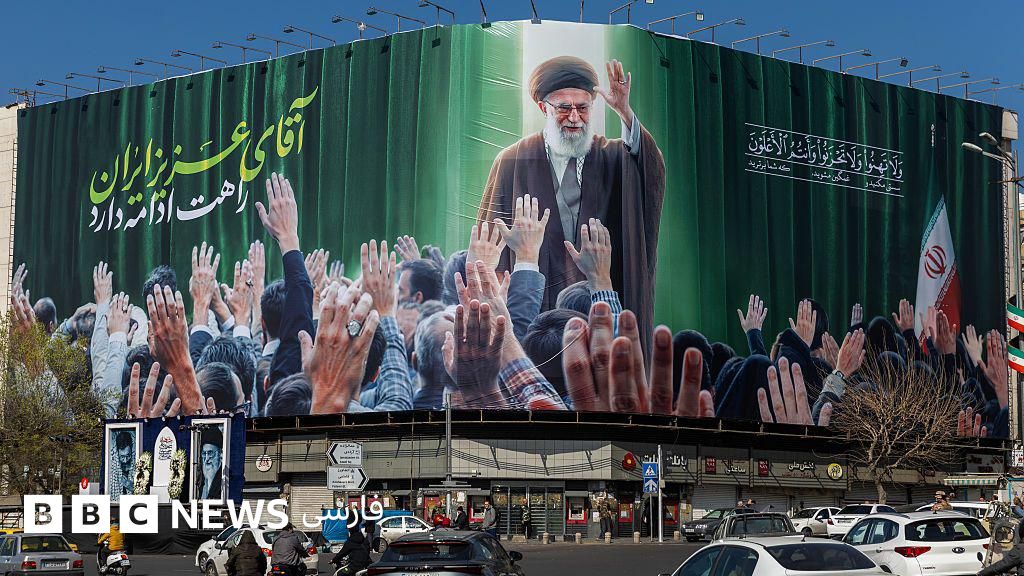
The article argues that the long delay in announcing Ali Khamenei’s burial was shaped by security fears and political calculations. By choosing Muharram and staging a massive, multi-city funeral, Iran appears to be trying to project stability, legitimacy, and continuity after his death.
Iran is planning a very big goodbye ceremony for its former leader after waiting a long time to announce it. The article says the timing is not just about a funeral, but also about showing strength, like staging a huge parade to prove the house is still standing.
Analysis
Why the delay mattered
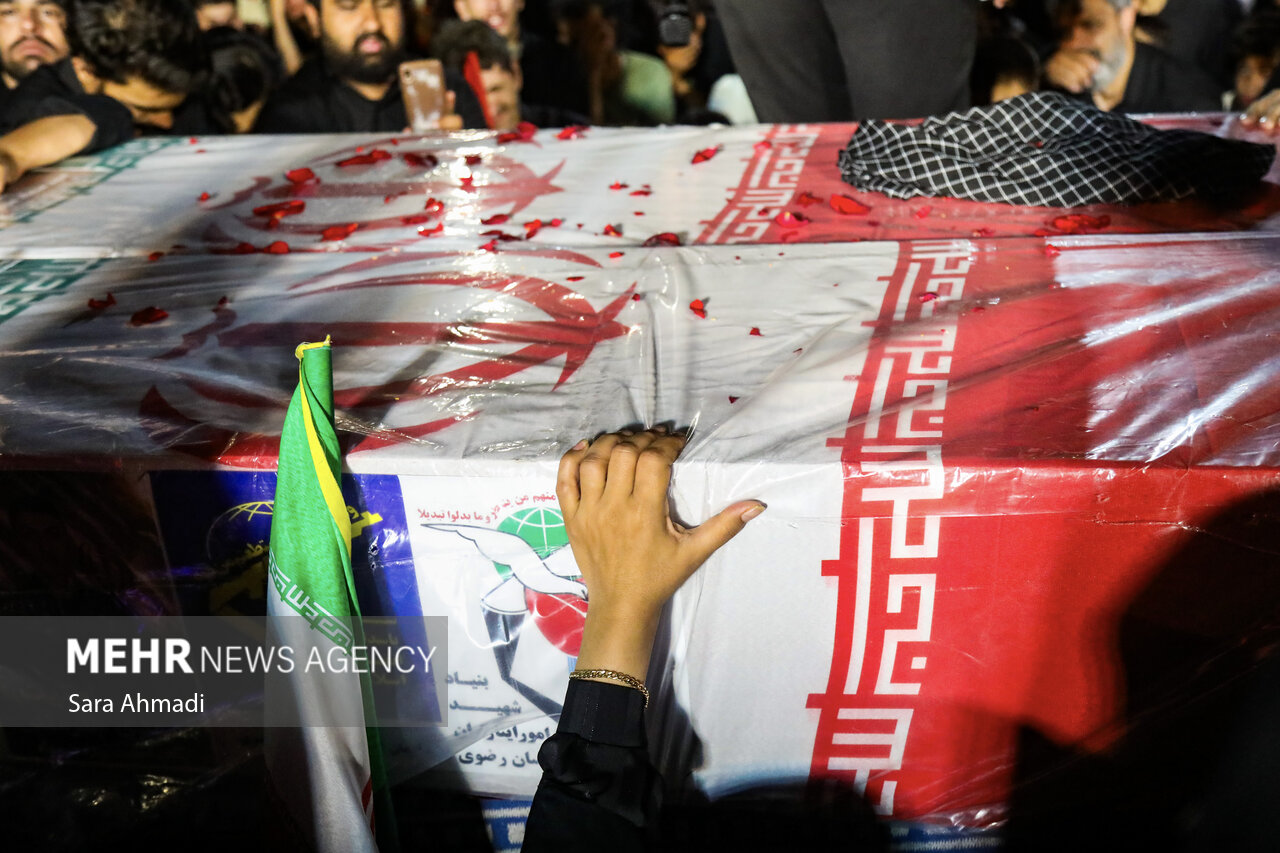
The article says the office overseeing Ali Khamenei’s legacy has now announced the dates for his farewell, funeral procession, and burial in Tehran, Qom, and Mashhad, more than 100 days after he was killed in a U.S.-Israeli strike on his workplace. Until this latest notice, only a few limited statements had been issued, which fueled questions about when and how the ceremony would happen.
Security and politics
According to the piece, the delay likely reflected security concerns and fears that war could restart. It also suggests that recent talk of a possible U.S.-Iran understanding may have made officials more comfortable setting a date. The article points to the funeral of Hassan Nasrallah as a precedent for a delayed burial under tense conditions.
Why Muharram matters
The article emphasizes that choosing Muharram is politically loaded. Muharram is the most important ritual period in Shiite memory, and the Islamic Republic has long tied its legitimacy to themes of Ashura, martyrdom, sacrifice, and continuity. Holding the funeral in that atmosphere gives officials a ready-made religious frame for the death.
Succession and image management
The report argues that the ceremony is meant to present the transfer of power as orderly and crisis-free. It may also bolster the standing of Mojtaba Khamenei, who is described as the new leader, even though he has not appeared publicly. Officials are reportedly preparing for attendance in the millions, turning the event into a public display of support for the system rather than a private burial.
Unanswered question
One major gap remains: no official details have been released about whether Ali Khamenei left a will, even though more than 100 days have passed since his death.
Key points
- Iran has announced funeral dates for Ali Khamenei after more than 100 days of delay.
- The article says security fears and the risk of renewed war likely contributed to the postponement.
- Officials appear to want the ceremony to project continuity, legitimacy, and massive public support.
- Muharram gives the government a powerful religious frame tied to martyrdom and sacrifice.
- The article says questions remain about whether Khamenei left a will.
If the ceremony goes ahead as planned, officials may use it to show that the state can manage a major transition without chaos. A large, orderly turnout could help the leadership present an image of continuity and public backing.
The long delay and security concerns suggest the event could still be vulnerable to disruption or read as a sign of weakness. The lack of clarity around a will and the future balance of power may also keep speculation and political uncertainty alive.