From Succession to No Word of a Will: How 100 Days Without Ali Khamenei Unfolded
The article examines the political fallout after Ali Khamenei’s death and the uncertainty around succession, burial, and any written will.
Intelligence analysis by GPT-5.4 Mini
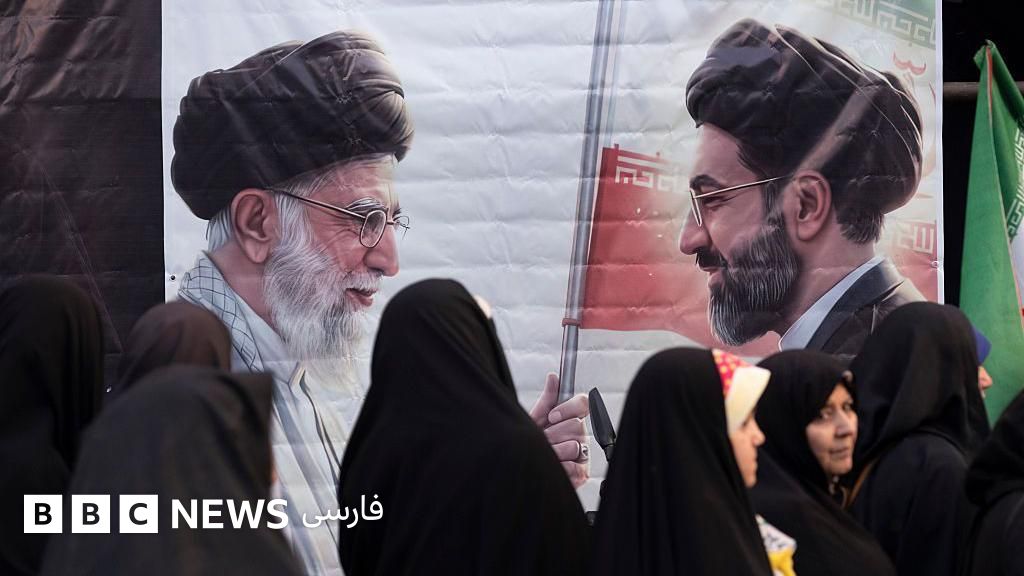
BBC Persian frames the 100 days after Ali Khamenei’s death as more than a leadership vacuum. It argues the real test is whether the Islamic Republic can keep functioning without the leader who held its institutions together for nearly four decades.
The article says Iran’s ruler was like the main gear in a big machine. Now that gear is gone, people are watching to see if the machine can keep running, or if the parts start to wobble.
Analysis
A leadership system built around one man
The article argues that Ali Khamenei was not just Iran’s top official but the central link connecting political, security, and military institutions. Over nearly four decades, he built a system designed to speak with one voice and manage transfer of power at low cost.
The shock after his death
According to the piece, his sudden removal, alongside the deaths of senior military and security figures in two wars, disrupted plans that had been carefully laid out. What first looked like a security shock is now presented as a structural crisis: the Islamic Republic is being forced to answer whether it can reproduce the center of gravity that Khamenei embodied.
The unanswered will question
The article says no official will has been published, despite expectations that such a long-serving leader would have left a roadmap for the post-Khamenei era. It contrasts this with Ruhollah Khomeini, whose political-religious will became public and was treated as a defining statement for the system. In Khamenei’s case, the article suggests that the real “will” may be the power architecture he left behind rather than a written text.
Mojtaba Khamenei and the succession test
The story also focuses on Mojtaba Khamenei, who is described as having taken the leadership mantle at age 56 under wartime conditions and amid internal crisis. The article questions whether the new arrangement is truly stable or whether the system is still struggling to hold together. The core issue is not only who succeeds Khamenei, but whether a structure built around personal authority can survive without its architect.
Key points
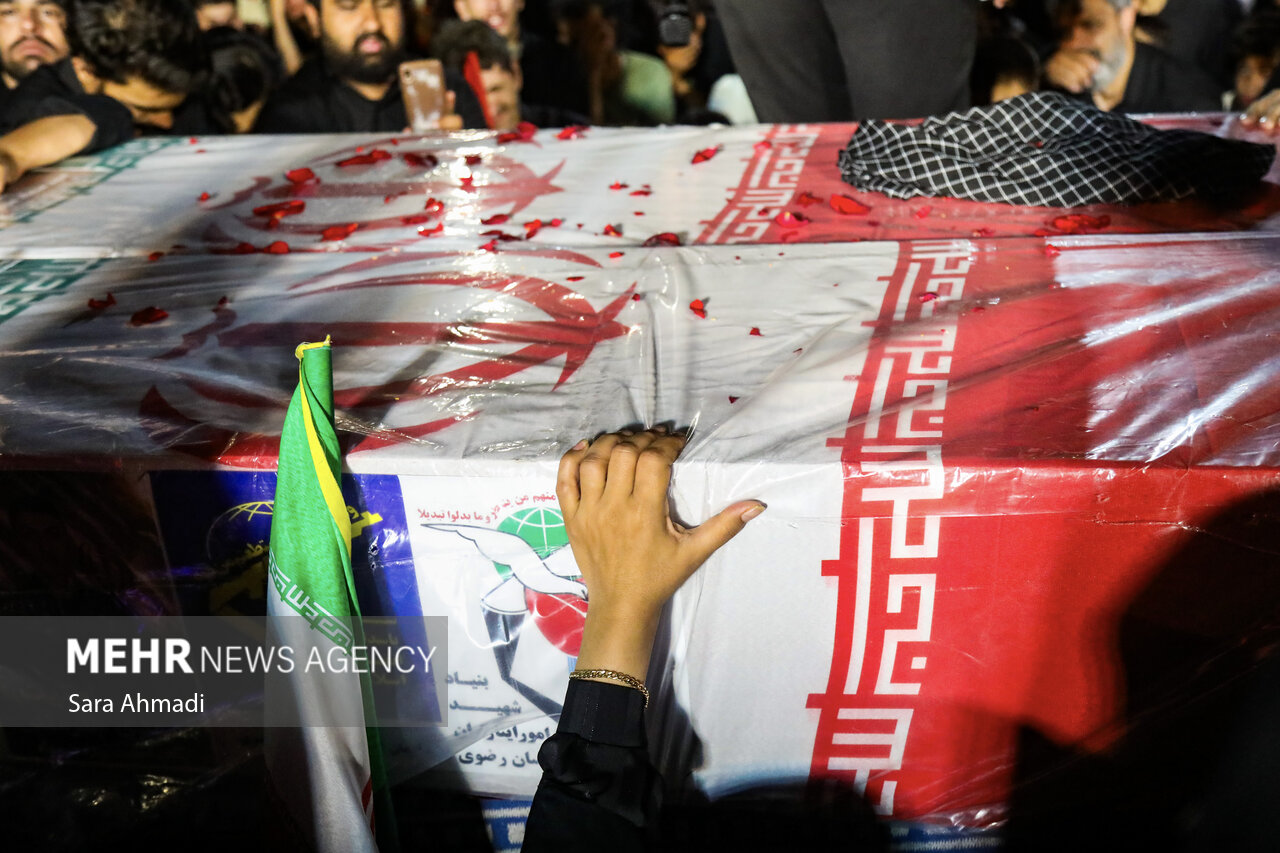
- The article says 100 days have passed since Ali Khamenei’s death, but his burial still has not been clearly scheduled.
- It argues that Khamenei had spent decades building a tightly connected network of institutions and loyal figures around himself.
- The piece frames the real issue as whether the Islamic Republic can survive without the leader who served as its main political anchor.
- It questions whether Mojtaba Khamenei can stabilize the system amid war, legitimacy problems, and internal competition.
- It says the most important unanswered question is not only who succeeds Khamenei, but whether his political structure can outlive him.
If the succession process becomes clearer and the ruling institutions accept a single center of authority, the state could regain some stability. That would reduce uncertainty around decision-making and lower the risk of visible splits inside the system.
If the leadership transition remains unclear, the article suggests the result could be deeper internal rivalry and more strain on the system’s legitimacy. Ongoing uncertainty over burial, succession, and war could keep Iran’s power structure under pressure.