From tourism to power generation and productivity, Europe feels economic cost of heatwaves
Europe's scorching summer is shaving billions off GDP across the continent, with economists at Triodos warning €180bn could be wiped from EU output. France, Italy and Spain face the steepest hits.
Intelligence analysis by Llama
A continent-wide heatwave is disrupting power generation, freight and tourism across Europe. Triodos estimates up to €180bn wiped from EU GDP, with France's nuclear-heavy grid and Italy's tourism-and-agriculture economy among the worst exposed.
When it gets really hot, rivers dry up, power plants stop working, and trucks can't move food and fuel. That means shops and factories make less money. Scientists say Europe's heatwaves this summer could cost the continent €180 billion, like losing a huge pile of coins.
Analysis
Chooz and the 1.4-point drag on France
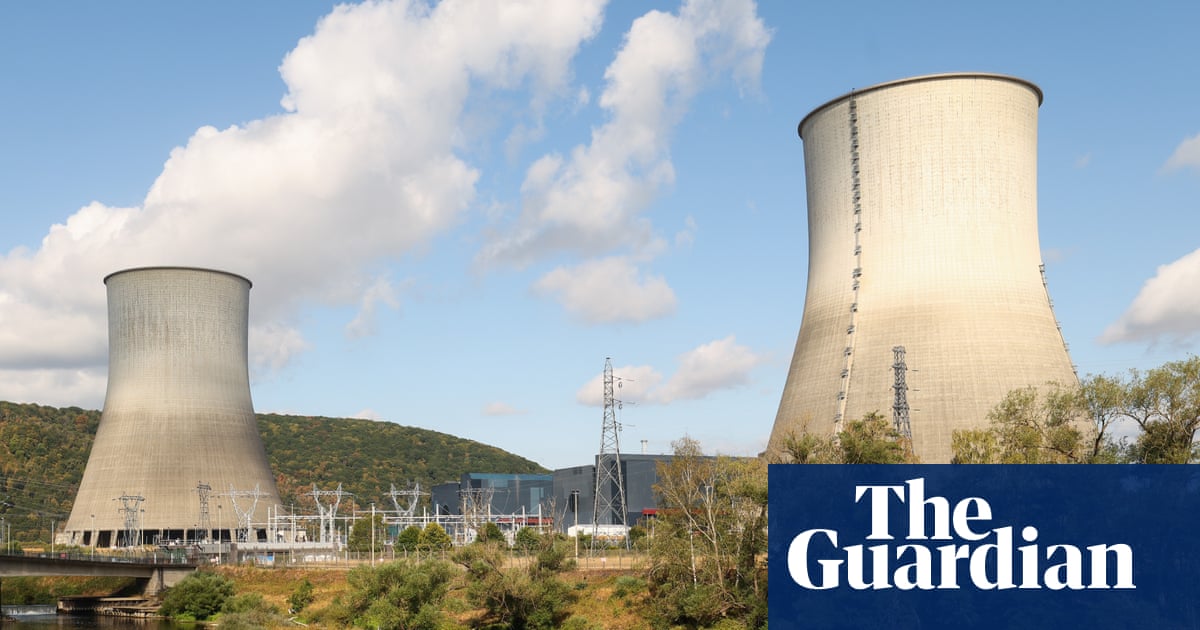
France's nuclear-heavy grid is the single most striking vulnerability in this story. Because more than two-thirds of French electricity comes from nuclear, the fleet's dependence on river water for cooling turns a heatwave into a power-generation crisis. The Chooz plant in northern France was shut down as the Meuse fell, and on Friday up to 15% of the country's nuclear estate was expected to be offline. Triodos estimates France could lose 1.4 percentage points of GDP, enough to push the economy into reverse, on top of Paris already paying its highest borrowing costs in 15 years. The compounding effect of a climate shock layered onto a fiscal-stress backdrop is what makes the French numbers the most worrying in the report.
Kaub and the Rhine bottleneck
Germany's exposure is less about power plants and more about logistics. The Rhine, which carries the bulk of the country's inland waterway freight including coal, crude oil, gas and refined products, has dropped below critical levels near Kaub west of Frankfurt, forcing barges to lighten loads and stalling traffic. Wolfgang Grosse Entrup of the VCI chemical industry association told Reuters that "alarm bells are ringing loudly." That warning lands in a sector already squeezed by cut-price Chinese competition, meaning the same firms absorbing climate-related logistics costs are also the ones with the thinnest margins. Triodos still pegs Germany's GDP hit below one percentage point, but the supply-chain story is the kind of disruption that propagates slowly through industrial output rather than disappearing with the weather.
275,000 hectares and Spain's tourism resilience
Spain presents the counterintuitive case of the summer. Almost 275,000 hectares have been damaged by wildfires according to the EU's Copernicus monitoring system, yet Oxford Economics finds that non-resident credit card spending in the affected regions showed no clear disruption. Residents fled during evacuations but spending returned to trend within days of the national emergency being lifted. Triodos still expects the heat to knock almost a full percentage point off the European Commission's 2.8% growth forecast, because 47 excessively hot days drag on worker productivity. Italy, with the EU's largest hotel stock and an agricultural sector that Coldiretti says has lost €20bn over four years to climate impacts, ranks second-hardest hit in Triodos's country league table.
Key points
- Triodos economists estimate the heatwaves could wipe €180bn off EU GDP
- France faces a 1.4-percentage-point GDP hit as up to 15% of its nuclear fleet went offline due to high river temperatures
- Rhine water levels near Kaub have fallen below critical thresholds, stalling German freight traffic on coal, crude oil, gas and refined products
- Spain's wildfires damaged almost 275,000 hectares but non-resident tourism spending showed no clear disruption, according to Oxford Economics
- Italy ranks second-hardest hit in Triodos's analysis, with agricultural association Coldiretti claiming €20bn in climate-related losses over four years
If temperatures normalise in late summer, French nuclear output can resume quickly and Rhine barge traffic can recover as water levels rise, limiting the damage to a one-quarter shock. Investment in grid resilience, cooling technology and river-based logistics could also turn this summer's disruption into a policy catalyst that strengthens European infrastructure over the medium term.
If heatwaves recur in successive summers, structural damage to agricultural output and tourism demand could compound, particularly in Italy and Spain. Persistent river-level disruption would also force deeper restructuring of German industrial supply chains at a time when the sector is already losing ground to Chinese competition, while France's fiscal position leaves little room to absorb repeated climate-driven GDP shocks.
Market signals
- CAC Triodos estimates France could lose 1.4 percentage points of GDP from the heatwaves, with nuclear output disruptions hitting the country's industrial-heavy index.
- DAX Rhine freight disruption is squeezing German chemicals and refining supply chains already under Chinese price pressure, per Oxford Economics analysis cited in the article.
- XAU France's fiscal strain combined with climate-driven growth shocks supports safe-haven demand for gold, per the article's framing of Paris paying its highest borrowing costs in 15 years.
AI-generated analysis of potential market relevance. Not financial advice.