From Waste Management to Material Cycle Management: Mobarakeh Steel’s Path in the Circular Economy
Mobarakeh Steel is advancing towards material cycle management, where scrap returns to production and slag is converted into infrastructure.
Intelligence analysis by Qwen 2.5 (3B)
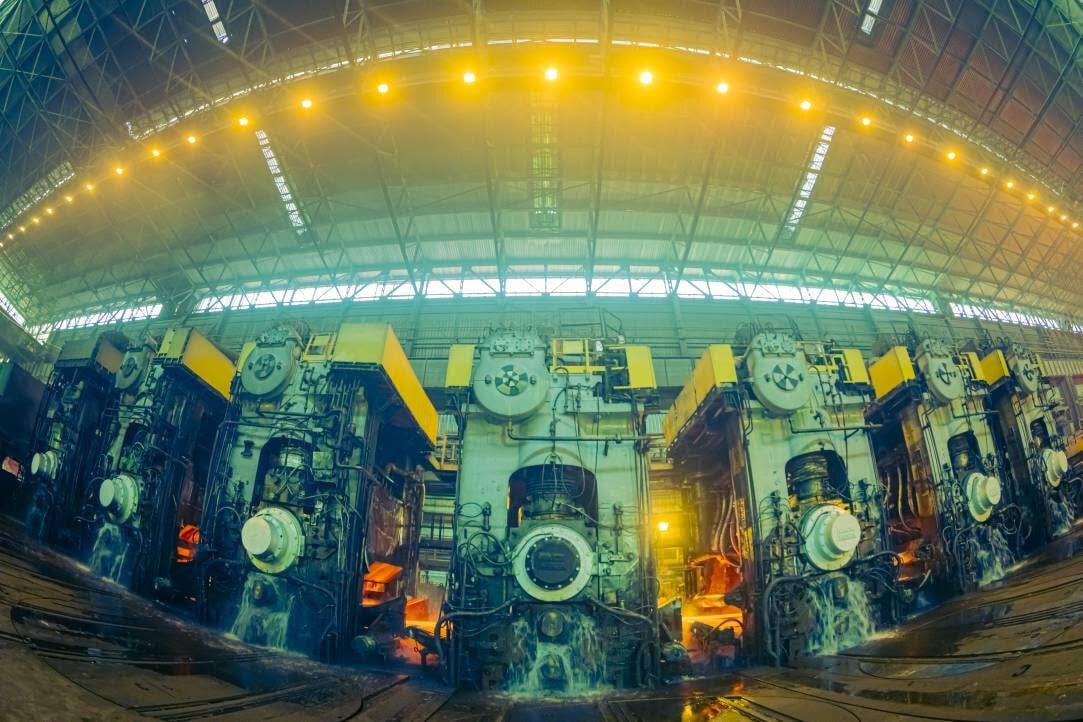
Mobarakeh Steel is transforming waste streams into valuable resources through a circular economy approach, reducing environmental impact and increasing resource efficiency.
Imagine you have a toy factory that makes cars. Sometimes the leftover parts are called 'waste'. But at Mobarakeh Steel, they take these leftovers and turn them back into new materials to make more things. It's like giving old toys a second life!
Analysis
Material Identification
In the steel complex, identifying and classifying different types of waste streams is crucial. Mobarakeh Steel has identified approximately 300 types of operational and non-operational waste.
Waste Atlas Development
Developing a comprehensive Waste Atlas for Mobarakeh Steel is essential to document technical knowledge related to these materials. This atlas prevents organizational memory loss and enables structured decision-making for future generations.
Material Data Integration
The development of a Waste Processing Management Dashboard consolidates material streams into a unified platform, allowing data visibility from scrap arrival to sales and inventory management. This system helps identify which processes require optimization and what outputs can find new customers within the industrial supply chain.
Tracking and Visibility
Centralizing waste data through the Waste Processing Management Dashboard creates a bridge between material data and strategic decisions. It enables predictive analytics and the utilization of AI for more accurate waste identification and sorting.
Predictive Analytics
The unified platform facilitates the use of technologies like artificial intelligence to improve waste identification and sorting, ensuring materials are tracked throughout their entire lifecycle.
Material Reuse and Recycling
Mobarakeh Steel's approach extends beyond just returning scrap; it also involves utilizing slag for civil engineering applications. For instance, processed slag from Mobarakeh Steel has been incorporated into asphalt production for the city’s 4th traffic ring road.
Key points
- Mobarakeh Steel is developing a comprehensive Waste Atlas to document technical knowledge related to waste streams
- The company has identified approximately 300 types of operational and non-operational waste streams in its steel complex
- A unified platform for material data helps identify which processes require optimization and what outputs can find new customers within the industrial supply chain
If this approach is successful, it could inspire other industries to reduce waste and improve their environmental impact.
However, there may be challenges in implementing such an extensive recycling system, including the need for proper infrastructure and public acceptance of recycled materials.