From Yarrahi in Prison to Qeysar in Tehran: Music and Iran's War Narrative
Iranian officials used concerts and performances to promote their version of the war, even as dissenting musicians remained under pressure.
Intelligence analysis by GPT-5.4 Mini
The article says Iran’s official and pro-government cultural institutions turned music into a wartime messaging tool, contrasting public concerts for favored performers with the punishment of artists who opposed the state. It frames this as an effort to present a softer, freer image of the Islamic Republic while real restrictions on artists, especially women, remain in place.
The article says Iran’s leaders are using music like a billboard to show they are friendly and open, while still punishing singers who criticize them. It is like letting one student sing on stage to prove the school is fair, while other students are still not allowed to sing.
Analysis
What happened
BBC Persian says the recent war involving Iran, the United States, and Israel affected not only politics and security but also culture inside Iran. According to the article, official institutions and pro-government supporters used cultural events, concerts, slogans, speeches, and even weapons-training classes to push their own wartime story.
One notable example was the public screening of a concert by Lebanese singer Julia Boutros at a nighttime gathering in Tehran’s Bagh-e Ferdows. The article emphasizes the contradiction: female solo singing is banned in Iran, and women singers and musicians have faced major restrictions since the 1979 revolution.
The state’s cultural message
Mandana Khazraei, a singer living in the United States, tells BBC Persian that the government appears to be trying to present a softer and more open image after the war. In her view, highlighting selected artists and broadcasting music performances in official media is part of a public-relations effort meant to say, in effect, that art and music are free in Iran.
The article argues that this image is selective. Khazraei says real freedom should be judged by the everyday status of artists, especially women, rather than by a few highly staged events.
Artists under pressure
The story contrasts those spectacles with the treatment of dissenting musicians. It cites Mehdi Yarrahi, who was arrested and later sentenced to prison and 74 lashes after releasing a song supporting the Mahsa movement. It also mentions Shervin Hajipour, whose song “Baraye” won a Grammy for best song for social change but still led to a case against him, and Toomaj Salehi, who has been imprisoned twice over protest songs.
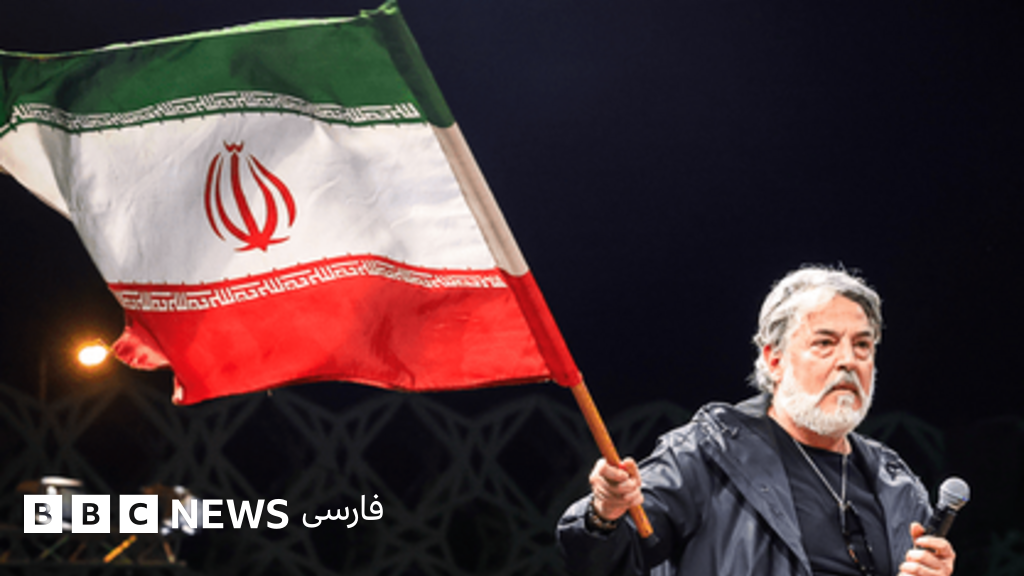
The article suggests that officials are willing to relax old boundaries for artists who support the state’s message. It points to singer Qeysar, whose performance at a Ghadeer celebration in Tehran received wide state-media coverage, as another example of that selective openness.
Key points
- BBC Persian says Iran used concerts and cultural events during the war to promote its own narrative.
- The article highlights a public screening of Julia Boutros’s concert, despite Iran’s ban on female solo singing.
- Mandana Khazraei says these displays look like an effort to present a softer, freer image of the Islamic Republic.
- The story contrasts those events with the punishment of dissenting musicians such as Mehdi Yarrahi, Shervin Hajipour, and Toomaj Salehi.
- It suggests the state is willing to overlook old restrictions when an artist supports its message.
If the public space for music were extended beyond carefully chosen performers, more artists could appear openly and fewer would face punishment for singing. A broader opening could also make the government’s cultural policy look less selective and more credible.
If these concerts stay selective, they may work mainly as propaganda while dissenting artists remain jailed, fined, or silenced. The gap between staged freedom and everyday repression could deepen public distrust, especially among women and politically active musicians.