Fuel Price Hike! Govt Increases Petrol Price by Rs. 5.44, Diesel by Massive Rs. 31.5
The Government of Pakistan has announced a fresh increase in petroleum prices, raising the price of petrol by Rs. 5.44 per litre and high-speed diesel (HSD) by Rs. 31.50 per litre. The revised prices have come into effect immediately.
Intelligence analysis by Llama
The Government of Pakistan has increased the price of petrol by Rs. 5.44 per litre and high-speed diesel by Rs. 31.50 per litre, affecting transportation costs, agriculture, and consumer prices.
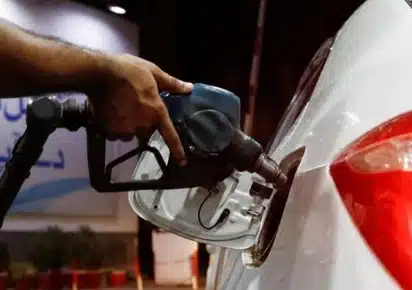
Imagine you're driving a car, and the government suddenly makes the fuel you need to drive more expensive. That's what's happening in Pakistan right now, where the government has raised the price of petrol and diesel. This means that people who drive cars will have to pay more money for fuel, which can be a big problem for those who are already struggling to make ends meet.
Analysis
A $60B Vote of Confidence
The Government of Pakistan's decision to increase fuel prices by Rs. 5.44 per litre for petrol and Rs. 31.50 per litre for high-speed diesel is a significant move that will have far-reaching implications for the country's economy. The increase in diesel prices, in particular, is expected to impact transportation costs, agriculture, and the overall prices of goods and services, as high-speed diesel is widely used in commercial vehicles and heavy machinery.
The Government's decision to raise fuel prices is a vote of confidence in the country's economy, which has been facing significant challenges in recent years. The move is expected to help reduce the country's reliance on imported fuel and promote the use of domestic energy sources. However, it also poses a significant challenge for the country's consumers, who are already facing rising living expenses.
Why Cursor?
The Government's decision to increase fuel prices is a complex issue that requires careful consideration of the potential consequences. On the one hand, the move is expected to help reduce the country's reliance on imported fuel and promote the use of domestic energy sources. On the other hand, it also poses a significant challenge for the country's consumers, who are already facing rising living expenses.
The Government's decision to raise fuel prices is a clear indication of its commitment to reducing the country's reliance on imported fuel and promoting the use of domestic energy sources. However, it also highlights the need for the Government to take a more nuanced approach to addressing the country's energy challenges.
The Road Ahead
The Government's decision to increase fuel prices is a significant move that will have far-reaching implications for the country's economy. The increase in diesel prices, in particular, is expected to impact transportation costs, agriculture, and the overall prices of goods and services. However, the move also poses a significant challenge for the country's consumers, who are already facing rising living expenses.
The Government's decision to raise fuel prices is a clear indication of its commitment to reducing the country's reliance on imported fuel and promoting the use of domestic energy sources. However, it also highlights the need for the Government to take a more nuanced approach to addressing the country's energy challenges.
Key points
- The Government of Pakistan has increased the price of petrol by Rs. 5.44 per litre and high-speed diesel by Rs. 31.50 per litre.
- The increase in diesel prices is expected to impact transportation costs, agriculture, and the overall prices of goods and services.
- The Government's decision to raise fuel prices is a vote of confidence in the country's economy.
- The move is expected to help reduce the country's reliance on imported fuel and promote the use of domestic energy sources.
If the Government's decision to increase fuel prices leads to a reduction in the country's reliance on imported fuel, it could have a positive impact on the country's economy. Additionally, the move could promote the use of domestic energy sources, which could lead to a more sustainable energy future.
The increase in fuel prices could lead to a significant increase in transportation costs, which could have a negative impact on the country's economy. Additionally, the move could lead to a decrease in consumer spending, which could have a ripple effect on the country's overall economic growth.