Fuel Subsidy: Presidency tackles Atiku again, wants clarity on ex-VP’s stance
Nigeria's presidency has again challenged former Vice President Atiku Abubakar's pledge to restore petrol subsidies if elected in 2027. Presidential spokesperson Bayo Onanuga criticized Atiku's shifting stance, arguing the subsidy removal has improved the nation's fiscal …
Intelligence analysis by Gemini 2.5 Flash
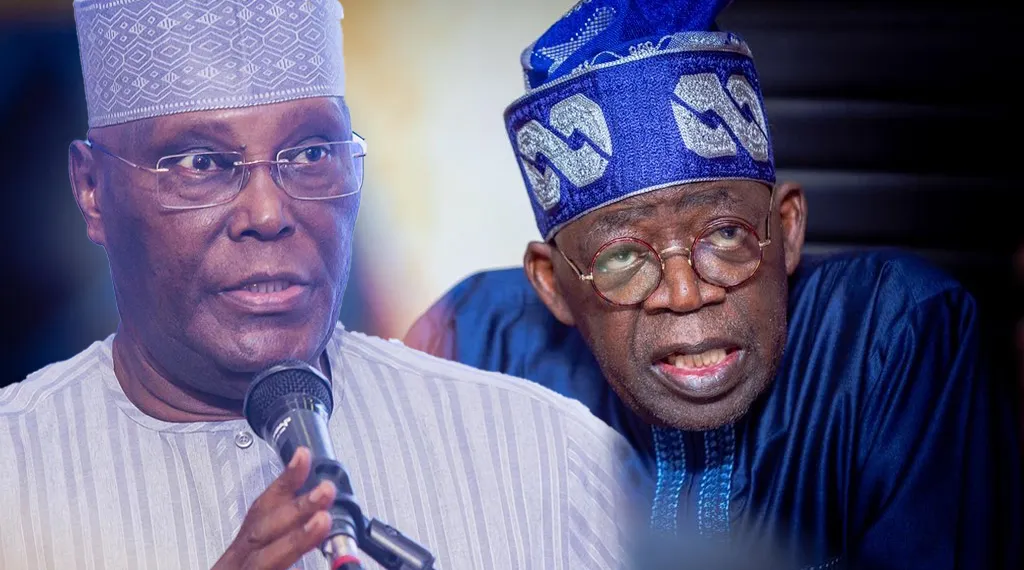
The Nigerian presidency is pressing presidential candidate Atiku Abubakar for clarity on his inconsistent position regarding petrol subsidy removal. While Atiku now promises to reinstate subsidies, the presidency highlights his past support for their removal, asserting that the current administration's policy has stabilized the economy and improved government finances.
Imagine your parents used to pay for a special treat for everyone, but it cost a lot of money. Now, they've stopped paying so they can use that money for important things like fixing roads or building schools. But one person, Atiku, says if he becomes the new leader, he'll bring the treat back, even though he once agreed it was a good idea to stop. The current leaders are asking why he keeps changing his mind.
Analysis
Atiku Abubakar
Atiku Abubakar, a perennial presidential candidate, is once again at the center of Nigeria's contentious fuel subsidy debate. His recent pledge to restore petrol subsidies if elected in 2027 has drawn sharp criticism from the current administration. This promise marks a notable shift from his previous campaign positions, where he had advocated for the removal of such subsidies. The inconsistency in Atiku's stance raises questions about his long-term economic vision and political strategy. Critics argue that his current position might be a populist move aimed at garnering support, rather than a well-considered policy proposal. His history of seeking the presidency across multiple election cycles since 1993 underscores the political maneuvering often associated with key economic issues in Nigeria.
Bayo Onanuga
Presidential spokesperson Bayo Onanuga has been vocal in challenging Atiku Abubakar's latest pronouncement on fuel subsidies. Onanuga explicitly stated that Atiku's position either demonstrates a fundamental misunderstanding of the policy's implications or is a deliberate attempt to politicize the issue. This direct confrontation highlights the Tinubu administration's commitment to its subsidy removal policy. Onanuga's remarks serve to defend the current government's economic decisions and to expose what it perceives as political opportunism. By questioning Atiku's clarity and consistency, the presidency aims to reinforce its narrative that the subsidy removal was a necessary and beneficial reform. His statement on Wednesday underscored the administration's firm stance against any reversal of the policy.
Fuel Subsidy Removal
The removal of petrol subsidies by the Tinubu administration has been a cornerstone of its economic reform agenda, aimed at freeing up significant government funds. According to presidential spokesperson Bayo Onanuga, this policy decision has yielded substantial positive outcomes for Nigeria's economy. He asserts that the removal has "significantly improved the fiscal position of the three tiers of government." Furthermore, Onanuga emphasized that the policy has been instrumental in helping to "stabilise the macroeconomic environment." This suggests that the government views the subsidy removal as a critical step towards achieving broader economic stability and sustainability. The debate surrounding this policy continues to be a central theme in Nigerian politics, with profound implications for public finances and the cost of living.
Key points
- Nigeria's presidency is challenging Atiku Abubakar's pledge to restore petrol subsidies.
- Atiku, a presidential candidate, has previously supported subsidy removal in past campaigns.
- Presidential spokesperson Bayo Onanuga accused Atiku of lacking policy understanding or playing politics.
- Onanuga stated that subsidy removal has improved government fiscal positions and macroeconomic stability.
- The debate highlights a significant policy difference ahead of the 2027 presidential election.
If the current administration's fuel subsidy removal continues to stabilize the macroeconomic environment and improve government finances, Nigeria could see sustained economic growth and increased investment in critical sectors. This fiscal discipline could lead to better public services and reduced reliance on borrowing.
The ongoing political debate over fuel subsidies could create uncertainty, potentially undermining investor confidence and public trust in long-term economic policies. If Atiku's pledge gains significant traction, it could lead to a reversal of reforms, straining government finances and potentially reigniting inflationary pressures.