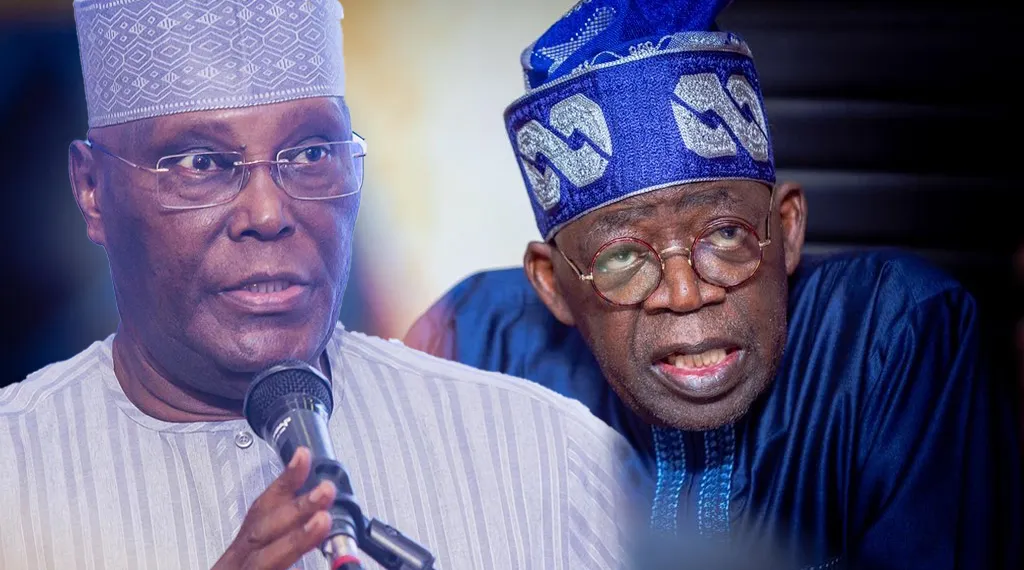
NANS rejects Atiku’s plan to restore fuel subsidy
The National Association of Nigerian Students (NANS) has criticized former Vice President Atiku Abubakar's proposal to reinstate fuel subsidies, calling it a political move that ignores economic realities and unsustainable practices.
Intelligence analysis by Gemini 2.5 Flash Lite
NANS, through its President Akinteye Babatunde, argues that restoring fuel subsidies would recreate the problems that led to their removal, such as excessive consumption, smuggling, and underfunding of critical sectors. They advocate for the effective deployment of saved resources into education, healthcare, and infrastructure instead of returning to the old subsidy regime.
Imagine Nigeria's government used to give everyone a discount on gas, like a coupon. But it cost too much money and some people used too many coupons, making it unfair. Now, the government took the coupons away to save money for schools and hospitals. A politician wants to bring the coupons back, but a student group says that's a bad idea because it will cost too much again and hurt schools.
Analysis
Atiku Abubakar's Subsidy Proposal
Former Vice President Atiku Abubakar has publicly stated his intention to restore fuel subsidies if elected president in 2027. This stance has generated considerable debate, particularly as it contrasts with the current administration's policy of subsidy removal. Abubakar's camp has clarified that his position is genuine, aiming to provide relief to Nigerians facing high living costs. They suggest that a future intervention would focus on domestic production to reduce costs, rather than a temporary phase-out as previously suggested by an aide. This proposal positions Abubakar as a candidate offering immediate economic relief, a strategy often employed in the lead-up to elections, especially when public sentiment is sensitive to rising costs.
National Association of Nigerian Students' Stance
The National Association of Nigerian Students (NANS), led by President Akinteye Babatunde, has strongly opposed Abubakar's plan. NANS views the proposal not as a viable economic solution but as a politically motivated response to current economic hardships. Their argument is rooted in the belief that the old subsidy system was inherently unsustainable, consuming vast sums of money, disproportionately benefiting heavy fuel users, encouraging smuggling, and diverting funds from essential public services. NANS emphasizes that the removal of subsidies, while causing immediate pain, was a necessary reform. They contend that the success of this reform hinges not on the savings alone, but on the government's effective utilization of these saved resources for the betterment of citizens.
Economic Implications and Alternatives
The debate over fuel subsidies in Nigeria is a recurring one, deeply intertwined with the nation's economic stability and public welfare. The removal of subsidies in May 2023 by President Bola Tinubu led to a significant increase in fuel prices, impacting transportation, food, and general living costs. While the government defends the removal as crucial for eliminating fiscal burdens and enabling investment in critical sectors, the immediate hardship has fueled public discontent. NANS proposes that the resources saved from subsidy removal should be strategically channeled into vital areas such as education, healthcare, infrastructure, and agriculture. They argue that this approach represents a more productive sacrifice for Nigerians, ultimately leading to a stronger and more sustainable economy, rather than a return to a system that burdened the government and left critical sectors underfunded.
Key points
- NANS criticizes Atiku Abubakar's proposal to restore fuel subsidies, deeming it a political tactic.
- The student association argues that reinstating subsidies would revive unsustainable economic issues.
- NANS advocates for using savings from subsidy removal to fund education, healthcare, and infrastructure.
- The debate highlights the tension between immediate economic relief and long-term fiscal sustainability in Nigeria.
- NANS urges political aspirants to focus on sustainable economic policies rather than short-term fixes.
If Nigeria successfully redirects the savings from fuel subsidy removal into critical sectors like education, healthcare, and infrastructure, it could lead to significant long-term improvements in living standards and economic productivity. This would demonstrate that the initial hardship was a worthwhile sacrifice for sustainable national development.
A return to fuel subsidies, as proposed by Atiku Abubakar, could reignite the old problems of unsustainable fiscal burdens, disproportionate benefits to heavy consumers, and increased smuggling. This would likely divert much-needed funds from essential services and hinder Nigeria's progress towards a more stable and diversified economy.