Gaza celebrates World Cup victory of Spanish team they took into their hearts
Palestinians in Gaza celebrated Spain's World Cup win, drawn to the team's public support for Palestinian rights.
Intelligence analysis by GPT-5.4 Mini
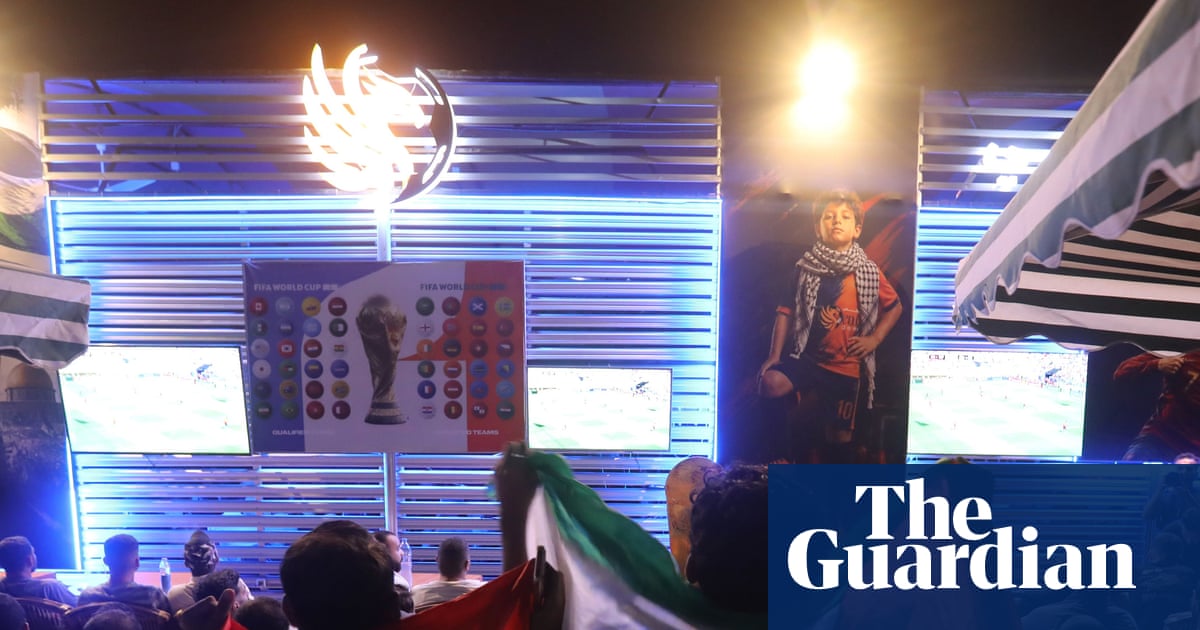
The match became a political and emotional rallying point in Gaza, where fans saw Spain as a team that had stood with them. The celebration unfolded against the backdrop of war, damaged infrastructure, and continuing fear of Israeli strikes.
People in Gaza cheered for Spain like cheering for a friend, because Spain had shown support for Palestinians. It was like rooting for a team that waved back when others turned away.
Analysis
Football as a Stand-In for Solidarity
Spain's World Cup victory mattered in Gaza for reasons that had little to do with tactics or scorelines. The article shows that many Palestinians treated the team as an extension of Spain's public support for Palestinian rights, turning a football final into a symbolic act of recognition.
That kind of emotional investment is not random. When ordinary political channels feel blocked, cultural moments can absorb the weight of national feeling, grievance, and hope. In this case, the Spanish flag became a way to cheer for a team and also to cheer for a political stance.
Why Lamine Yamal Mattered So Much
The article makes clear that Lamine Yamal had become a particularly powerful symbol. Palestinians in Gaza noticed that he brought a Palestinian flag to Barcelona celebrations in May, and that gesture helped make Spain feel personally aligned with their cause.
The Spanish prime minister's public defense of Yamal after criticism from Israel's defence minister only deepened that impression. The episode suggests how quickly a sports figure can become a political flashpoint when a conflict is already shaping public attention far beyond the pitch.
Celebration Under Siege
The celebrations were real, but they were also constrained by the reality of Gaza life. People gathered in cafes and outdoor screenings, while many residents still live in tent camps with limited power and internet after Israeli attacks destroyed homes and infrastructure.
That context matters because it keeps the story from becoming a simple feel-good sports piece. Even joy had limits here: the article says there were no late-night parties because of fear of airstrikes, and it notes that a World Cup screening organizer was killed in an earlier Israeli strike. The win offered a brief release, but it did not suspend the danger surrounding daily life.
Key points
- Gaza residents celebrated Spain's World Cup win as a sign of support for Palestinian rights.
- Many fans had embraced Spain after seeing Spanish players and leaders express solidarity with Palestine.
- Lamine Yamal became a symbol for Palestinian supporters after he carried a Palestinian flag in Barcelona celebrations.
- The celebrations took place under the threat of Israeli attacks and amid widespread destruction in Gaza.
- The article links sports fandom with politics, identity, and survival under war conditions.
If moments like this keep building, cultural support from abroad could strengthen Palestinians' sense that they are not forgotten. Public backing from a major European country could also keep pressure on governments and sports figures to speak more openly about Palestinian rights.
The article also shows how fragile such moments are when war continues around them. Even celebrations can be cut short by fear of airstrikes, destroyed infrastructure, and the loss of people who help communities gather in the first place.