Georgia left off NATO summit partner list as critics decry isolation
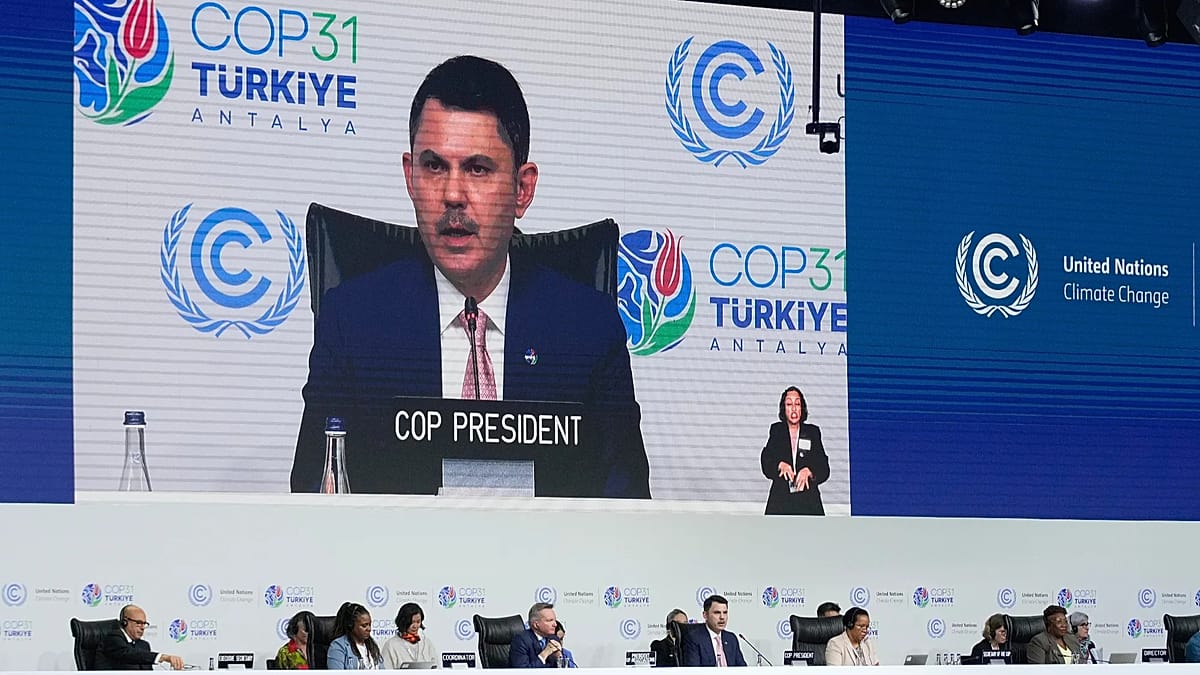
Georgia's government is facing accusations of international isolation after not being invited to the NATO summit in Turkey, the first time a key partner has been excluded from the alliance's agenda.
Intelligence analysis by Llama
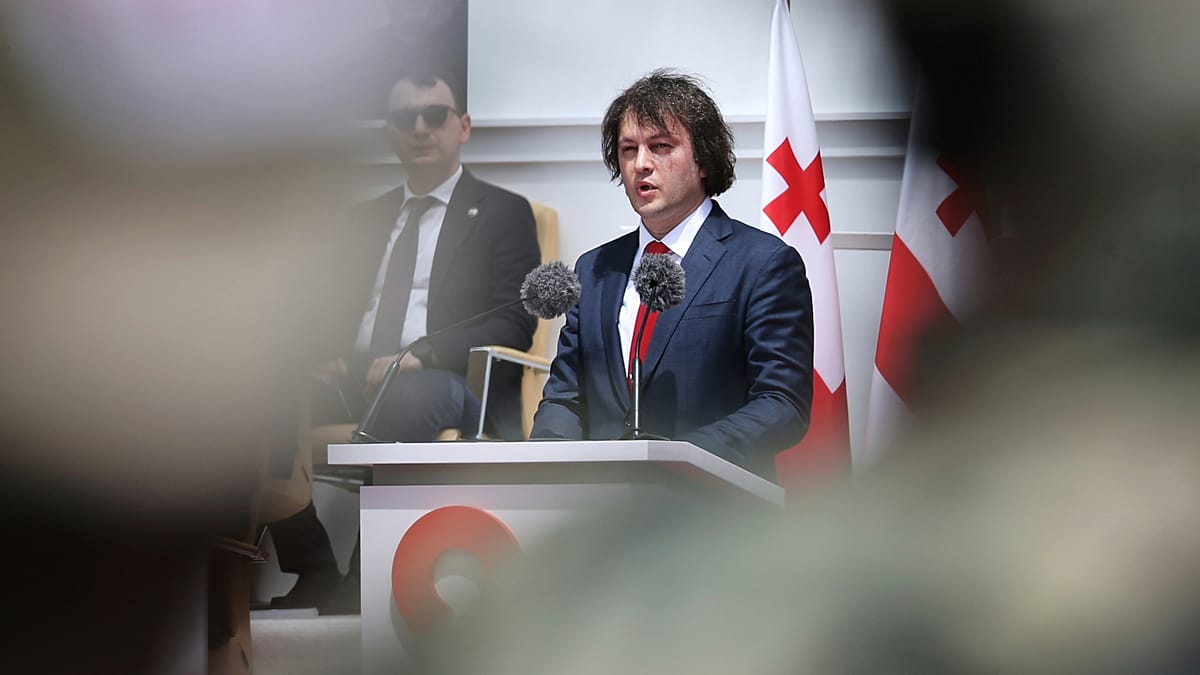
Critics are decrying Georgia's isolation after the country was left off the NATO summit partner list in Turkey. The move has sparked a renewed debate over Georgia's relevance and influence in regional politics and security.
Georgia, a country in the Caucasus region, was not invited to a meeting with other countries that are friends with NATO. This has made some people in Georgia feel like their country is being ignored and not trusted by its friends. Georgia wants to join NATO, but it seems like it's not being taken seriously.
Analysis
A Loss of Trust and Influence
Georgia's absence from the NATO summit has been met with criticism from the country's political and civil society spheres. Critics argue that the move represents a loss of trust and influence for Georgia, particularly in the context of its aspirations to join the alliance. Georgian political analyst Paata Zakareishvili has claimed that the absence of NATO's invitation to its regional security debates represents what he called the loss of trust by Georgia's partners. "Georgia is being ignored. There is a view that it is better not to maintain relations with it because no one knows what information Georgia might pass on to Russia. Georgia is seen as an unreliable, vulnerable, and toxic state," Zakareishvili said.
A History of Isolation
Georgia's exclusion from the NATO summit is not an isolated incident. The country has consistently declared its approach to the EU and NATO as national strategies, but this time Tbilisi was absent from the alliance agenda, prompting a political debate in Georgia over whether the country has lost its political influence or relevance. Georgian Dream MP Irakli Kirtskhalia told the press in Tbilisi that "we have no problem attending the summit, ask the organizers why we are not represented." Georgia's Foreign Ministry replied that Foreign Minister Maka Bochorishvili was going to attend a separate event in Turkey called "Allies in Ankara," but that it was part of the Munich Security Conference, which critics noted was not connected to the NATO summit.
A Future of Uncertainty
Georgia's future in the EU and NATO remains uncertain. The country's relations with Brussels have been strained since the passage of a "foreign influence" law that the bloc described as Russian-inspired and authoritarian. The EU granted Georgia candidate status in December 2023 but halted its membership application process indefinitely and cut financial support last June. After winning the general elections in October 2025, Georgian Prime Minister Irakli Kobakhidze announced that Georgia would pause discussions on its bid to join the EU until 2028 due to what the prime minister described then as "blackmail and manipulation" from some of the bloc's politicians.
Key points
- Georgia was left off the NATO summit partner list in Turkey, sparking criticism from the country's political and civil society spheres.
- Critics argue that the move represents a loss of trust and influence for Georgia, particularly in the context of its aspirations to join the alliance.
- Georgia's relations with the EU have been strained since the passage of a "foreign influence" law, and the country's future in the EU and NATO remains uncertain.
- The country's prime minister has stated that Georgia's path towards EU membership remains steady and irreversible, but the goal of joining the 27-member bloc by 2030 is uncertain.
- Georgia's exclusion from the NATO summit may lead to a prolonged period of international isolation and a loss of influence in regional politics and security.
If Georgia can resolve its issues with the EU and NATO, it may be able to regain its influence and relevance in regional politics and security. The country's prime minister has stated that Georgia's path towards EU membership remains steady and irreversible, and the goal of joining the 27-member bloc by 2030 is both realistic and attainable.
Georgia's exclusion from the NATO summit and its strained relations with the EU may lead to a prolonged period of international isolation and a loss of influence in regional politics and security. The country's future in the EU and NATO remains uncertain, and its relations with Brussels have been strained since the passage of a "foreign influence" law.