Ghalibaf commends volunteer relief group during U.S. aggression
Ghalibaf praised volunteer relief groups for aiding civilians during the recent Iran conflict, saying public participation can help solve major problems.
Intelligence analysis by GPT-5.4 Mini

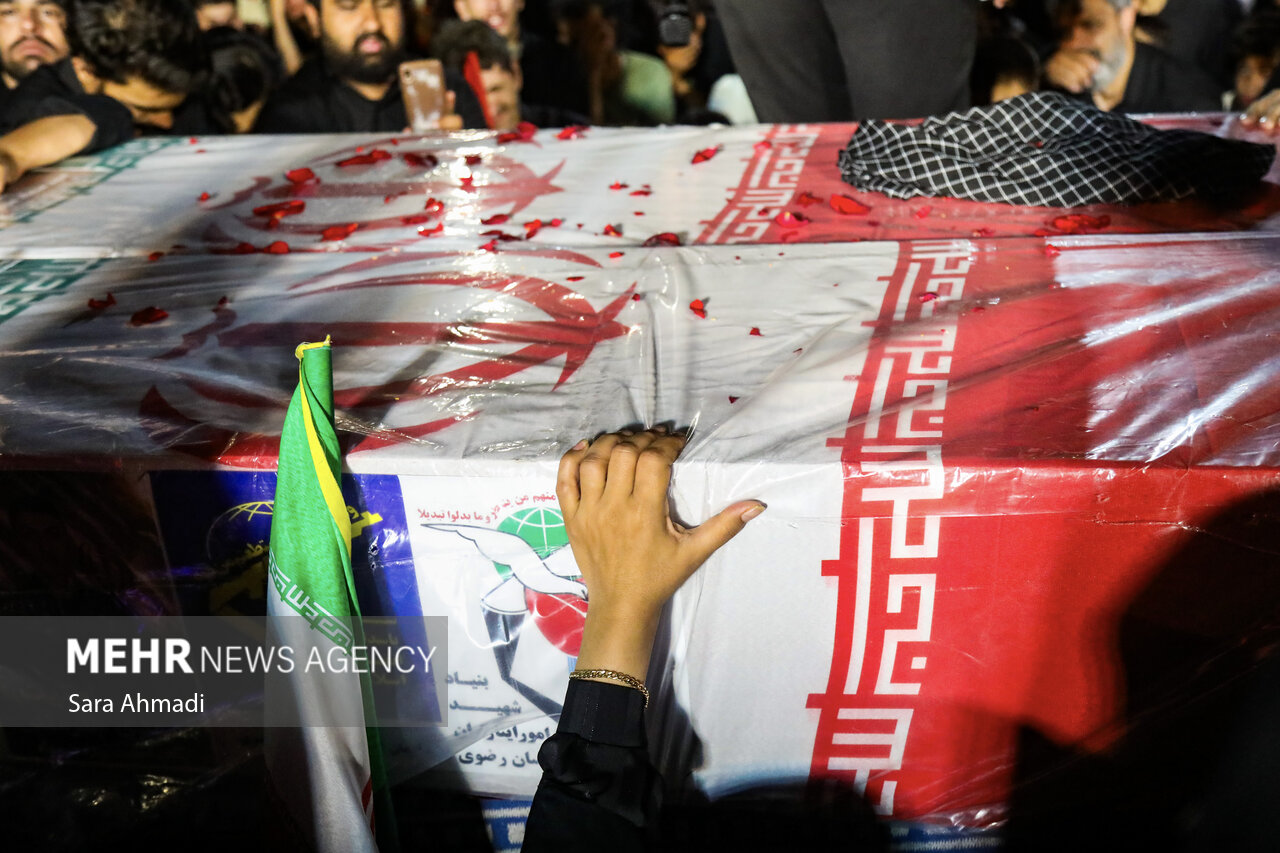
The Parliament speaker used a message to thank volunteer relief groups that helped people during what he described as the recent U.S.-Israeli aggression against Iran. He framed their work as proof that public participation and volunteerism can ease crises when cities come under attack.
Ghalibaf thanked volunteer helpers who rushed in when fighting disrupted city life in Iran. He said they were like neighbors showing up with food, tools, and comfort when a storm hits, except the storm was war.
Analysis
What happened
Parliament Speaker Mohammad Bagher Ghalibaf praised volunteer relief groups for helping civilians during the recent conflict with the U.S. and Israel. According to the report, he had already received accounts of the groups’ activities and later sent a message in response.
How he framed it
Ghalibaf said the episode showed that when people are given room to act, large problems can be addressed. He described the conflict as the “third imposed war” and said that when missile attacks disrupted daily life in cities, volunteer and jihadi groups stepped in to provide aid and relief.
He said these groups worked alongside affected people “regardless of their social background or political preferences,” presenting the response as broad-based and civic rather than partisan.
Why the message matters
The statement does more than thank volunteers. It also reinforces a political message that public participation and local initiative are essential to Iran’s resilience during wartime pressure. By highlighting volunteer groups, Ghalibaf is pointing to a model of crisis response that depends on community action, not only state institutions.
The report does not give details on the size, structure, or specific operations of the relief groups. It also does not describe the extent of the damage from the conflict. Even so, the piece is clear that the leadership wants to spotlight volunteer service as a meaningful part of Iran’s wartime recovery and civilian support network.
Key points
- Ghalibaf praised volunteer relief groups for helping civilians during the recent conflict.
- He said the experience showed that major problems can be solved when people are allowed to act.
- He described the fighting as the “third imposed war” and said missile attacks disrupted daily life in cities.
- The groups were said to help people regardless of social background or political views.
- The report presents volunteerism as an important part of Iran’s crisis response.
If this approach continues, volunteer groups could remain a fast way to help civilians when crises hit. Public praise from top officials may also encourage more people to join relief efforts and strengthen community support networks.
If volunteer aid is leaned on too heavily, it could expose gaps in formal emergency response. The message also keeps the conflict frame front and center, which may harden political tensions instead of easing them.