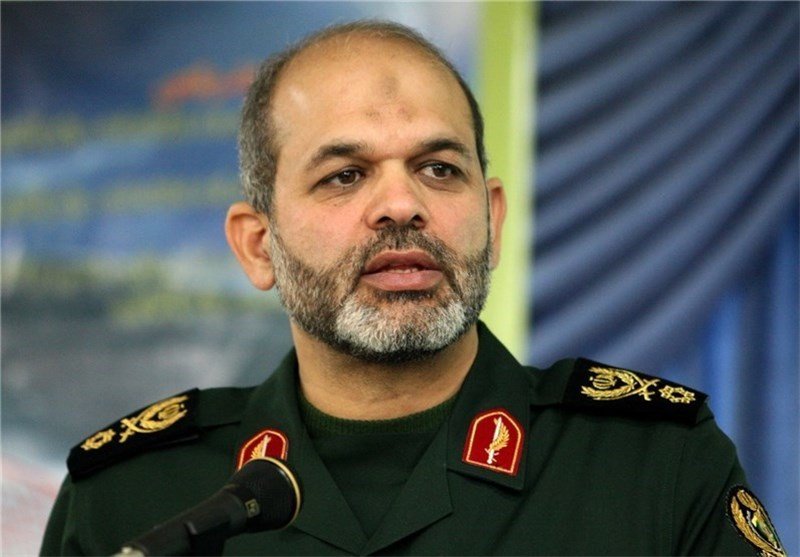
Ghalibaf warns Bessent over US oil reserves, bond yields
Iran's Parliament Speaker Mohammad Bagher Ghalibaf issued a stark warning to US Treasury Secretary Scott Bessent, asserting that declining strategic oil reserves, rising US Treasury yields, and surging oil prices threaten the US economy.
Intelligence analysis by Gemini 2.5 Flash

Ghalibaf's remarks, delivered via X, criticized Bessent's efforts to manage the US Treasury market and highlighted the depletion of the Strategic Petroleum Reserve. This comes amid geopolitical tensions with Iran and disruptions in the Strait of Hormuz, with Ghalibaf suggesting Washington is using rhetoric about Iran to mask its economic vulnerabilities.
Imagine the US has a big piggy bank of oil for emergencies, but they've used a lot of it up, like taking too many cookies from the jar. At the same time, the money they borrow is getting more expensive, and the price of gas is going up. A top Iranian official is telling the US that these problems are making their economy wobbly, and they can't just blame other countries for it.
Analysis
Mohammad Bagher Ghalibaf
Iran's Parliament Speaker, Mohammad Bagher Ghalibaf, delivered a pointed warning to US Treasury Secretary Scott Bessent, directly addressing him on the social media platform X. Ghalibaf's message was framed as a critique of US economic management, specifically citing the rapid depletion of strategic oil reserves, the persistent rise in US Treasury yields, and the upward trajectory of global oil prices. His intervention underscores a broader Iranian narrative that seeks to highlight perceived weaknesses within the US economic and political system, especially in the face of international pressures.
The timing of Ghalibaf's remarks is significant, coinciding with what the article describes as growing pressure on the US administration regarding its Treasury and energy market performance. By publicly challenging a high-ranking US official, Ghalibaf positions Iran as an observer keenly aware of global economic shifts and their potential implications for US stability. His statement, including the provocative phrase "Short harder, champ," reflects a confrontational stance, suggesting that the US is facing self-inflicted economic challenges that it attempts to deflect by focusing on Iran.
Scott Bessent
US Treasury Secretary Scott Bessent is depicted as being under considerable pressure due to his efforts to stabilize the US bond market and manage energy supplies. The article notes Bessent's strategy of pursuing buyback operations in the US Treasury market, particularly involving 10-year bonds, with the aim of lowering long-term yields and reducing borrowing costs. This intervention was reportedly undertaken ahead of midterm elections, indicating a political dimension to his economic maneuvers.
However, these efforts have largely been met with resistance from the bond market, with yields remaining elevated or even increasing, drawing criticism from figures like Stanley Druckenmiller. Concurrently, Bessent faces challenges related to the US Strategic Petroleum Reserve (SPR), which has been drawn down significantly amidst geopolitical tensions with Iran and disruptions in the Strait of Hormuz. The combination of these factors creates a difficult economic and political landscape for Bessent, with Ghalibaf's warning adding to the international scrutiny.
Strait of Hormuz
The Strait of Hormuz plays a critical role in the article's analysis of global oil markets and US energy strategy. The United States has heavily relied on its Strategic Petroleum Reserve (SPR) due to the ongoing conflict with Iran and disruptions in this vital shipping lane. The SPR, stored in underground salt caverns, has reportedly fallen to its lowest levels since the early 1980s, raising concerns about both energy security and the structural integrity of the storage facilities themselves.
The article highlights that while Washington has attempted to use psychological pressure and assurances about reopening southern shipping routes through Hormuz to lower futures prices, market indicators tell a different story. Oman and UAE oil futures, which serve as key gauges for market expectations regarding oil flows through the Strait, have recently surged above $100. This suggests that market participants are pricing in continued risks and supply concerns related to the region, directly contradicting US efforts to stabilize prices and underscoring the geopolitical sensitivity of the Strait of Hormuz.
Key points
- Iran's Parliament Speaker Mohammad Bagher Ghalibaf warned US Treasury Secretary Scott Bessent about the US economy's vulnerability.
- Ghalibaf cited rapidly declining US strategic oil reserves, rising US Treasury yields, and surging oil prices as key threats.
- Bessent's efforts to lower bond yields through buyback operations have largely been ineffective, with yields remaining elevated.
- The US Strategic Petroleum Reserve has fallen to its lowest levels since the early 1980s amid conflict with Iran and Strait of Hormuz disruptions.
- Oman and UAE oil futures, indicators for Strait of Hormuz flows, have risen above $100, contradicting US efforts to lower prices.
The combination of rapidly depleting strategic oil reserves, persistently high US Treasury yields, and surging oil prices could significantly destabilize the US economy, leading to increased borrowing costs and potential energy shortages. This situation, exacerbated by geopolitical tensions, could undermine the US administration's economic policies and global standing.