Reuters analysis confirms US directly hit wedding in Iran
A Reuters analysis of video and images concluded that a US airstrike directly hit a wedding in Iran's Kuhestak, killing five civilians, including children, and wounding nearly 70 others.
Intelligence analysis by Gemini 2.5 Flash

Iranian officials have condemned the US airstrike on a wedding ceremony as a blatant war crime, contrasting it with Iran's adherence to humanitarian principles. The US Vice President acknowledged an investigation into the incident, while weapons experts confirmed the damage pattern was consistent with a direct US munition strike.
Imagine a big party where everyone is celebrating, like a wedding. Suddenly, a powerful explosion happens, and people get hurt or even die, including kids. A news group looked closely at videos and pictures and said it looked like a bomb from the US hit the party directly. Iran is very angry, saying it was a terrible mistake or even on purpose, like a war crime. The US says they are looking into it because they don't mean to hurt regular people, but Iran says this has happened before.
Analysis
The recent Reuters analysis, confirming a direct US airstrike on a wedding in Iran, marks a critical point in the ongoing hostilities between the two nations. The detailed examination of video and images from the scene provides independent verification that the explosion was consistent with a direct hit from an American precision-guided munition. This finding directly challenges the US narrative of avoiding civilian targets and underscores the devastating human cost of military engagements in the region.
Reuters analysis
The Reuters analysis serves as a crucial independent verification of the incident, lending weight to Iran's claims of a deliberate or negligent strike on a civilian gathering. By scrutinizing visual evidence, weapons experts were able to determine that the damage pattern aligned with a direct hit from a US precision-guided munition. This technical assessment provides a factual basis for the accusations of a war crime, moving beyond mere political rhetoric to a forensic examination of the event.
The confirmation from Reuters is particularly significant given the US Vice President JD Vance's admission that Washington is investigating the incident as a "mistake." The discrepancy between a direct hit on a wedding and the US claim of investigating errors highlights a potential gap in operational intelligence or a failure in targeting protocols. Such findings can fuel international calls for transparency and accountability, especially when civilian lives are lost in such a tragic manner.
Kuhestak
The massacre in Kuhestak, Sirik County, Hormozgan Province, resulted in the deaths of five civilians, including four-year-old Amir-Mohammad Karimi and 16-year-old Mohammad Malahi, with nearly 70 wounded, predominantly women and children. This incident has deeply resonated within Iran, with local residents expressing profound grief and anger over the targeting of a joyous occasion. The emotional impact is palpable, as mourners tossed petals over flag-draped coffins, symbolizing the innocence lost.
Iranian Foreign Ministry spokesman Esmaeil Baqaei explicitly labeled the strike as the "true face of the war crime," asserting that the wedding ceremony was "brutally bombed as part of America’s desperate struggle to conceal its failure." This strong condemnation reflects Iran's stance that the attack was not an isolated error but part of a broader pattern of aggression. The incident is framed as a direct violation of moral and humanitarian principles, further solidifying anti-American sentiment within the country.
International Criminal Court
The Iranian Red Crescent Society has formally referred the Sirik attack to the International Criminal Court, citing the civilian nature of the location and the presence of families at a wedding. This move signifies Iran's intent to pursue international legal avenues for accountability, aiming to hold the United States responsible for what it describes as systematic targeting of civilians. Such a referral, while potentially facing jurisdictional challenges, serves to internationalize the issue and pressure global bodies for intervention.
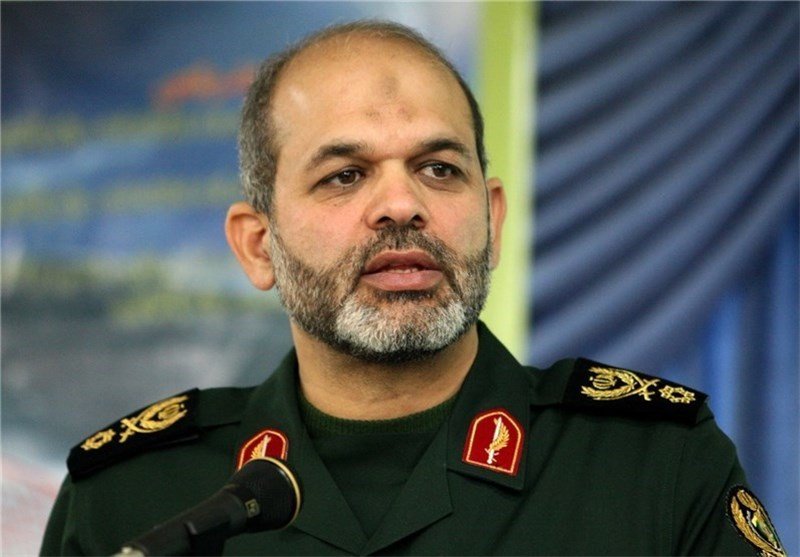
IRGC Commander Ahmad Vahidi's message to the victims' families, promising that the blood of those killed "will never go unanswered," underscores Iran's commitment to retaliation and accountability. He stated that the Islamic Revolution Guards Corps and Iran’s armed forces would continue to guard the sanctity of the martyrs. This rhetoric suggests that Iran views the attack as a deliberate act requiring a firm response, potentially leading to further military actions against American bases in the region, as already indicated by Tehran's retaliatory operations.
Key points
- A Reuters analysis confirmed a US airstrike directly hit a wedding in Kuhestak, Iran.
- The attack resulted in five civilian deaths, including two children, and nearly 70 wounded, mostly women and children.
- Iranian officials condemned the strike as a 'blatant war crime' and vowed retaliation.
- US Vice President JD Vance admitted Washington is investigating the incident as a 'mistake'.
- The Iranian Red Crescent Society has referred the Sirik attack to the International Criminal Court.
The US Vice President's acknowledgment of an investigation into the incident, with a stated aim to 'learn from mistakes,' could, in an optimistic scenario, lead to a review of targeting protocols and a reduction in civilian casualties in future operations, potentially de-escalating tensions if genuine accountability is demonstrated.
This incident is likely to intensify the already strained relations between the US and Iran, potentially leading to further retaliatory strikes and a dangerous escalation of conflict in the Strait of Hormuz region. The lack of perceived accountability for civilian casualties could also fuel anti-American sentiment and undermine any prospects for diplomatic resolution.
Market signals
- OIL The US attacks on Iran's southern coast near the Strait of Hormuz and Iran's retaliatory operations increase supply-route risks, pushing oil prices higher.
AI-generated analysis of potential market relevance. Not financial advice.