Giant banquets rile radical left in France
Huge French banquets are drawing thousands, but the hard left says they mask racist and far-right politics.
Intelligence analysis by GPT-5.4 Mini
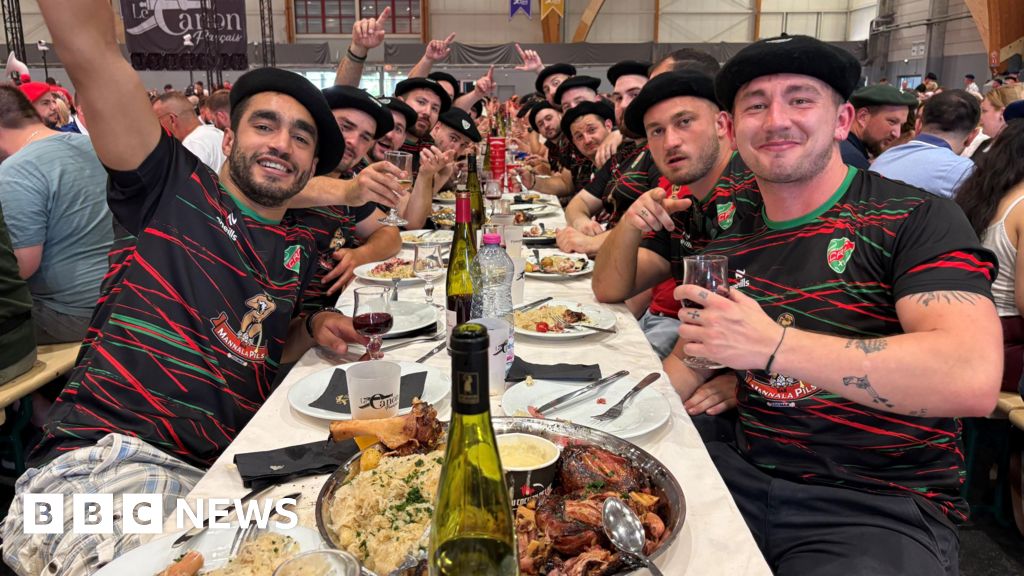
In eastern France, big-ticket communal feasts have become a cultural hit and a political flashpoint. Left-wing critics say the events are exclusionary and politically suspect; organizers say they are simply reviving a traditional way of eating and socializing together.
A company is throwing giant dinner parties where lots of people eat, drink and sing together. Some politicians say the parties are really a way to push excluding ideas, while the hosts say it is just an old French tradition, like a big neighborhood picnic with better food.
Analysis
What happened
At a large banquet in Colmar, about 3,500 people gathered for a communal meal run by Le Canon Français, a company that stages mass feasts built around regional food, wine and singing. Attendees paid €81 for four courses, unlimited wine and hours of entertainment.
Why the left is attacking it
The radical left party La France Insoumise says the banquets are not neutral celebrations. It claims there has been racist chanting and that immigrant staff were insulted. It also argues that menus heavy on pork make the events unwelcoming to Muslims and vegetarians. The party points to the involvement of Pierre-Edouard Stérin, an ultra-conservative businessman, as further evidence that the events sit inside a wider hard-right ecosystem.
What organizers say
Le Canon Français rejects those claims. Its founders say the banquets are meant to revive an old French tradition of eating together in public, with roots in medieval communal feasts and later republican and village banquets. They argue that modern life has made people too isolated and that the events are about shared food, conversation and local heritage rather than politics.
What the BBC observed
The report says the atmosphere in Colmar was festive and orderly. The BBC did not see offensive behavior or hear language that could be described that way. The crowd appeared mostly young, and many attendees said they were there for the food, music, friends and atmosphere, not politics.
The bigger picture
This is not just about a meal. The controversy shows how ordinary-looking cultural events can become proxies in France’s broader argument over national identity, inclusion and the pull of the far right. The presence of a wealthy conservative backer gives critics more ammunition, even as organizers insist their project is apolitical.
Key points
- Thousands attended a large banquet in Colmar, paying for several courses, wine and singing.
- La France Insoumise says the events have racist undertones and can exclude Muslims and vegetarians.
- Critics also point to investor Pierre-Edouard Stérin’s right-wing political views.
- Le Canon Français says it is reviving an old French tradition of communal dining.
- The BBC report says the event it observed looked festive and orderly.
If the organizers are right, the banquets could keep bringing strangers together around local food and shared traditions. They might also help revive public social life in towns that want more communal events.
If the critics are right, the banquets could become a social cover for exclusionary politics and spread a culture that feels welcoming only to some groups. The dispute could deepen France’s political polarization and turn more cultural events into partisan battlegrounds.