Gluten-free basics ‘now a luxury’ as price of a small branded loaf nears £4
Gluten-free staples are getting more expensive and harder to find, leaving coeliac households paying more for less. Shoppers and charities say the squeeze is turning a medical diet into a luxury.
Intelligence analysis by GPT-5.4 Mini
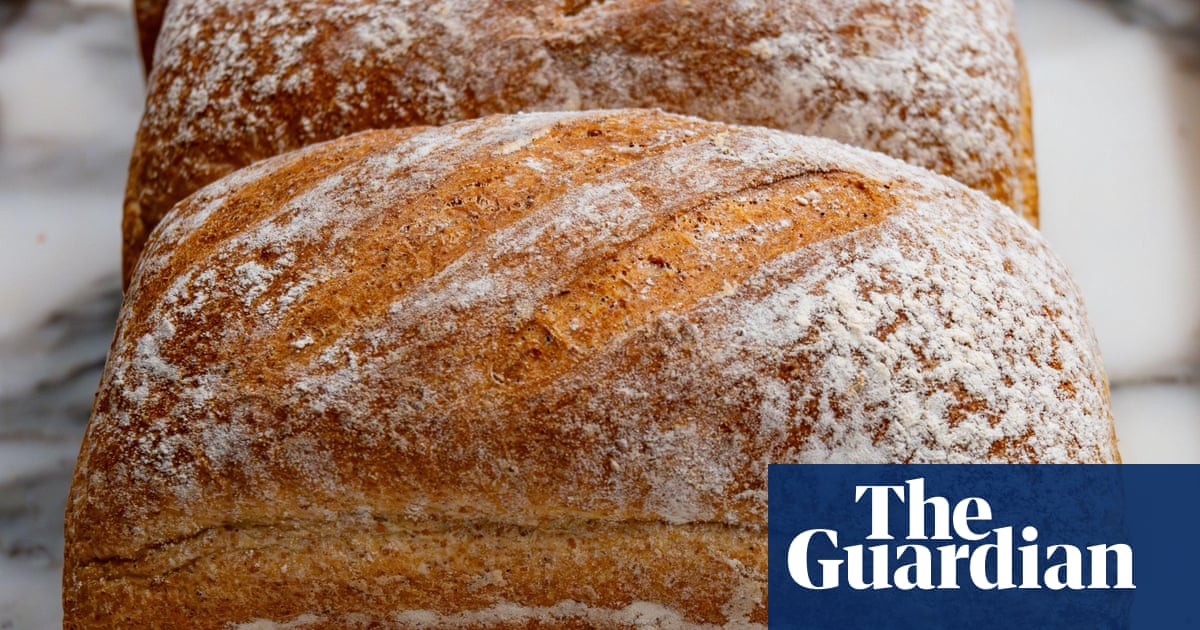
The Guardian reports that gluten-free basics such as bread, flour, cereal and biscuits are becoming increasingly unaffordable for people with coeliac disease. Prices have risen, ranges have shrunk in some shops, and campaigners say the burden is especially heavy for households with multiple coeliacs.
Some people cannot eat gluten because it makes them sick. For them, special bread and cereal are not treats. They are like medicine they have to buy every week.
The problem is that these special foods cost a lot more now, and sometimes the packs are smaller too. It is like paying extra money for a smaller lunchbox.
That makes life harder for families, especially if more than one person needs gluten-free food. The story says some people are skipping or limiting these foods because the prices keep rising.
Analysis
What is happening
Gluten-free versions of everyday foods are getting pricier, with shoppers saying a small branded loaf now costs close to £4. The article says a standard white loaf can still be bought for less than £1, while gluten-free equivalents are much more expensive and often smaller.
Why shoppers are worried
People with coeliac disease say this is not a lifestyle choice but a medical necessity. Alison Peters of Coeliac Sanctuary says the food is becoming “a luxury rather than an essential medical diet”, and she notes that families with more than one coeliac can see costs rise very quickly. She also points to the common pattern that gluten-free products are both more expensive and smaller, so shoppers pay more for less.
Evidence of the squeeze
Using Trolley.co.uk price data, the article says the average gluten-free bread price is now £3.12, up 17p, or nearly 6%, from May 2025. Gluten-free flour is said to average £3.80, more than 10% higher than a year earlier. The article also cites Coeliac UK research saying a weekly gluten-free shop can cost up to 35% more than a standard one, and that eight in 10 people struggle to afford gluten-free staples.
Supply and policy pressures
The piece links the problem to wider food inflation and to changes in retail availability. One reader says Aldi has removed the free-from section from a local store after a trial ended, reducing access to basics such as bread, pasta and flour. Coeliac UK also warns that ending adult prescriptions for gluten-free bread and flour in England adds strain to household budgets.
Wider economic context
The article frames gluten-free inflation as part of a broader food-cost problem, with the cost of food and drink still rising and further pressure possible if energy prices feed through into food production and retail.
Key points
- A small branded gluten-free loaf is now close to £4 in many shops.
- Gluten-free food is often smaller and more expensive than standard equivalents.
- Coeliac UK says a weekly gluten-free shop can cost up to 35% more than a standard shop.
- Shoppers say supermarket free-from ranges are shrinking in some places.
- Campaigners argue the rising costs are turning a medical diet into a luxury.