Going to a Café in a Chador: Why Photos of Veiled Women in Public Places Were Called a "Protest Movement"
Photos of hijab-wearing women in cafés sparked a heated online debate in Iran over whether they showed protest, courage, or ordinary choice.
Intelligence analysis by GPT-5.4 Mini
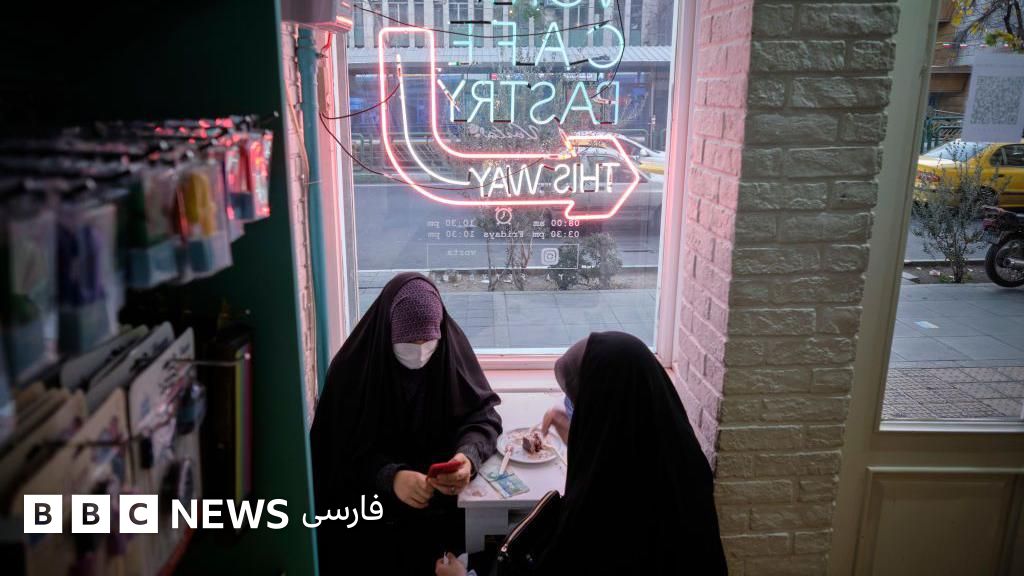
A viral backlash to women in chadors at cafés turned into a wider argument on X about what counts as courage in Iran: public piety, or appearing without a headscarf under compulsory hijab.
It is like people arguing over a school uniform rule. Some girls post photos wearing a certain head covering at a café, and others argue whether that is a brave statement or just normal life. The bigger fight is about who gets to choose their clothes.
Analysis
What happened
BBC Persian says a recent wave of photos on X showed young women and girls in chadors inside cafés, shopping centers, beaches, and other public places. Some of the women said they are veiled but usually do not wear the chador, and they posted the photos after a harsh post from another X user criticized chador-wearing women in cafés.
The original critic later apologized and deleted the post, saying it had drawn far more attention than expected. The user also said people had contacted them, personal details had been shared, and many Telegram users had called and insulted them.
Why it became a dispute
The photo wave quickly became a debate about meaning. Some users described it as a political act or protest, and praised the women for their bravery. Others pushed back, saying that in a country where hijab is compulsory and women have been arrested, jailed, tortured, and even killed for not observing it, appearing in public without a headscarf is the real sign of courage.
The article also says some people recalled how, before the "Woman, Life, Freedom" movement, many cafés, restaurants, and shops displayed signs refusing entry to unveiled women. In that context, some users argued that seeing chador-wearing women in cafés as a brave act shows how much the public debate has shifted.
Bigger context
BBC Persian frames the episode as part of a longer change in Iran's public sphere. Even though the morality police are less visible on the streets, hijab remains legally mandatory. The article notes that many women now appear in cafés and shopping areas without a manteau or headscarf, something that would have been far riskier in earlier years.
At the same time, some users criticized the sharp split between supporters and opponents of hijab, saying people with different beliefs and dress should be able to share public space without judgment. The discussion, then, is less about cafés alone and more about who gets to belong in Iran's public life and on what terms.
Key points
- Photos of chador-wearing women in cafés spread widely on X and triggered a heated argument.
- Some users called the images a political act or protest, while others said true courage in Iran is appearing without a headscarf.
- The original critic deleted the post and said they were contacted, doxxed, and insulted after it went viral.
- BBC Persian places the episode in the wider context of compulsory hijab and the legacy of the Woman, Life, Freedom movement.
- Some users defended coexistence, saying people with different clothing and beliefs should be able to share public space.
The debate could help normalize the idea that people with different beliefs and styles can share public spaces. The article also shows some users defending peaceful coexistence and the right to appear in public without being judged.
The argument could deepen the split between supporters and opponents of hijab, making online harassment worse. The article also shows that, despite fewer visible enforcers, compulsory hijab still creates legal and social risk for women.