Gold hits highest level in three months as traders worry about US inflation and bond market jitters – business live
Gold prices surged to a three-month high, nearing $4,700 an ounce, as investors worried about US inflation and bond market jitters. Bitcoin also rallied, while oil prices fell despite new US sanctions threats.
Intelligence analysis by Gemini 2.5 Flash

Investors are flocking to safe-haven assets like gold and Bitcoin amid growing anxieties about US fiscal policy, the Federal Reserve's inflation-fighting capacity, and potential risks in global markets, particularly those linked to AI spending. This comes as a prominent investor criticizes the US Treasury's bond market intervention.
Imagine your piggy bank money might not buy as much candy next year because prices are going up, or the grown-ups in charge of the country's money aren't doing a great job. So, people are putting their money into shiny gold or digital coins like Bitcoin, which they hope will keep their value better, like hiding your favorite toy from a younger sibling.
Analysis
Gold's recent surge to its highest level in three months underscores a growing unease among investors regarding the stability of the US economy and broader financial markets. This movement is not isolated, with Bitcoin also experiencing a strong rally, indicating a broader flight to alternative assets perceived as hedges against traditional market volatility and inflationary pressures. The backdrop to these shifts includes persistent worries about US inflation, the Federal Reserve's capacity to manage it, and the escalating US national debt.
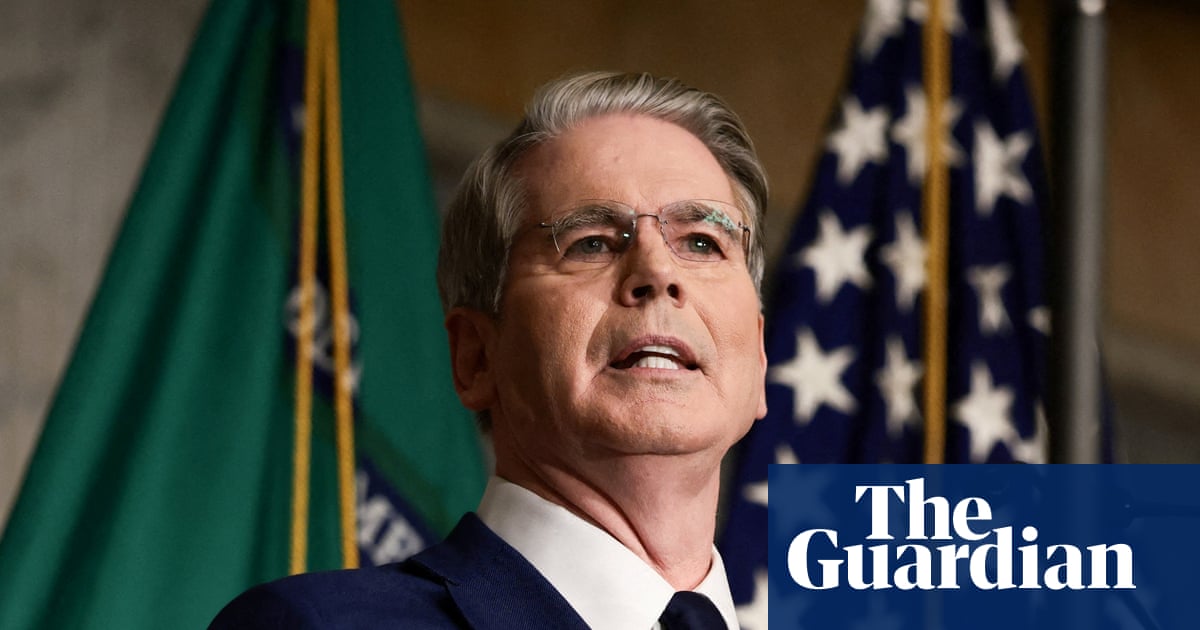
Scott Bessent
US Treasury Secretary Scott Bessent's recent actions to calm bond markets have drawn significant scrutiny. Bessent decided to double the maximum size of the Treasury's buyback operations, increasing them from $2bn to $4bn. This move was intended to push down US borrowing costs by suppressing bond yields.
However, the market's reaction was swift and critical, with yields briefly dropping before quickly reversing. This suggests that investors viewed the intervention as an attempt at price management rather than genuine liquidity management, raising questions about the long-term effectiveness and wisdom of such fiscal maneuvers.
Stanley Druckenmiller
Billionaire investor Stanley Druckenmiller, a former mentor to Bessent, publicly rebuked the Treasury Secretary's approach. Druckenmiller, writing in the Wall Street Journal, argued that the US should "Let the bond market speak" rather than attempting to suppress yields through expanded bond purchases. He emphasized that governments defending prices against fundamentals invariably lose, with the only variable being the cost incurred before conceding.
Druckenmiller stressed the critical role of the long-term Treasury yield as the world's most important price and the sole remaining fiscal disciplinarian for the US. He contended that Washington should heed rising borrowing costs as a signal to cut the budget deficit, rather than interfering with market mechanisms. His critique highlights a fundamental disagreement on how to address the nation's fiscal challenges.
Ipek Ozkardeskaya
Ipek Ozkardeskaya, a senior analyst at Swissquote, provided a comprehensive analysis of the renewed appetite for gold. She identified several key drivers: gold's role as a hedge against unclear US fiscal plans and the administration's perceived inability to rein in exploding debt, especially with rising military expenses. Furthermore, investors are seeking protection against inflation, questioning the Fed's willingness or ability to independently combat it.
Ozkardeskaya also noted gold's appeal as a hedge against a potential rout across global risk assets, fueled by concerns over high valuations, massive AI spending, and the complex financing web surrounding the AI ecosystem. She suggested that while overbought conditions might lead to short-term corrections, the broader de-dollarization trend and global institutions diversifying away from US Treasuries towards gold remain supportive of its long-term trajectory. The current macroeconomic setup, characterized by rising inflation expectations, also boosts demand for hard commodities and alternative assets like Bitcoin and copper.
Key points
- Spot gold reached nearly $4,700 an ounce, its highest level in three months, driven by US inflation and bond market jitters.
- Billionaire investor Stanley Druckenmiller criticized US Treasury Secretary Scott Bessent's attempt to suppress bond yields, calling it a "mistake."
- Investors are using gold as a hedge against unclear US fiscal plans, exploding debt, inflation concerns, and potential risks in global markets, including those tied to AI spending.
- Bitcoin also rallied strongly, while oil prices fell despite new US sanctions threats on Iran.
- The long-term de-dollarization trend and rising inflation expectations are seen as supportive factors for gold and other hard commodities.
The article suggests that gold's overbought conditions could lead to short-term downside corrections, offering "dip-buying opportunities to long-term bulls." Additionally, strong fundamentals for industrial metals like copper, driven by electrification and AI buildout, indicate robust demand in certain sectors.
Concerns about "exploding debt" and the US administration's capacity to manage it, coupled with questions over the Fed's ability to fight inflation, paint a pessimistic picture. A prominent investor warns that the US Treasury's interference in bond markets is a "mistake" that could lead to a "rout across global risk assets."
Market signals
- XAU Gold prices surged to a three-month high due to safe-haven demand driven by US inflation and bond market jitters.
- BTC Bitcoin rallied strongly as investors sought alternative assets amid macroeconomic concerns.
- OIL Oil prices fell despite the threat of heavy US sanctions on Iran and any country trading with it.
AI-generated analysis of potential market relevance. Not financial advice.