Goose, Goose, Duck: The Unmaking of a Beijing Street Food Legend
A Beijing street vendor known as Auntie Goose Legs said she had switched from goose to duck, sparking backlash, a viral debate and an official probe.
Intelligence analysis by GPT-5.4 Mini
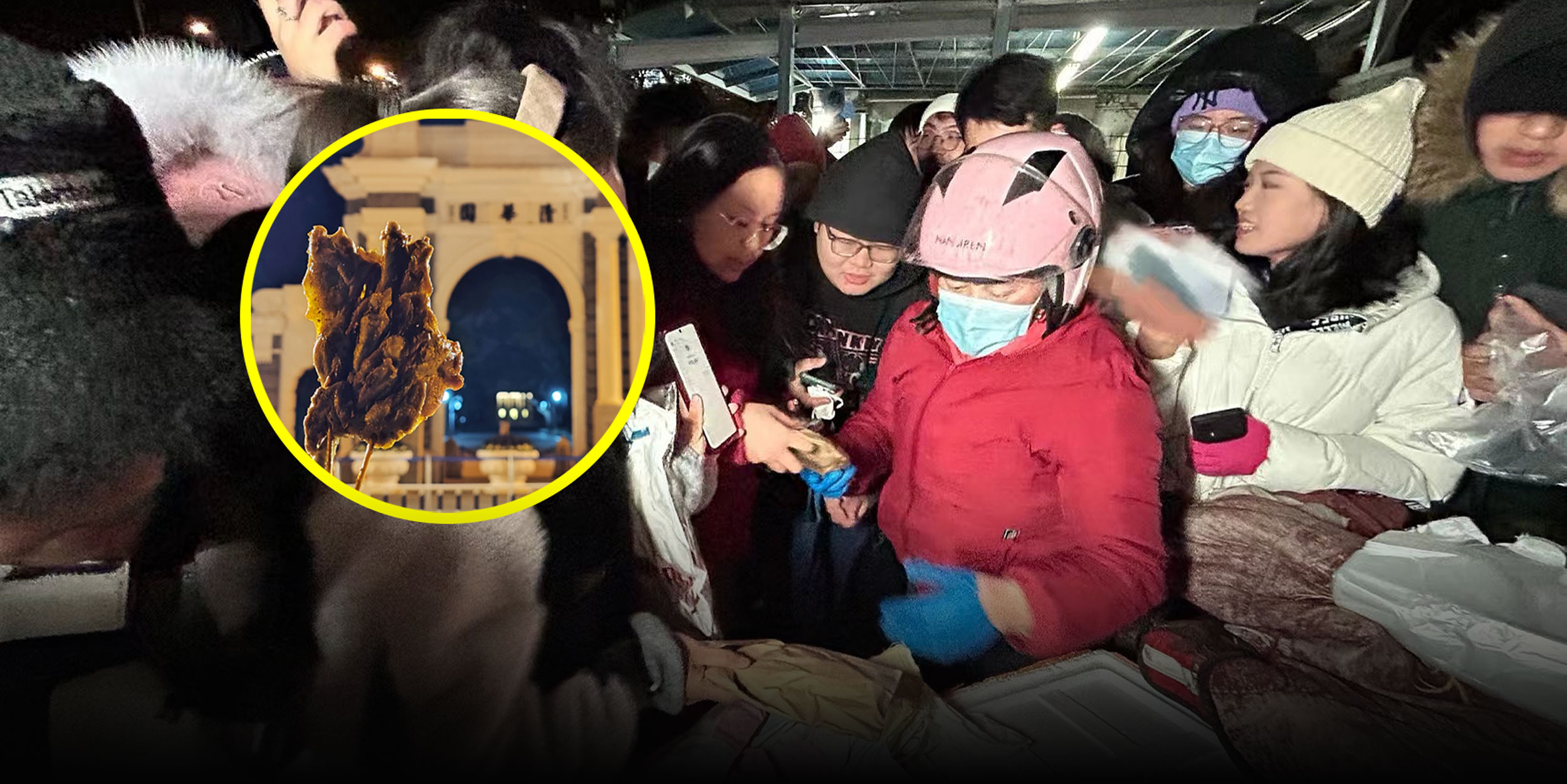
A cult campus snack seller whose roasted legs drew lines at Beijing universities admitted the product was duck, not goose. The confession shattered her internet-famous brand, triggered accusations of deception, and put Haidian officials on the case.
A snack seller became famous because students thought she sold goose legs. Later, she said the food was actually duck legs, like finding out a favorite prize was not the real one. People got angry, and officials started checking what happened.
Analysis
From campus legend to backlash
For years, Chen Xiufeng, known to students as “Auntie Goose Legs,” built a cult following around roasted legs sold near some of Beijing’s top universities, including Peking University, Tsinghua University, and Renmin University of China. Students organized WeChat ordering groups, and the limited supply helped turn the snack into a campus obsession.
The image cracked after screenshots spread online showing Chen acknowledging in a customer group chat that the legs were duck, not goose, after a complaint reached local authorities. That admission set off accusations that buyers had been misled. Domestic media reports cited a wide price gap between goose and duck legs at wholesale, which sharpened the criticism.
Chen said she had sold goose legs at first but later switched to duck because of ingredient shortages. She also said the name “Auntie Goose Legs” had already stuck by then, and that “Auntie Duck Legs” did not sound as good. According to the article, she had earlier sold fruit inside Peking University and later ran a fruit stand near the campus before moving into roasted legs.
How the brand grew
Her popularity extended beyond the universities. In 2024, she was invited to speak at Peking University about entrepreneurship, and later partnered with Xiaohongshu on a promotional campaign. People’s Daily and CCTV also featured her rise from migrant worker and street vendor to internet celebrity.
The fallout was swift. Chen suspended operations as criticism mounted online, while the hashtag about the duck-leg revelation drew tens of millions of views across Weibo and Xiaohongshu. Officials from Beijing’s Haidian District Market Supervision Administration said they had received reports and would release findings after preliminary results were ready.
The article leaves Chen’s future open, but it makes clear that her once-quirky street-food story has become a test of consumer trust, branding, and official scrutiny.
Key points
- Chen Xiufeng, known as Auntie Goose Legs, became a campus food sensation near top Beijing universities.
- She said she originally sold goose legs but later switched to duck because of ingredient shortages.
- Online backlash followed after screenshots of her admission circulated widely.
- Beijing’s Haidian District Market Supervision Administration said it had received reports and would issue findings later.
- Her family says the business roasts about 500 duck legs a day and earns around 50,000 yuan a month.
If the investigation clarifies what was sold and the business adjusts its labeling or sourcing, the controversy could settle with a clearer, more honest operation. Chen’s strong customer base shows there is still demand if trust can be rebuilt.
If officials find that customers were knowingly misled, the business could face penalties and lose the brand that made it famous. Even without formal punishment, the viral backlash may permanently damage customer trust and end the campus appeal.