Gordon Ramsay’s UK restaurants stay in red despite sales topping £100m
Gordon Ramsay's UK restaurant arm narrowed its losses to £5.8m last year, despite achieving record sales of almost £101m for the first time, driven by new openings and a Netflix documentary.
Intelligence analysis by Gemini 2.5 Flash
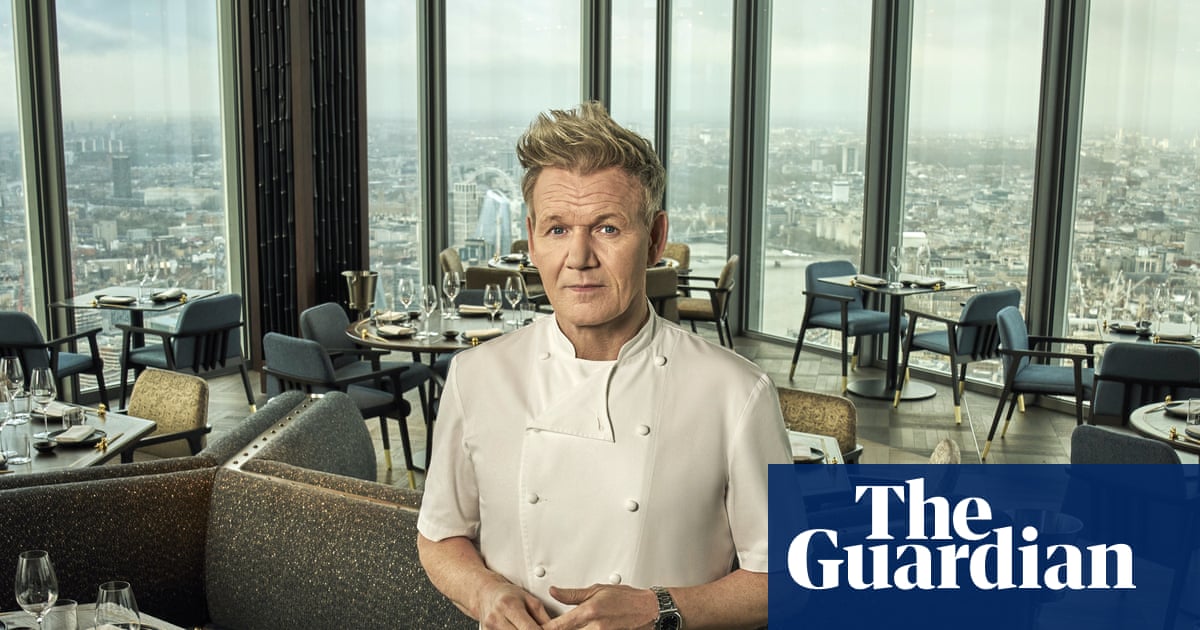
Despite a challenging global macro environment, Gordon Ramsay's UK restaurant business saw sales exceed £100m for the first time, narrowing its annual losses. The group attributes this performance to new restaurant openings, particularly at London's 22 Bishopsgate tower, and the positive impact of a Netflix documentary, while also pursuing aggressive international expansion through pa…
Imagine a famous chef named Gordon who has lots of restaurants, like fancy burger joints. Even though his UK restaurants sold more food than ever before, making over £100 million, they still spent a little more money than they earned, like buying really expensive ingredients. But his restaurants all over the world are doing much better, and he's working hard to make all his places earn more money, especially by letting other people open restaurants with his name on them.
Analysis
Gordon Ramsay's UK restaurant empire, a significant player in the hospitality industry, reported a mixed financial performance for the past year. While the UK arm continued to operate in the red, it demonstrated substantial progress by narrowing its losses and achieving a significant revenue milestone. This performance provides a snapshot of the current economic climate's impact on even well-established brands.
£100m Sales Milestone
For the first time, Gordon Ramsay's UK business saw its sales top £100m, reaching almost £101m, a 3% increase year-on-year. This achievement is particularly notable given the company's acknowledgment of a "challenging macro environment" globally. The surge in revenue suggests strong consumer demand for high-end dining experiences, or effective marketing and expansion strategies that captured market share despite broader economic pressures. The company's ability to grow its top line indicates a robust brand presence and successful operational execution in attracting customers.
Despite the impressive sales growth, the UK arm still recorded a loss, albeit a reduced one of £5.8m, down from £9.4m the previous year. This persistent unprofitability in its home market underscores the high operational costs inherent in the restaurant industry, including labor, rent, and supply chain expenses. The company's stated priority of improving profitability suggests an ongoing focus on cost management and efficiency, alongside its growth initiatives, to achieve sustainable financial health in the UK.
22 Bishopsgate
A key driver of the UK's sales performance was the strategic expansion within London, particularly the multi-restaurant venue at 22 Bishopsgate. This location, which hosts five distinct restaurant experiences, was highlighted by CEO Andy Wenlock as the "star performer" for the group. The concentration of multiple concepts within a single high-profile location appears to have created a synergistic effect, maximizing customer footfall and operational efficiency.
The opening of the group's 100th restaurant, a Bread Street Kitchen & Bar, also at Bishopsgate, further cemented this strategy. This expansion in a prime City of London location demonstrates confidence in the capital's market and its capacity for high-volume, premium dining. The success of 22 Bishopsgate suggests that carefully chosen, high-impact locations with diverse offerings can still thrive even when the broader market faces difficulties, contributing significantly to overall revenue growth.
Lion Capital Partnership
Beyond the UK, Gordon Ramsay Restaurants is pursuing an aggressive international growth strategy, with global sales increasing by 7% to a record £151.8m. This global expansion includes the US business, which is now co-owned with the investment group Lion Capital, indicating a strategic move to leverage external capital and expertise for accelerated growth. The partnership with Lion Capital allows for broader market penetration and risk sharing in new territories.
The company is increasingly relying on licensing partnerships, franchise, and management agreements to fuel its international expansion, opening new outlets like Gordon Ramsay Steak in Vancouver and Hell’s Kitchen in Ibiza, alongside ventures in the Middle East and Asia. This asset-light growth model allows the brand to expand its footprint rapidly without the full capital expenditure and operational burden of owning every restaurant. This strategy is crucial for maintaining growth momentum while addressing the profitability challenges observed in its owned UK estate, positioning the brand for broader global reach and diversified revenue streams.
Key points
- Gordon Ramsay's UK restaurant business narrowed its losses to £5.8m from £9.4m the previous year.
- Sales for the UK arm topped £100m for the first time, reaching almost £101m, a 3% increase.
- The company's global sales, including its US business co-owned with Lion Capital, rose 7% to a record £151.8m.
- The opening of the 100th restaurant and the performance of the 22 Bishopsgate venue were key drivers of growth.
- The group plans to accelerate international growth through experienced partners and licensing agreements.
The significant increase in sales to over £100m and the narrowing of losses in the UK suggest a positive trajectory towards profitability, indicating strong brand appeal and effective operational improvements. The robust international growth, driven by strategic partnerships and new openings, positions the group for continued global expansion and diversified revenue streams.
Despite record sales, the UK arm remains unprofitable, highlighting persistent challenges in cost management within a demanding macro environment. The historical struggle to turn a profit for several years, even before the pandemic, suggests that achieving sustainable profitability in the UK market may continue to be an uphill battle.