Government Committed to Fostering Interfaith Harmony: PM
Prime Minister Shehbaz Sharif reaffirmed Pakistan's commitment to interfaith harmony, religious tolerance, and safeguarding minority rights.
Intelligence analysis by Gemini 2.5 Flash Lite
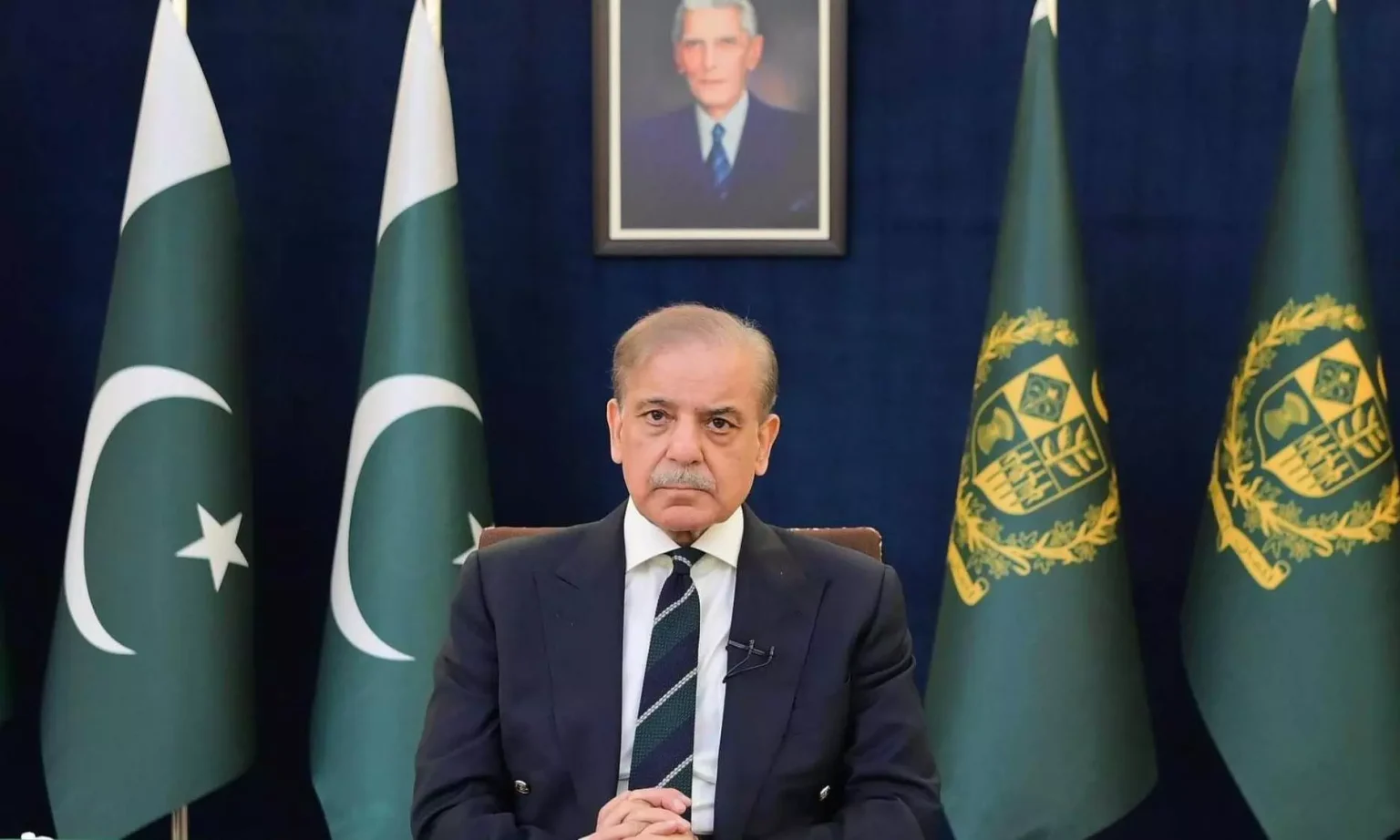
On the International Day for Tolerance, Prime Minister Shehbaz Sharif emphasized Pakistan's dedication to fostering interfaith harmony, religious tolerance, and protecting minority rights, citing Islamic teachings and the Constitution as guiding principles for peaceful coexistence and mutual respect.
Imagine Pakistan is like a big school with students from many different families, each with their own traditions. The leader, the Prime Minister, said it's super important for everyone to be kind and respectful to each other, no matter their beliefs. He wants to make sure everyone feels safe and has a fair chance to learn and play, just like the school rules say.
Analysis
Interfaith Harmony in Pakistan
Prime Minister Shehbaz Sharif's message on the International Day for Tolerance underscores the Pakistani government's stated commitment to fostering interfaith harmony and religious tolerance. He emphasized the importance of safeguarding the rights of minorities and vulnerable segments of society, a critical aspect of social stability and national progress. The Prime Minister also highlighted the government's dedication to curbing hate speech and advancing the National Action Plan on Human Rights, which includes human rights education and the promotion of peace. These are significant policy objectives that, if effectively implemented, could contribute to a more inclusive and peaceful society.
Constitutional and Islamic Guarantees
Sharif invoked both the Constitution of Pakistan and Islamic teachings to support the principles of tolerance and respect. He stated that the Constitution guarantees dignity, protection, equal opportunities, and equality before the law for all citizens, irrespective of their religion or creed. Furthermore, he referenced Islamic teachings as a source of guidance for patience, tolerance, compassion, justice, and respect for humanity, citing the example of the Holy Prophet Muhammad (Peace Be Upon Him) as a model of forbearance and kindness. This dual appeal aims to legitimize the government's stance within both secular legal frameworks and religious traditions prevalent in Pakistan.
Legal Framework and Societal Role
The Prime Minister pointed to the "National Commission for Minority Rights Act, 2025" as a significant legal step towards strengthening the protection of minority rights, although the year 2025 suggests this is a forward-looking or potentially misstated reference. He stressed that translating these legal safeguards into effective institutional protection and ensuring access to justice are key government priorities. Beyond legal measures, Sharif called upon religious scholars, educators, media, civil society, and citizens, especially the youth, to actively reject prejudice, foster mutual understanding, and counter hatred and violence. This highlights a recognition that legal frameworks alone are insufficient and that societal attitudes and actions are crucial for nurturing tolerance.
Key points
- Prime Minister Shehbaz Sharif reaffirmed the government's commitment to interfaith harmony and religious tolerance.
- The government aims to safeguard the rights of minorities and curb hate speech.
- The Constitution guarantees equal rights and dignity for all citizens, regardless of religion.
- Islamic teachings are cited as a foundation for tolerance, patience, and compassion.
- The 'National Commission for Minority Rights Act, 2025' is mentioned as a step to strengthen legal protections for minorities.
If the government successfully implements its commitment to interfaith harmony and strengthens legal protections for minorities, it could lead to greater social cohesion and a more inclusive society. Increased religious tolerance and reduced hate speech would foster a more peaceful environment for all citizens.
Despite the Prime Minister's assurances, the practical implementation of these commitments may face challenges, potentially leading to continued discrimination or marginalization of minority groups. The effectiveness of legal frameworks and societal efforts to curb hate speech remains a significant concern.