Government increases petrol, diesel prices
The federal government has increased the prices of petroleum products, with the price of petrol rising by Rs4.93 per liter and the price of high-speed diesel increasing by Rs7.15 per liter.
Intelligence analysis by Llama
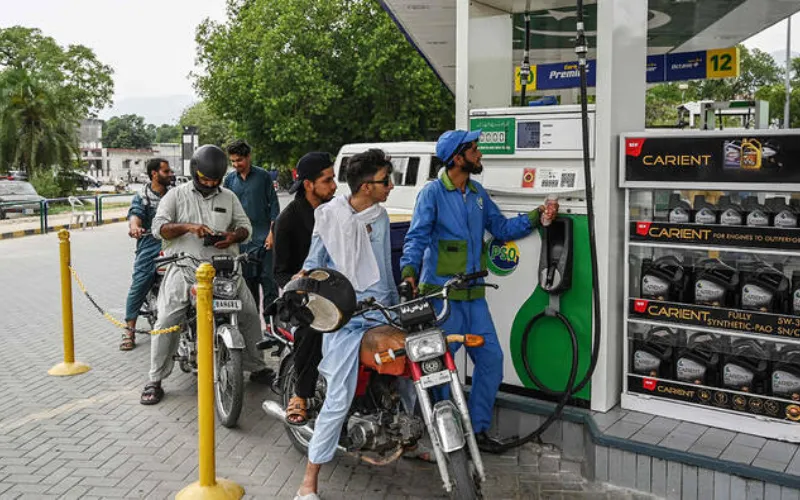
The government has increased the prices of petrol and diesel, with the new prices taking effect on July 22. The All Pakistan Petrol Pumps Association has announced an indefinite nationwide closure of petrol stations in protest.
The government has increased the prices of petrol and diesel, which means that people will have to pay more money for fuel. This is because the government needs more money to fund various projects and initiatives. However, the move has also been met with resistance from the All Pakistan Petrol Pumps Association, which has announced an indefinite nationwide closure of petrol stations in protest.
Analysis
A $60B Vote of Confidence
The government's decision to increase the prices of petrol and diesel is a significant move that reflects the country's economic realities. The price hike is expected to generate an additional $60 billion in revenue for the government, which can be used to fund various development projects and initiatives. However, the move has also been met with resistance from the All Pakistan Petrol Pumps Association, which has announced an indefinite nationwide closure of petrol stations in protest. The association has rejected the government's proposed daily fuel pricing mechanism, citing concerns over the impact on the industry and the economy.
Why Cursor?
The government's decision to introduce a new pricing system under which the Oil and Gas Regulatory Authority (OGRA) would announce ex-depot prices for petrol and high-speed diesel on a daily basis is a significant development. The proposed mechanism would determine prices based on the average international oil prices over the preceding seven days, while prices announced before the weekend would remain unchanged on Saturdays and Sundays. This move is expected to bring transparency and stability to the fuel pricing system, making it easier for consumers to plan their expenses.
The Road Ahead
The government's decision to increase the prices of petrol and diesel is likely to have a significant impact on the economy and the daily lives of citizens. The price hike is expected to lead to increased inflation, which can have a ripple effect on various sectors of the economy. However, the government's move is also expected to generate additional revenue, which can be used to fund various development projects and initiatives. As the situation unfolds, it will be interesting to see how the government and the All Pakistan Petrol Pumps Association negotiate and find a solution that works for both parties.
Key points
- The government has increased the prices of petrol and diesel.
- The price hike is expected to generate an additional $60 billion in revenue for the government.
- The All Pakistan Petrol Pumps Association has announced an indefinite nationwide closure of petrol stations in protest.
- The government has introduced a new pricing system under which the Oil and Gas Regulatory Authority (OGRA) would announce ex-depot prices for petrol and high-speed diesel on a daily basis.
If the government's decision to increase the prices of petrol and diesel leads to increased revenue, it could be used to fund various development projects and initiatives, which can have a positive impact on the economy and the daily lives of citizens.
The price hike is likely to lead to increased inflation, which can have a ripple effect on various sectors of the economy. This could lead to economic instability and make it difficult for people to afford basic necessities.