Grossi’s empty posturing
Iranian media outlets have criticized Rafael Grossi, Director General of the International Atomic Energy Agency, for his recent remarks on reforming the UN. Grossi's comments have been seen as an attempt to position himself for the UN Secretary-General role, despite his p…
Intelligence analysis by Llama
Iranian media outlets have criticized Rafael Grossi for his recent remarks on reforming the UN, accusing him of attempting to position himself for the UN Secretary-General role despite his past contributions to insecurity and biased reports on Iran's nuclear file.
Imagine you're trying to fix a broken machine. You can't just replace the broken part with someone who helped break it in the first place. That's what's happening with Rafael Grossi's attempt to reform the UN. He's been part of the problem and now he wants to be the solution. It's like trying to fix a machine with the same broken part inside.
Analysis
A $60B Vote of Confidence
Rafael Grossi's recent remarks on reforming the UN have sparked controversy in Iran, with many seeing them as an attempt to save face and position himself for a higher role. Grossi's comments have been met with skepticism, particularly given his past contributions to insecurity and biased reports on Iran's nuclear file. The article argues that Grossi's political maneuvering in Iran's nuclear file and his biased reports have paved the way for adversaries' excessive demands. As a result, Grossi's attempt to present himself as a reformist savior is seen as empty posturing.
Why Cursor?
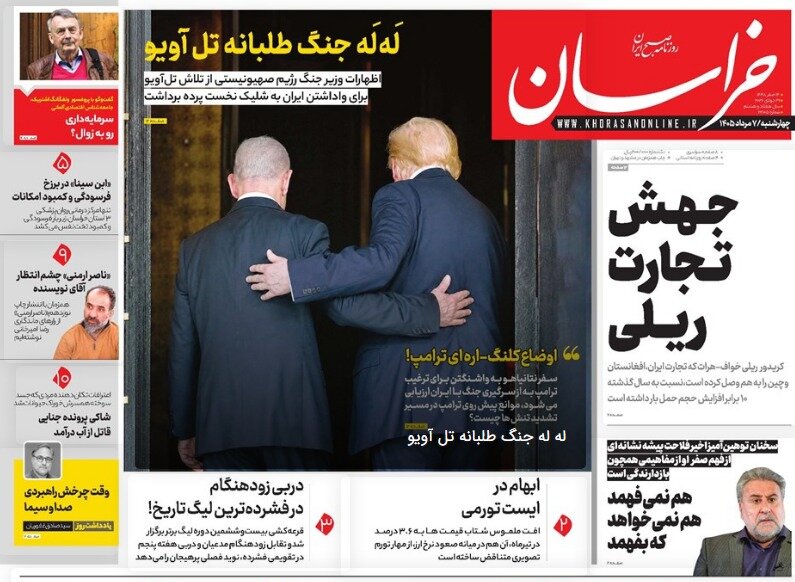
The article highlights the importance of reforming the UN, but argues that it will not be achieved by replacing individuals who have been part of war-driven and unilateralist agendas. Instead, the article suggests that a comprehensive strategy grounded in intelligence, patience, and full use of diplomatic, defensive, and economic capacities is needed to strengthen regional standing and reduce strategic vulnerabilities. This approach would allow Iran to navigate the complex regional and global crises it faces, including the US-Saudi nuclear agreement, the maritime blockade, and the transition from a US-centric order toward multipolarity.
The Road Ahead
The article warns that serious risks lie ahead, including the potential for horizontal escalation or the expansion of the conflict's consequences. However, it also notes that Iran is now in a position to use this turbulent moment as an opportunity to strengthen its regional standing and reduce strategic vulnerabilities. To achieve this, the article suggests that Iran must continuously monitor the situation, coordinate among resistance fronts, and reinforce eastern alliances.
Key points
- Rafael Grossi's recent remarks on reforming the UN have sparked controversy in Iran.
- Grossi's past contributions to insecurity and biased reports on Iran's nuclear file have been criticized.
- Iran is navigating four major regional and global crises, including the US-Saudi nuclear agreement and the maritime blockade.
- Iran must continuously monitor the situation, coordinate among resistance fronts, and reinforce eastern alliances to achieve its goals.
If Iran can successfully navigate the complex regional and global crises it faces, it may be able to strengthen its regional standing and reduce strategic vulnerabilities. This could lead to a more stable and secure region, with Iran playing a key role in shaping the future.
However, the article warns that serious risks lie ahead, including the potential for horizontal escalation or the expansion of the conflict's consequences. If Iran is not able to effectively manage these risks, it may face significant challenges and setbacks in its efforts to strengthen its regional standing and reduce strategic vulnerabilities.