The Palestine Laboratory: How Israel Exports the Technology of Occupation Around the World
The book uncovers the commercialization and deployment of Israel's occupation-enforcing technologies globally, showing how they are used to control populations and fuel conflicts.
Intelligence analysis by Llama
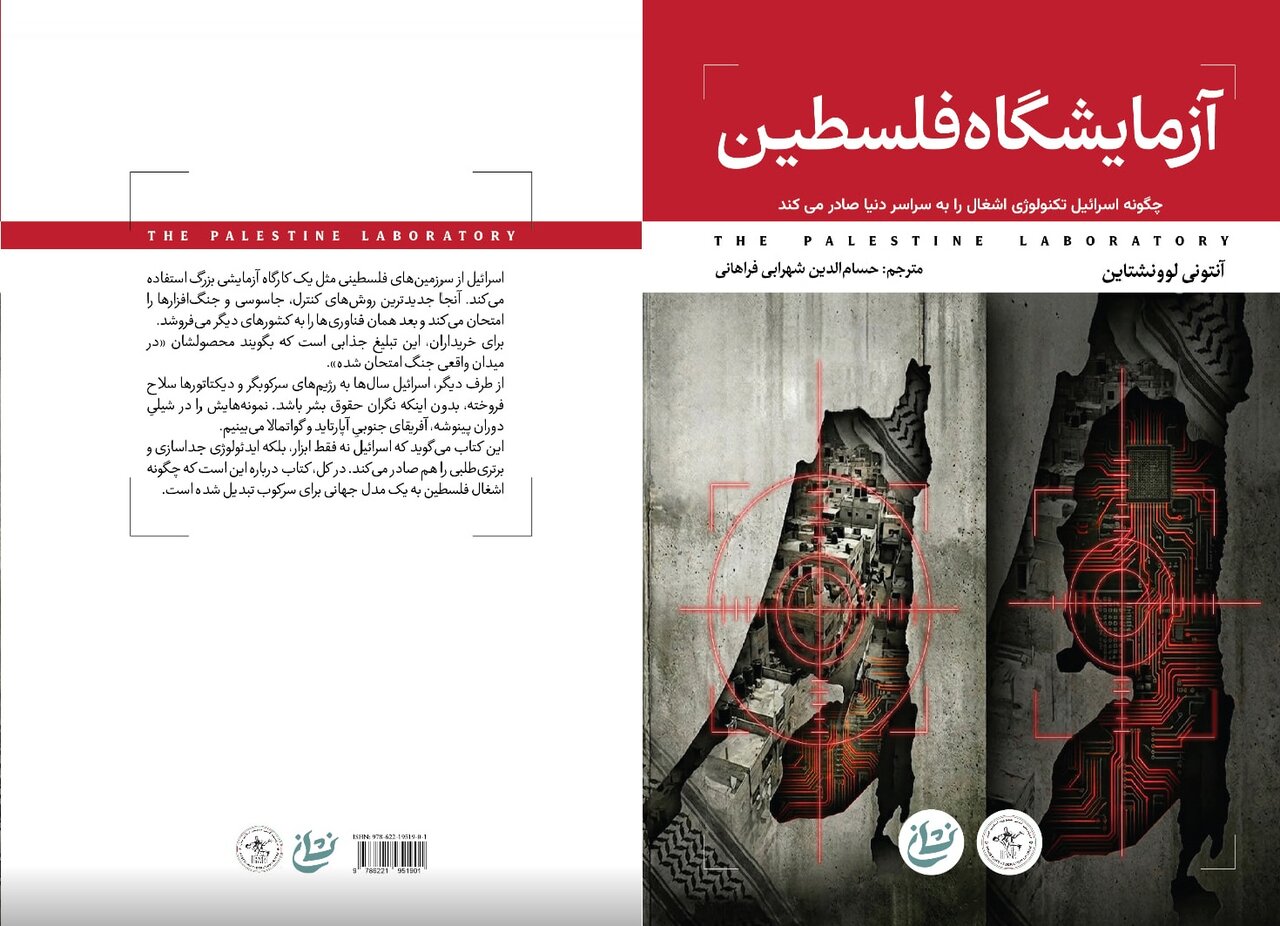
The Palestine Laboratory by Antony Loewenstein reveals how Israel has become a leader in developing spying technology and defense hardware that fuels global conflicts, including the use of Pegasus software to hack phones and drones to monitor refugees.
Imagine a country that uses its experience controlling a population to develop tools that can be used to control other populations. This is what Israel has done, and it's now selling these tools to other countries around the world. These tools can be used to spy on people, track their movements, and even hack into their phones. This is a big problem because it can be used to hurt people and undermine democracy.
Analysis
A Global Industry of Occupation-Enforcing Technologies
The book by Antony Loewenstein shows in depth and for the first time how Israel has become a leader in developing spying technology and defense hardware that fuels some of the globe's most brutal conflicts. For more than 50 years, the occupation of the West Bank and Gaza has given the Israeli state invaluable experience in controlling an 'enemy' population, the Palestinians. It's here that they have perfected the architecture of control, using the occupied Palestinian territories as a testing ground for weaponry and surveillance technology that they then export around the world.
The Indiscriminate Sale of Surveillance Software
The indiscriminate sale of surveillance software has meant that Israel not only upholds apartheid in occupied Palestine, but also diminishes democracy abroad. The Committee to Protect Journalists has stated that such software is an 'existential threat to press freedom'. Lowenstein argues that this global destabilization is in fact good for business. He points to the boom in the Israeli surveillance software industry since 9/11. Israel had long positioned itself as both an expert in surveillance and an ideally situated ally in the war on terror. However, Lowenstein argues that since 2001 Israeli companies have been able to cash in on state paranoia worldwide.
The Road Ahead
In this book, Loewenstein shows how Israel uses its occupation of Palestine to test and develop military hardware for sale on the global market. In fact, this development is not even an open secret, but an active selling point of Israeli weapons manufacturers. Lowenstein recounts an occasion when the Israeli company 'Elbit Systems' advertised their new drone's capability with footage of air strikes in Gaza and the West Bank. Upon further investigation, the drone strike shown by Elbit had killed innocent Palestinians, including children.
Key points
- Israel has become a leader in developing spying technology and defense hardware that fuels global conflicts.
- The occupation of the West Bank and Gaza has given the Israeli state invaluable experience in controlling an 'enemy' population.
- The indiscriminate sale of surveillance software has meant that Israel not only upholds apartheid in occupied Palestine, but also diminishes democracy abroad.
- The Committee to Protect Journalists has stated that such software is an 'existential threat to press freedom'.
If this development is addressed, it could lead to a reduction in the global sale of occupation-enforcing technologies and a decrease in the use of surveillance software to control populations. This could lead to a more democratic and peaceful world.
If the global sale of occupation-enforcing technologies continues unchecked, it could lead to a further erosion of democracy and human rights around the world. This could also lead to an increase in the use of surveillance software to control populations, which could have devastating consequences for individuals and communities.