Group films themselves foraging large amount of marine life from Changi, allegedly cooks them after
A group of individuals has been foraging in intertidal areas off Singapore's coast, gathering a large amount of marine life. The group's actions have raised concerns about the sustainability of the coastal ecosystem.
Intelligence analysis by Llama
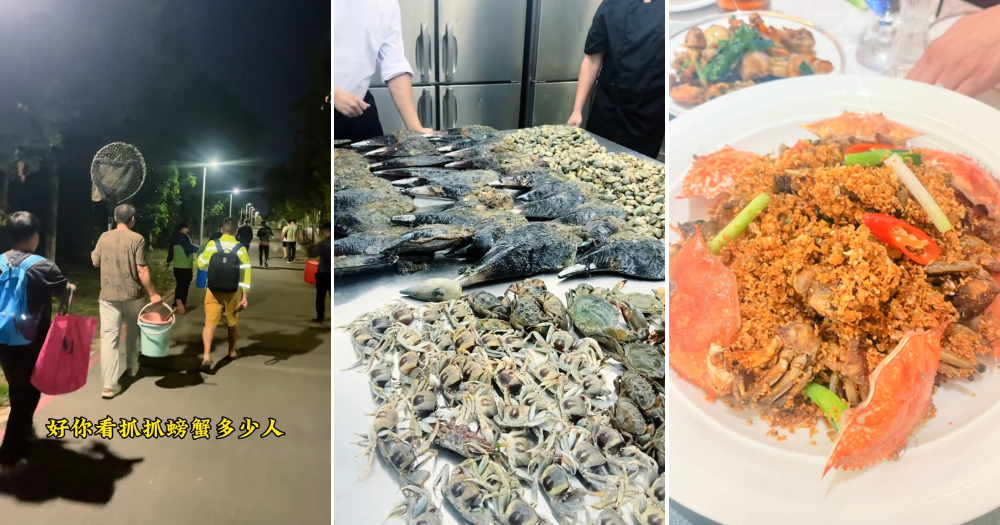
A group of individuals has been foraging in intertidal areas off Singapore's coast, gathering a large amount of marine life. The group's actions have raised concerns about the sustainability of the coastal ecosystem. NParks has urged the public to protect the intertidal habitats and practice responsible etiquette when visiting such habitats.
Imagine you're at the beach, and you see a lot of cool creatures like clams and crabs. Some people are taking a lot of these creatures, which can hurt the beach and the creatures that live there. This is not good for the beach or the creatures, and we need to be careful and respectful when we visit the beach.
Analysis
A Fragile Ecosystem at Risk
The recent videos shared on social media showing groups of people foraging in intertidal areas off Singapore's coast have raised concerns about the sustainability of the coastal ecosystem. The removal of wildlife from their habitats, including intertidal zones, harms our biodiversity and disrupts our ecosystems. Each species plays a unique role in its ecosystem, and their removal can have far-reaching consequences on ecosystem services such as pollination, seed dispersal, and nutrient cycling.
NParks has urged the public to protect the intertidal habitats and practice responsible etiquette when visiting such habitats. This includes refraining from touching, collecting, or trampling on any wildlife. The public who are unfamiliar with the marine wildlife species may also endanger their own safety as they may not recognise poisonous, stinging, or venomous marine wildlife.
The Impact of Human Activity
The trend of intertidal foraging, also known as 'gan hai', has grown popular due to social media. However, this trend has also led to the removal of wildlife from their habitats, disrupting the ecosystem. NParks restricts the collection of animals from intertidal zones under its jurisdiction. These zones include Sisters' Islands Marine Park, Sungei Buloh Wetland Reserve, Labrador Nature Reserve's rocky shore, and Chek Jawa Wetlands.
Community Stewardship
NParks is committed to encouraging community stewardship of our natural habitats and biodiversity in our City in Nature. The public can also play their part in safeguarding Singapore's marine environment by participating in NParks' Intertidal Watch citizen science programme. By working together, we can protect our coastal ecosystem and ensure the long-term health of our marine environment.
Key points
- A group of individuals has been foraging in intertidal areas off Singapore's coast, gathering a large amount of marine life.
- The group's actions have raised concerns about the sustainability of the coastal ecosystem.
- NParks has urged the public to protect the intertidal habitats and practice responsible etiquette when visiting such habitats.
- The removal of wildlife from their habitats, including intertidal zones, harms our biodiversity and disrupts our ecosystems.
If the public is educated about the importance of protecting the coastal ecosystem and the need for responsible behavior when interacting with marine wildlife, we can work together to safeguard Singapore's marine environment.
If the trend of intertidal foraging continues and the public does not take steps to protect the coastal ecosystem, the removal of wildlife from their habitats could have far-reaching consequences on ecosystem services and disrupt the ecosystem.