Growing risk that thousands buried in Gaza’s rubble may never be identified, says Red Cross
The Red Cross says Gaza’s missing dead may become impossible to identify as recovery stays slow and remains deteriorate under rubble.
Intelligence analysis by GPT-5.4 Mini
The ICRC warns that time is working against efforts to identify Palestinians buried beneath Gaza’s rubble. With heavy machinery, DNA supplies and forensic equipment still hard to bring in, the chances of returning bodies to families are falling by the day.
Many people in Gaza are still under broken buildings, and the Red Cross says time is making it harder to find out who they are. It is like trying to label a box of lost toys after rain has ruined the names on them.
Analysis
Identification is getting harder
The International Committee of the Red Cross says the longer bodies remain under Gaza’s rubble, the less likely they are to be identified. Its spokesperson in Jerusalem, Pat Griffiths, warned that remains may become badly decomposed or even skeletonised, and that forensic experts lose useful clues as time passes.
The article says Palestinians have begun clearing an estimated 61 million tonnes of debris after the ceasefire, but recovery is slow. Health officials in Gaza believe at least 10,000 people are still buried beneath the rubble, while some experts put the number as high as 14,000. Rescue teams are mostly using basic hand tools because repeated requests for excavators and other heavy machinery have not been answered.
Forensic specialists say identification depends on a narrow set of evidence: fingerprints, dental records, physical features, personal belongings and information about where a body was found. But that evidence is disappearing. The ICRC says displaced remains, destroyed belongings, humidity and animal activity all make identification harder.
Dr Cristina Cattaneo, a forensic pathology professor, said time is the main enemy of identification. Gaza’s forensic medicine director, Dr Ahmed Dahir, said some bodies reported missing for only two weeks had already turned into bones with signs of scavenging, far faster than under normal conditions.
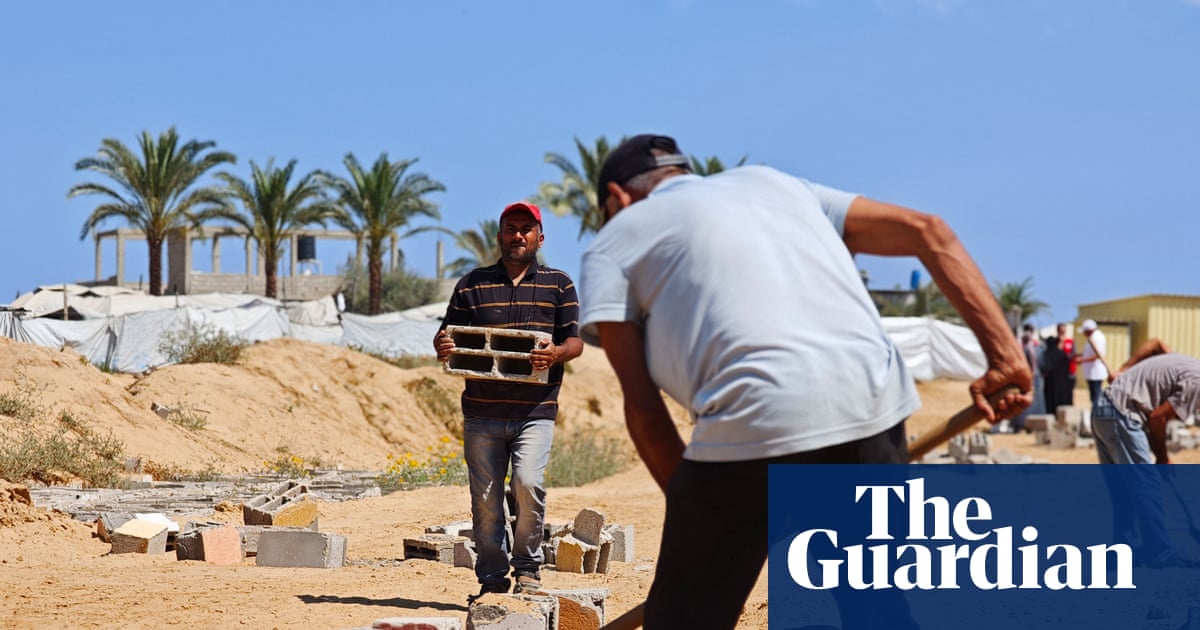
The article also says a cemetery in Deir al-Balah now holds more than 650 unidentified bodies, each grave numbered and documented in case the dead can later be matched with families. But the situation is made worse by a lack of DNA testing equipment in Gaza, which Israel does not allow to enter, and by the fact that DNA itself degrades over time.
Key points
- The Red Cross says the chance of identifying people buried in Gaza’s rubble is falling as time passes.
- Health officials estimate at least 10,000 people may still be buried under debris, with some estimates higher.
- Rescue crews are relying mainly on hand tools because heavy machinery has not been allowed in.
- Forensic experts warn that decomposition, scavenging and lost personal evidence make identification much harder.
- A numbered cemetery in Deir al-Balah is holding more than 650 unidentified bodies for possible later identification.
If heavy machinery, forensic supplies and DNA testing materials are allowed in, recovery teams could identify more of the dead and return them to their families. The numbered cemetery records may also help match remains later if evidence can still be recovered.
If bodies stay buried much longer, decomposition and skeletonisation will erase clues needed for identification. If equipment and DNA testing remain unavailable, many families may never learn what happened to their missing relatives.