Gujarat High Court Grants AAP MLA Chaitar Vasava Seven Days’ Bail for Assembly Session
Gujarat High Court grants AAP MLA Chaitar Vasava temporary bail for seven days to attend the upcoming Assembly session.
By Aditi Rajaindianexpress.com1 min read
Intelligence analysis by Qwen 2.5 (3B)
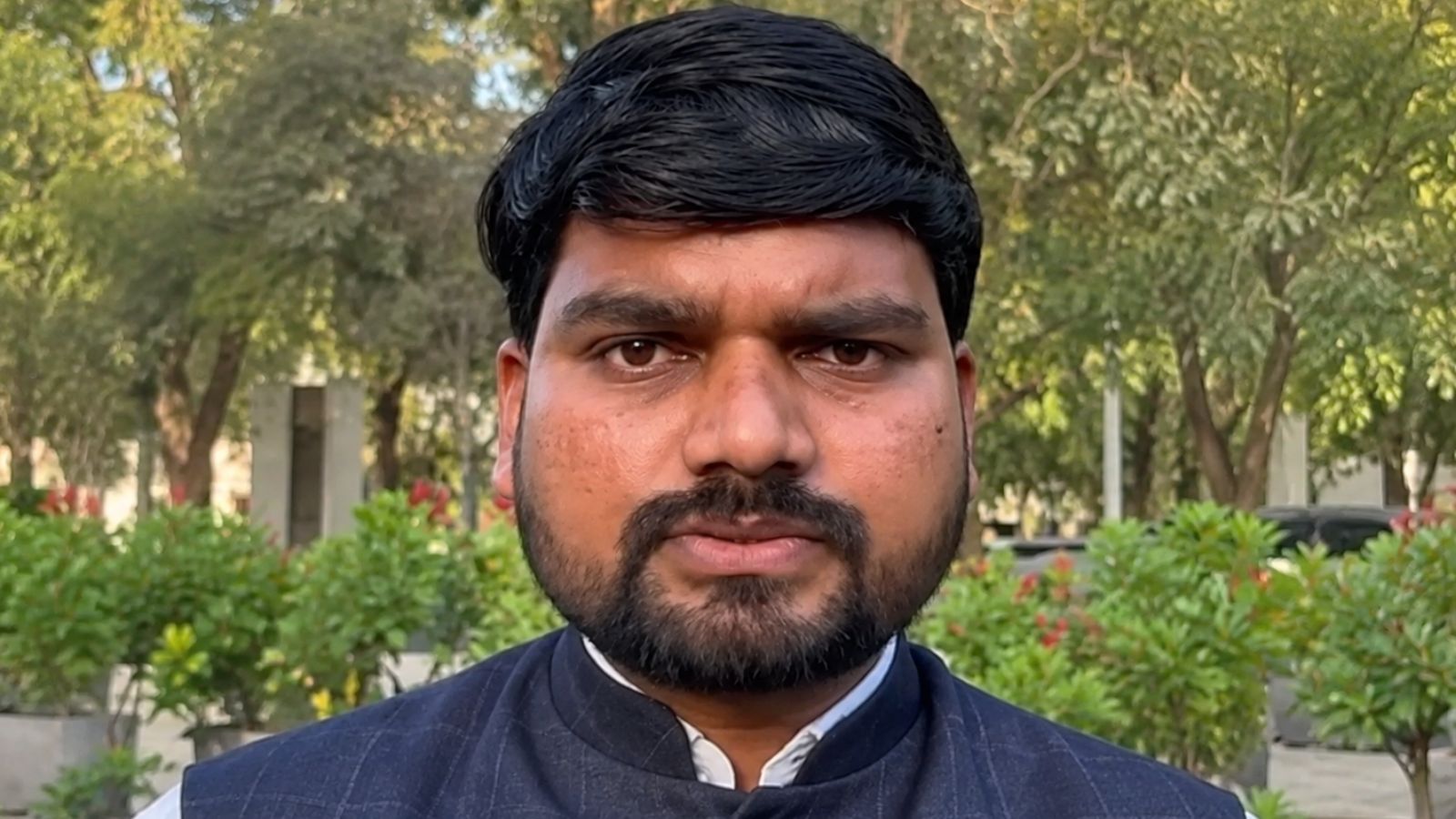
Gujarat High Court grants temporary bail to AAP MLA Chaitar Vasava for attending the upcoming Assembly session.
The court let a convicted MLA, who is still serving time in jail, go free for a few days so he can attend the legislature. This is because he is still an MLA and has important work to do.
Analysis
{"
Legal Precedent and Disqualification":"The court's decision to grant temporary bail to Chaitar Vasava is based on legal precedent that does not automatically grant an imprisoned legislator unrestricted rights to participate in legislative business. The court noted that Vasava was not disqualified from being an MLA, which is a key factor in its decision.","
MLA Responsibilities and Challenges":"Vasava, who has been convicted and is serving time in jail, seeks temporary bail to attend the upcoming Assembly session. His lawyers argue that his legislative responsibilities cannot be entirely performed from jail. The court observed that Vasava is not disqualified and granted him temporary bail for attending the session.","
State's Perspective":"The state opposed the longer release period, citing that the session itself lasts only three days. They also relied on legal precedent to argue that the absence of disqualification does not automatically give an imprisoned legislator an unrestricted right to participate in legislative business."}
Key points
- Gujarat High Court grants temporary bail to AAP MLA Chaitar Vasava
- Vasava seeks bail to attend the upcoming Assembly session
- The court observed that Vasava is not disqualified from being an MLA
- The state opposes longer release period due to session duration
- Legal precedent supports granting temporary bail for attending legislative sessions
The Upside
The decision could set a precedent for other imprisoned MLAs who are still serving as representatives and need to attend legislative sessions.
The Downside
The decision might lead to more challenges for the state in ensuring security and preventing absconding during legislative sessions.