Hackers target over 30 Minnesota water utilities in coordinated OT attack
Hackers targeted over 30 Minnesota water utilities in a coordinated cyberattack, disrupting operational technology systems. The Minnesota IT Services agency is working with federal and state partners to investigate and fortify the security of the state's critical infrastr…
Intelligence analysis by Llama
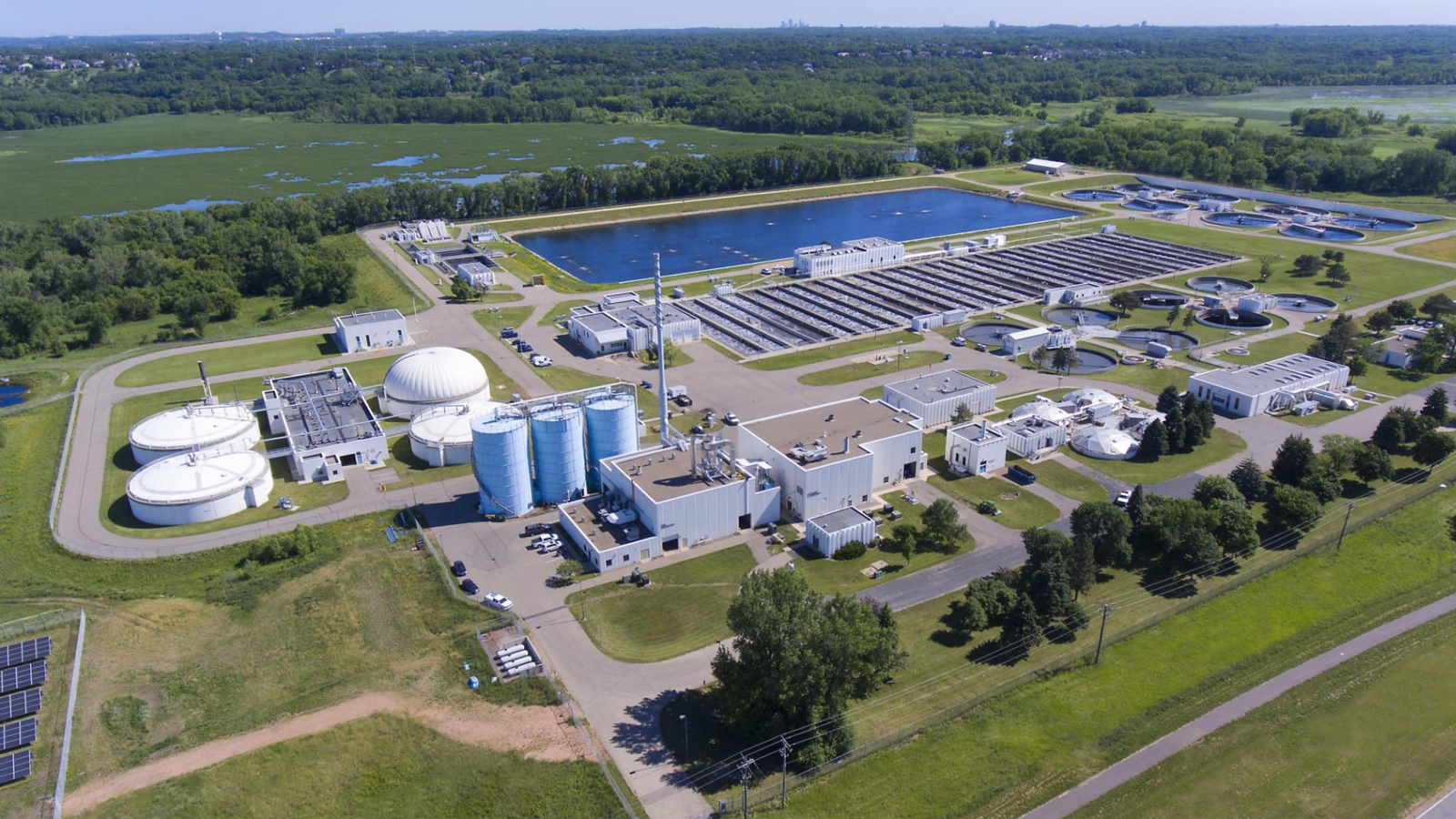
A coordinated cyberattack targeted over 30 Minnesota water utilities, disrupting operational technology systems. The Minnesota IT Services agency is working with federal and state partners to investigate and fortify the security of the state's critical infrastructure.
Imagine your water treatment plant's computer system got hacked. The hackers made it so the plant couldn't work properly, and people couldn't get clean water. This is what happened in Minnesota, where over 30 water treatment plants got hacked. The government is working to fix the problem and make sure it doesn't happen again.
Analysis
A Coordinated Cyberattack on Minnesota's Water Utilities
The recent cyberattack on over 30 Minnesota water utilities is a stark reminder of the vulnerability of critical infrastructure to cyber threats. The attack, which occurred on Sunday and Monday, July 26 and 27, targeted operational technology (OT) systems at local water utilities, causing disruptions to services and raising concerns about the safety of drinking water.
The Minnesota IT Services (MNIT) agency activated its cybersecurity incident response capabilities across the entire state in response to the attack. MNIT is working with federal, state, local, Tribal, and private-sector partners to investigate the incident and to fortify the security of Minnesota's critical infrastructure.
The agency has shared threat intelligence, provided guidance on response efforts and best practices, and helped affected utilities contain, investigate, and remediate damages from the attack. While the threat actor behind the Minnesota water systems cyberattacks remains unknown, government agencies note that critical infrastructure is often targeted by state-sponsored hackers for espionage or in preparation for disruptive and destructive activities in case of crisis or conflict.
Why Is This Attack Significant?
This attack is significant because it highlights the importance of robust security measures to prevent and respond to cyber threats. The attack also underscores the need for critical infrastructure organizations to isolate key OT systems to ensure continuity of critical services in the event of a cyberattack.
What Can Be Done to Prevent Such Attacks?
To prevent such attacks, critical infrastructure organizations must take a proactive approach to security. This includes implementing robust security measures, such as firewalls, intrusion detection systems, and encryption, to prevent unauthorized access to OT systems. Additionally, organizations must have a robust incident response plan in place to quickly respond to and contain the impact of a cyberattack.
Conclusion
The recent cyberattack on Minnesota's water utilities is a stark reminder of the vulnerability of critical infrastructure to cyber threats. It highlights the importance of robust security measures to prevent and respond to such incidents and underscores the need for critical infrastructure organizations to take a proactive approach to security.
Key points
- Hackers targeted over 30 Minnesota water utilities in a coordinated cyberattack.
- The attack disrupted operational technology systems, causing disruptions to services and raising concerns about the safety of drinking water.
- The Minnesota IT Services agency is working with federal and state partners to investigate and fortify the security of the state's critical infrastructure.
- The attack highlights the importance of robust security measures to prevent and respond to cyber threats.
- Critical infrastructure organizations must take a proactive approach to security to prevent similar attacks.
If the government and water utilities take the necessary steps to improve security and prevent similar attacks, the risk of a major disruption to water services can be minimized. Additionally, the incident response plan put in place by MNIT can help to quickly respond to and contain the impact of a cyberattack.
If the threat actor behind the attack is not identified and brought to justice, it is likely that similar attacks will occur in the future, putting the safety of drinking water at risk. Additionally, the lack of robust security measures in place at some water utilities may make them more vulnerable to future attacks.