‘Halloweenmas’: how the spooky one-nighter turned into a month-long spectacular
Halloween is transforming from a single-night event into a month-long "Halloweenmas" celebration, mirroring Christmas traditions with increased consumer spending on decorations, gifts, and themed activities. This shift is driven by retailers and younger generations seekin…
Intelligence analysis by Gemini 2.5 Flash
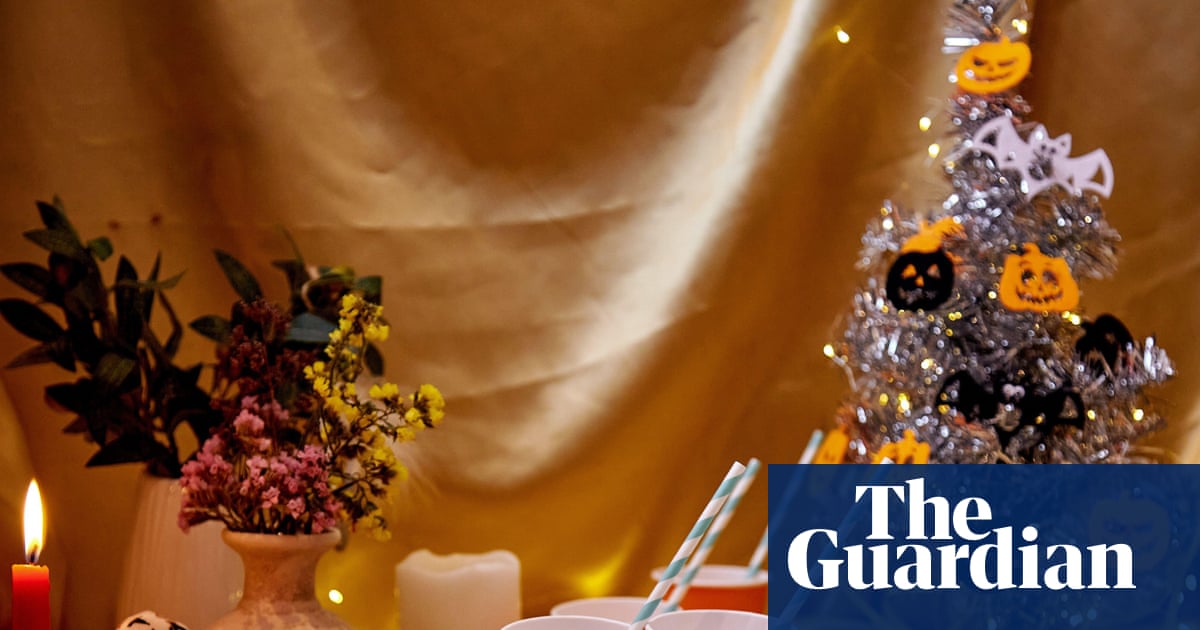
The traditional one-night Halloween celebration has evolved into a month-long "Halloweenmas," characterized by extensive home decorating, gifting, and themed events, much like Christmas but with fewer rules. Retailers are capitalizing on this trend, with significant growth in related product sales, particularly among young Britons who use the season for self-expression and experience-…
Imagine Halloween used to be just one night where you'd dress up and get candy. Now, it's like a mini-Christmas that lasts a whole month! Shops are selling spooky trees, wreaths, and lots of decorations, and people are having parties and even giving small gifts. It's all about having fun and being creative without the big stress of Christmas, and young people especially love showing off their cool costumes and decorations on social media.
Analysis
The evolution of Halloween from a single-night event to a month-long "Halloweenmas" phenomenon represents a notable shift in consumer culture and retail strategy. This extended celebration, characterized by elaborate decorations, themed activities, and even gifting, mirrors the commercialization and social engagement typically associated with Christmas, yet without the same perceived pressures. The trend is particularly pronounced in the UK, where retailers are actively promoting and benefiting from this expanded seasonal interest.
Faire
The online wholesale platform Faire has observed a dramatic surge in "Halloweenmas" related products. Analysis of thousands of sales transactions on their platform revealed an astounding increase of over 500% in such products within just four years, from 425 items in 2021 to 2,632 in 2025. This data underscores the rapid expansion of the market for Halloween-themed goods, indicating a robust supply chain response to growing consumer demand. The biggest areas of growth identified by Faire include trees, wreaths, and ornaments, suggesting a move towards more elaborate and sustained home decor.
Wilko
Budget retailer Wilko has identified Halloween trees as a major decorating trend for 2026, further solidifying the "Halloweenmas" concept. The company reported a 200% increase in sales of artificial trees in September compared to the previous year, highlighting consumers' willingness to invest in dedicated seasonal decor. Wilko emphasizes the lack of rigid rules associated with Halloween trees, allowing for diverse styles from "all-out" displays to simpler, spooky accessories. This flexibility likely contributes to the trend's appeal, making it accessible to a broader range of consumers.
Mintel
Research from Mintel, a prominent research group, provides deeper insights into the consumer motivations behind this trend. Senior retail analyst Emily Viberg notes that Halloween is "no longer just about costumes and sweets," but rather a "full season of engagement, gifting and themed activities." Mintel's data indicates that young Britons, specifically those aged 16 to 34, are key drivers of this shift, over-indexing in purchases of fancy dress, cosmetics, and decorations. This demographic views Halloween as an opportunity for self-expression and experimentation, with social media playing a crucial role in accelerating viral costume trends, makeup tutorials, and home decor inspiration, thereby extending the season's influence beyond October.
Key points
- Halloween has evolved into a month-long "Halloweenmas" celebration, mirroring Christmas traditions.
- Online wholesale platform Faire reported a 500% increase in Halloweenmas products from 2021 to 2025.
- Budget retailer Wilko noted a 200% rise in artificial tree sales in September, driven by Halloween tree trends.
- Young Britons (16-34) are key drivers, using the season for self-expression and experience-led spending.
- Social media significantly accelerates this trend, influencing consumer spending on costumes, makeup, and decor.
The expansion of Halloween into a month-long "Halloweenmas" celebration presents a significant economic boon for the retail sector, driving increased sales of decorations, costumes, and party supplies. This prolonged period of consumer engagement and spending offers retailers new opportunities for revenue growth and innovation, potentially stabilizing seasonal sales fluctuations. It also fosters creativity and social interaction among consumers, enhancing community engagement.
The rapid commercialization of Halloween could lead to consumer fatigue and a backlash against perceived overspending, potentially diluting the holiday's original appeal. There's a risk that the pressure to participate in elaborate "Halloweenmas" celebrations, fueled by social media, could create financial strain for some households. This extended focus on one holiday might also divert spending from other retail categories or traditional seasonal events.