Harvey Nichols warns it could collapse without rescue deal, as bidders circle
Luxury department store Harvey Nichols has warned it faces collapse within a year without new investment, as Mike Ashley's Frasers Group emerges as the frontrunner in a potential rescue deal.
Intelligence analysis by Gemini 2.5 Flash
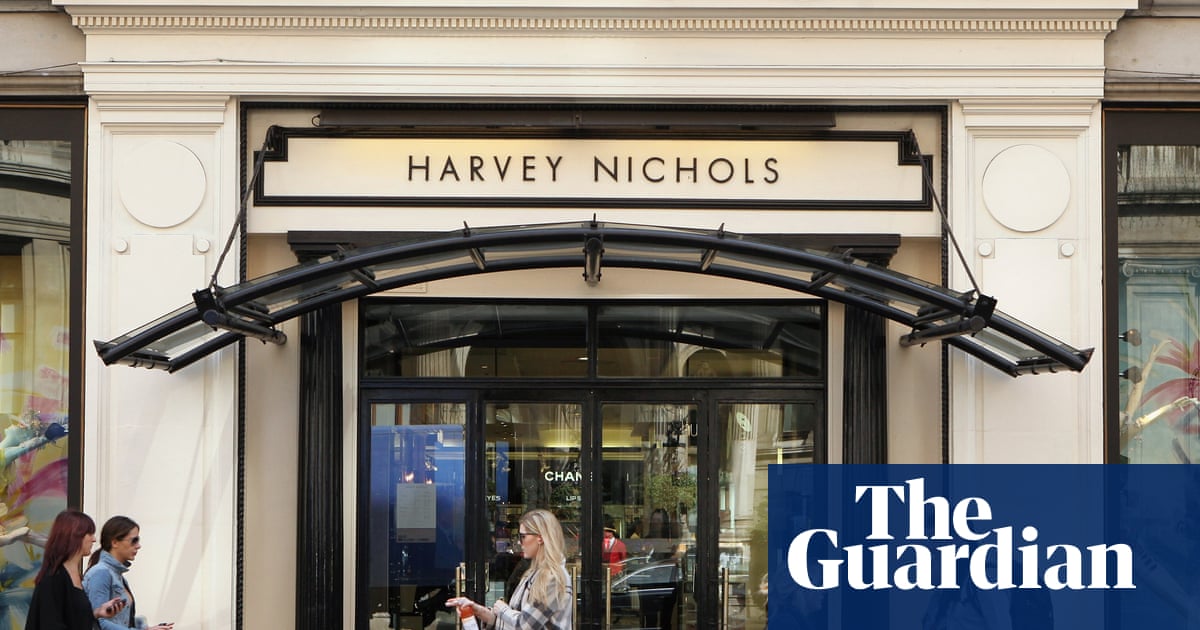
Harvey Nichols, once a symbol of luxury retail, is struggling with increased competition and the rise of online shopping, exacerbated by the pandemic's impact on foreign tourism. Its owner, Dickson Poon, put it up for sale, with Frasers Group reportedly offering around £40m, while other interested parties like Next have withdrawn.
Imagine a fancy toy store that used to be super popular, even famous from TV shows, but now kids mostly buy toys online or from newer, cooler stores. This old toy store, Harvey Nichols, is running out of money and might have to close unless someone buys it and gives it a big makeover. A company called Frasers Group, which owns lots of other shops, wants to buy it for about £40 million and try to make it popular again, maybe by changing some of its smaller stores.
Analysis
Harvey Nichols, a venerable name in British luxury retail, finds itself at a critical juncture, facing potential collapse without a significant capital injection. The company's financial accounts for the year to March 2025 reveal a substantial loss of £105m after tax, primarily due to writing off inter-company loans. This dire financial state has led directors to declare the company is not a 'going concern,' indicating an inability to meet its financial obligations within the next year without new funding.
The struggles of Harvey Nichols are emblematic of broader shifts within the retail industry. The rise of e-commerce, coupled with intense competition from other shopping destinations, has eroded the market share of traditional department stores. The pandemic further exacerbated these issues, particularly by curtailing the influx of high-spending foreign tourists, a crucial demographic for luxury retailers like Harvey Nichols. The brand, once synonymous with aspirational luxury and even featured in popular culture, now grapples with the imperative to modernize its business model and appeal to contemporary consumers.
Frasers Group
Mike Ashley's Frasers Group has positioned itself as the leading contender to acquire Harvey Nichols, reportedly with an offer of approximately £40m. Ashley, known for his aggressive acquisition strategy of struggling premium brands, views Harvey Nichols as being in a "death spiral" but sees potential for a turnaround. His plan involves retaining key flagship stores in Knightsbridge and Edinburgh, while potentially rebranding other locations under existing Frasers Group banners such as House of Fraser or Flannels. This approach suggests a strategic integration into Frasers' diverse retail portfolio, leveraging existing infrastructure and brand recognition to revitalize the acquired assets.
Frasers Group's interest underscores a broader trend of consolidation within the retail sector, where larger, more diversified groups are acquiring distressed brands to expand their market presence and rationalize operations. Ashley's track record with Sports Direct and other acquisitions indicates a willingness to undertake significant restructuring to achieve profitability. The potential acquisition of Harvey Nichols would further solidify Frasers Group's position in the premium retail segment, adding a heritage luxury brand to its growing collection.
Dickson Poon
Dickson Poon, the Hong Kong-based owner of Harvey Nichols, initiated the sale process in June, signaling his intent to divest from the struggling retailer. Poon acquired Harvey Nichols in 1991 for £53m, overseeing a period of expansion that included opening branches outside London, such as in Leeds in 1996. Under his ownership, the chain also expanded internationally with stores in Riyadh, Dubai, Hong Kong, and Kuwait, alongside a series of restaurants. His decision to put the company up for sale, and his subsequent retirement as a director in May, marks the end of a significant era for the department store.
Poon's tenure saw Harvey Nichols navigate various economic cycles and retail transformations. However, the recent financial difficulties, particularly the inability to generate profit since the pandemic, likely prompted the decision to seek new ownership. The reported £40m bid from Frasers Group suggests a valuation significantly lower than Poon's original purchase price, reflecting the substantial challenges and diminished market position of the brand in recent years. The sale represents a strategic exit for Poon, allowing a new owner to attempt a revitalization.
£40m
The reported £40m offer from Frasers Group for Harvey Nichols highlights the significant decline in the department store's market value. This figure is notably less than the £53m Dickson Poon paid for the company in 1991, illustrating the severe financial distress and reduced asset value over three decades. The valuation reflects the company's substantial losses, its declaration as a non-going concern, and the challenging retail environment it operates within. The relatively modest price tag for a once-iconic luxury brand underscores the urgency of the sale and the perceived risks associated with its turnaround.
For Frasers Group, a £40m acquisition represents a calculated risk, potentially offering a valuable brand at a distressed price. The investment would be aimed at leveraging Harvey Nichols' remaining brand equity and prime locations, integrating them into Frasers' larger operational framework to achieve economies of scale and cross-promotion. The low acquisition cost could provide Frasers Group with greater flexibility in investing in necessary restructuring and modernization efforts. However, the "huge challenge" of turning around a company in a "death spiral," as described by Mike Ashley, indicates that the £40m is just the initial step in what would likely be a much larger financial and operational commitment.
Key points
- Harvey Nichols has warned it could collapse within a year without new investment, reporting a £105m loss after tax for the year to March 2025.
- Mike Ashley's Frasers Group is the frontrunner to acquire the luxury department store chain for an estimated £40m.
- The retailer has struggled to adapt to increased competition and the rise of online shopping, exacerbated by the pandemic's impact on foreign tourism.
- Frasers Group plans to retain flagship stores in Knightsbridge and Edinburgh, potentially rebranding other locations under its House of Fraser or Flannels banners.
- Dickson Poon, the Hong Kong-based owner who bought Harvey Nichols in 1991 for £53m, put the company up for sale in June and retired as a director in May.
If Frasers Group successfully acquires Harvey Nichols, its extensive retail experience and financial backing could provide the necessary investment and strategic direction to revitalize the brand. By integrating Harvey Nichols into its portfolio and potentially rebranding some stores, Frasers Group might restore profitability and secure the future of this historic luxury retailer.
Should the rescue deal with Frasers Group fall through, or if the proposed turnaround strategy proves insufficient, Harvey Nichols faces the very real prospect of collapse. The ongoing challenges from online retail and competition, coupled with its significant financial losses, could lead to store closures and job losses.