Head of Commons media committee denies writing article accusing BBC of bias
Caroline Dinenage says she did not write a ConservativeHome article accusing the BBC of bias. ConservativeHome says it believes the piece was genuine and keeps it online.
Intelligence analysis by GPT-5.4 Mini
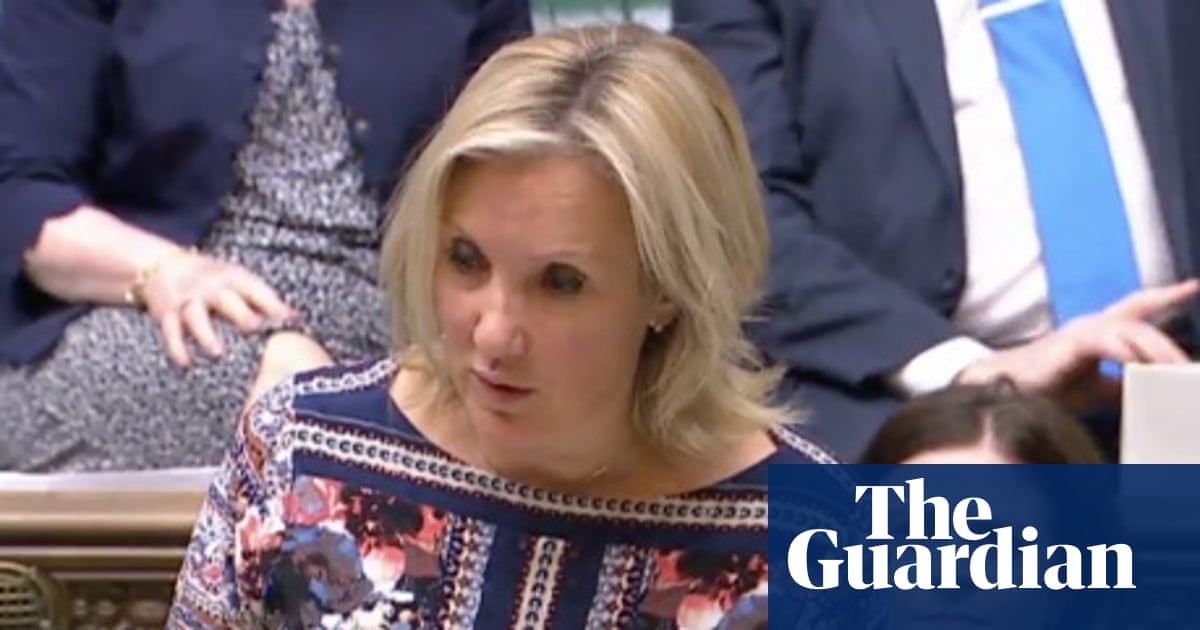
A Guardian report says a ConservativeHome article published under Caroline Dinenage’s name accused the BBC of institutional and anti-Israel bias, but Dinenage’s office now says she did not write it and does not hold some of the views attributed to her. ConservativeHome stands by the piece while saying it cannot trace exactly who sent it.
A article was posted using a politician’s name and said the BBC was biased. Later, she said she did not write it. It is like a note showing up in a class folder with someone’s name on it, but nobody can prove who really put it there.
Analysis
What happened
The Guardian says Caroline Dinenage, the Conservative MP who chairs the Commons culture, media and sport committee, is denying that she wrote an article published on ConservativeHome last November. That article took a hard line against the BBC, arguing that Michael Prescott’s claims pointed to a pattern of institutional bias inside BBC News and current affairs, and alleging “deep anti-Israel bias.”
Why the dispute matters
The timing gives the piece extra weight. The article appeared in the middle of a broader BBC crisis that had already led to the resignations of director general Tim Davie and head of news Deborah Turness after criticism from Prescott, a former external adviser. A politician who helps scrutinise the broadcaster was therefore being quoted in a way that seemed to support the same line of attack.
But Dinenage’s office later told the BeebWatch podcast that neither she nor her team wrote the article, and that it did not accurately reflect her views. The podcast host, Roger Bolton, said he had already challenged Dinenage on the piece during an interview, but the disputed segment was removed after her office raised the issue.
What ConservativeHome says
ConservativeHome says it cannot now identify exactly who sent in the article, but believes it was received through normal processes and published in good faith. The site says the piece remains online as a record.
The unresolved question is whether the article was written by Dinenage, approved by her, or submitted by someone else in her orbit. The Guardian report says the original author is still unknown. That uncertainty matters because it exposes how opinion articles under senior political names can blur the line between authorship, approval, and attribution.
Key points
- The Guardian says an article on ConservativeHome was published under Caroline Dinenage’s name last November.
- The piece accused the BBC of institutional bias and deep anti-Israel bias.
- Dinenage’s office later said she did not write the article and that it did not reflect all of her views.
- ConservativeHome says it cannot identify exactly who sent the article, but believes it was published in good faith.
- The dispute highlights how attribution and approval can become blurred in political opinion writing.
The dispute could push political websites and commentators to tighten checks on who actually writes and approves opinion pieces. If the confusion is resolved, it may also improve trust in how public statements are attributed.
If the authorship remains unresolved, the episode could deepen suspicion around political commentary and weaken confidence in published opinion pieces. It may also leave the BBC-bias debate clouded by questions about process rather than substance.