Healey to shield low-income pensioners from income tax in the Budget
Chancellor John Healey will introduce a new tax allowance in his upcoming Budget to prevent low-income pensioners from paying income tax on their state pension, which is set to rise above the personal tax allowance.
Intelligence analysis by Gemini 2.5 Flash

The government plans to protect pensioners whose sole income is the state pension from being taxed, despite an expected 3.9% increase that would push the full state pension above the current personal tax allowance. This move comes as opposition parties like the Conservatives and Reform UK unveil their own alternative budget proposals.
Imagine if your piggy bank money went up a little bit, but then the grown-ups said you might have to give a tiny bit of it back as a 'tax' just because you had a bit more. The government is saying, 'No, if your piggy bank only has money from your pension, we'll make a special rule so you don't have to give any of it back, even if it goes up a little.' This helps older people keep all their pension money without extra fuss.
Analysis
Chancellor John Healey's inaugural Budget is set to include a significant measure aimed at protecting vulnerable pensioners. The core of this policy is a new tax allowance specifically designed for low-income pensioners, ensuring that the state pension remains exempt from income tax. This intervention is crucial because the full, flat-rate state pension is projected to increase by 3.9% to £13,036.40 annually from April, surpassing the current £12,570 personal tax allowance. Without this new allowance, many pensioners would face an unexpected tax liability, creating both financial strain and an administrative burden for those who primarily rely on their state pension.
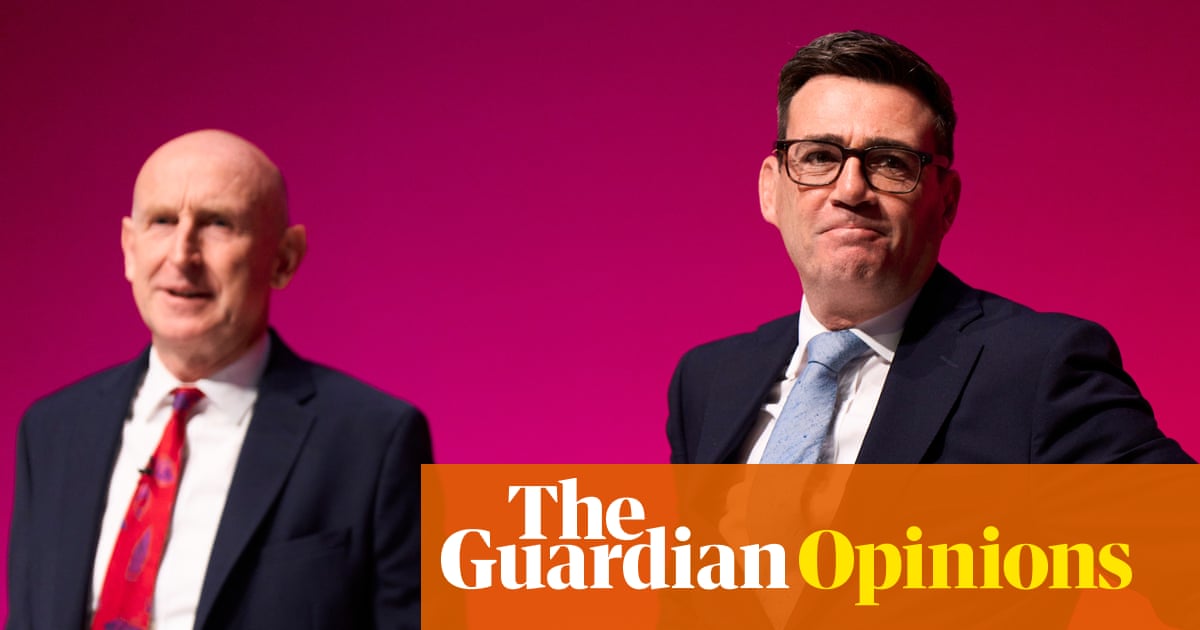
John Healey
John Healey's approach in this Budget signals a focus on targeted support for specific demographic groups, particularly those on fixed incomes. His allies emphasize that the plan is not just about financial relief but also about simplifying the tax system for these individuals, preventing them from having to navigate complex tax procedures for a relatively small amount. This move is positioned against a backdrop of broader economic challenges and differing fiscal philosophies from other political parties. The Chancellor's decision to prioritize this protection underscores a commitment to social welfare, even as the Treasury acknowledges that the overall scale of tax and spending announcements in this Budget will be more modest compared to recent years.
£13,036.40
The specific figure of £13,036.40 represents the projected annual full state pension from April, a critical threshold that necessitates the Chancellor's intervention. This amount, while an increase, would push many pensioners into a taxable bracket if not for the new allowance. The government's commitment to not taxing those whose only income is the state pension is being fulfilled through this mechanism, directly addressing the implications of the state pension's rise above the personal allowance. The details of how many pensioners will be affected by this new allowance are still pending confirmation from the Treasury, but the principle is clear: to maintain the untaxed status of the state pension for its recipients.
Reform UK
The Budget announcement by Healey is unfolding amidst a competitive political landscape, with opposition parties like Reform UK and the Conservatives presenting their alternative economic visions. Reform UK, for instance, is advocating for 60 policies aimed at job creation, including controversial projects such as approving the Rosebank oil field, which Healey is reportedly in favour of. The Conservatives are pushing for cuts to green taxes, red tape, and benefits to reduce energy bills. Meanwhile, the Liberal Democrats are calling for a new growth and defence partnership with the EU, including rejoining the single market, to ease the overall tax burden. The Green Party has urged Healey to make the UK more affordable by funding energy bill support through ending tax relief for data centres. These contrasting proposals highlight the diverse economic priorities and challenges facing the government, making Healey's targeted pension policy a distinct element within a broader debate on fiscal strategy.
Key points
- Chancellor John Healey will introduce a new tax allowance for low-income pensioners in his first Budget.
- This measure aims to prevent the state pension from being liable for income tax, despite an expected 3.9% increase.
- The full, flat-rate state pension is projected to rise to £13,036.40 a year from April, exceeding the £12,570 personal tax allowance.
- The government had previously pledged not to tax individuals whose only income is the state pension.
- The announcement comes as opposition parties, including the Conservatives and Reform UK, present their own budget proposals.
The new tax allowance will provide direct financial relief to low-income pensioners, ensuring their state pension remains untaxed and protecting their purchasing power. It also simplifies the tax system for this group, reducing administrative burdens and potential confusion.
While beneficial for low-income pensioners, the measure is a targeted fix and may not address broader concerns about the overall tax burden or the sustainability of pension provisions. Opposition parties' alternative proposals suggest a lack of consensus on wider economic strategies, potentially leading to ongoing policy debates.