How will pedestrianisation of UK’s most famous shopping street work in practice?
London's Oxford Street is undergoing a £150m pedestrianisation, closing a significant stretch to all vehicles, including buses and bikes, 24/7. This initiative aims to create a cleaner, more pleasant shopping environment and is seen as a political victory for Mayor Sadiq …
Intelligence analysis by Gemini 2.5 Flash
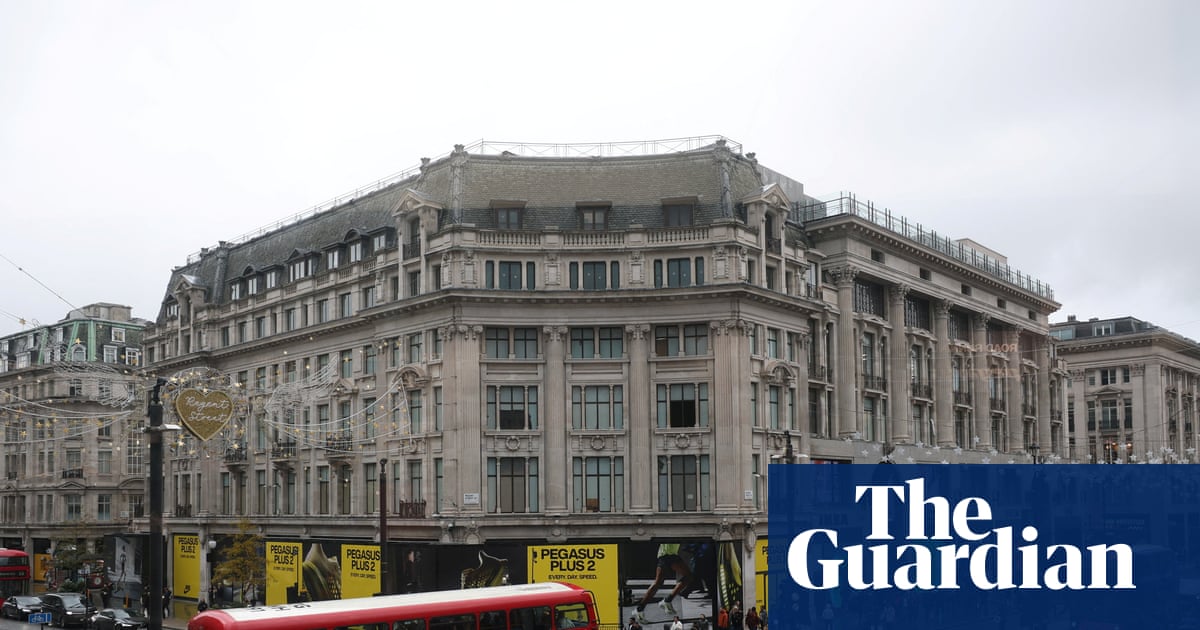
A major section of London's iconic Oxford Street is set to become vehicle-free, marking a significant shift in urban planning for one of the world's busiest shopping destinations. The £150m government-backed project, championed by London Mayor Sadiq Khan, extends existing private car bans to include all motorized traffic and bicycles, aiming to transform the area into a public plaza.
Imagine a super busy street in London where lots of grown-ups go shopping. It's usually full of noisy cars, buses, and even bikes, making it hard to walk around. Now, the city is turning a big part of it into a giant walking-only path, like a huge park without grass, so people can shop and hang out without worrying about traffic. They're even adding trees and comfy benches, hoping it will make everyone happier and the air cleaner, just like when you close off a street for a block party, but all the time!
Analysis
£150m Scheme
The pedestrianisation of Oxford Street is underpinned by a substantial £150 million government-backed scheme, reflecting a significant public investment in urban regeneration. This funding is crucial for implementing the extensive changes required, from rerouting major bus lines to installing new street furniture and public amenities. The scale of this financial commitment highlights the perceived economic and environmental benefits associated with transforming such a high-profile commercial artery.
The scheme's ambition extends beyond simply removing vehicles; it aims to fundamentally alter the character of Oxford Street. By creating a more pedestrian-friendly environment, the project seeks to enhance the shopping experience, attract more visitors, and potentially boost retail sales for the flagship stores located along the thoroughfare. The long-term economic viability of this investment will depend heavily on its ability to deliver on these promises, making it a closely watched case study for urban planners and economists alike.
Oxford Street
The transformation of Oxford Street involves closing nearly 0.6 miles of its length to all traffic, including buses, black cabs, and even bicycles, for 24 hours a day, seven days a week. This radical change targets the most famous section of the street, home to department stores like John Lewis and Selfridges, aiming to create a safer and more enjoyable space for the millions of visitors it attracts annually. Deliveries for businesses will be restricted to outside these hours, utilizing specific access routes to minimize disruption.
The physical changes planned for the street are extensive, including raising the road surface to pavement level in certain areas to create public squares and event spaces. Early next year, more trees and seating are slated for installation, alongside improved street furniture and lighting. These enhancements are designed to foster a public plaza atmosphere, encouraging outdoor dining and leisure, which could significantly alter the street's commercial appeal and public utility.
Sadiq Khan
London Mayor Sadiq Khan has been a key proponent of the Oxford Street pedestrianisation, framing it as a central component of his broader clean air initiatives for the city. His political victory in securing central government backing to overcome local council objections underscores the strategic importance placed on this project. The Mayor's vision extends to creating a greener, more pleasant city centre, aligning with contemporary urban planning trends focused on sustainability and liveability.
The outcome of this scheme holds significant implications for Khan's legacy and future urban policy in London. Its success could pave the way for similar pedestrianisation projects in other parts of the capital and serve as a model for cities worldwide, which are already observing London's approach. Conversely, any significant challenges or negative impacts could temper enthusiasm for such large-scale transformations, influencing future decisions on urban transport and retail infrastructure.
Key points
- A 0.6-mile stretch of London's Oxford Street will become vehicle-free 24/7.
- The ban extends to all motorized traffic, including buses and black cabs, as well as bicycles.
- The £150m government-backed scheme aims to create a public plaza with improved amenities.
- Bus routes will be diverted to parallel streets, and new taxi ranks will be established nearby.
- The project is championed by Mayor Sadiq Khan as part of clean air initiatives, with future phases dependent on its success.
The pedestrianisation could significantly enhance Oxford Street's appeal as a global shopping destination, attracting more visitors and boosting retail sales for businesses. It promises a cleaner, greener, and more enjoyable public space, potentially improving air quality and fostering a vibrant urban environment that serves as a model for other major cities. The improved accessibility for pedestrians and disabled individuals could also lead to a more inclusive city experience.
The extensive traffic diversions, particularly for buses and taxis, could lead to increased congestion on surrounding streets, negatively impacting travel times and local businesses not on the pedestrianised stretch. There's a risk that some retailers might suffer from reduced accessibility for certain customer groups, and the success of the scheme hinges on effective management of deliveries and alternative transport solutions. The long-term economic benefits are also uncertain and dependent on public acceptance and adaptation.