Heathrow airport roads reopen after flooding from burst water main
Flooding from a burst water main on a ring road at Heathrow airport restricted access to Terminals 2 and 3 on Saturday morning. The leak has been contained and the affected areas are operating as normal.
Intelligence analysis by Llama
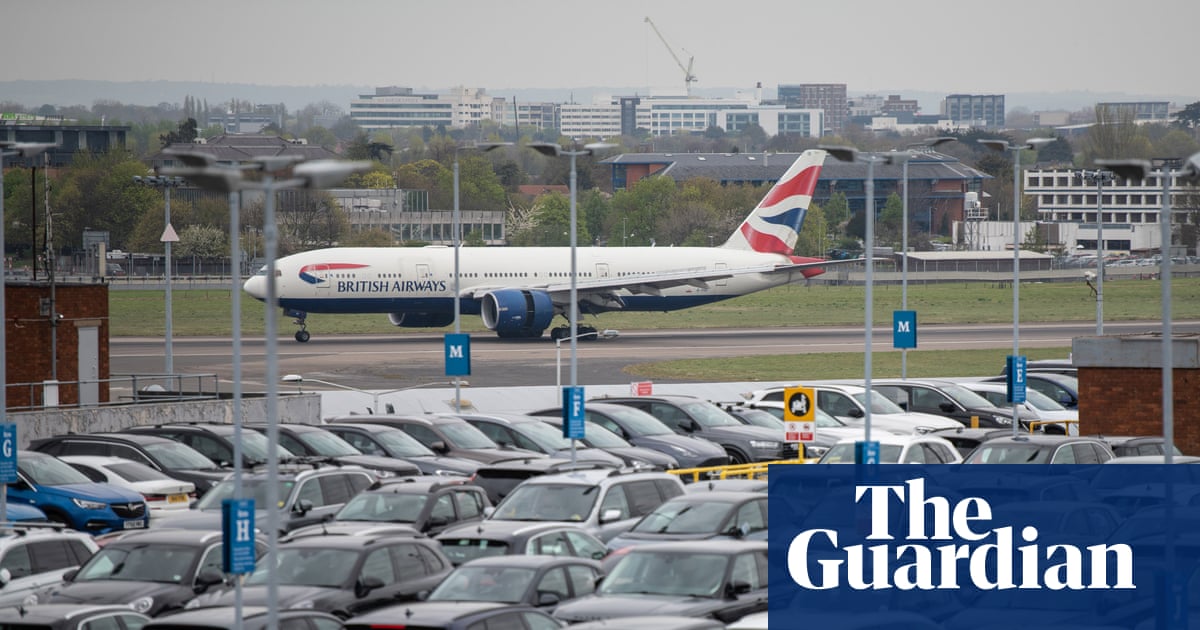
Heathrow airport experienced disruptions due to flooding from a burst water main, which restricted access to Terminals 2 and 3. The airport has since reopened and is operating as normal.
Imagine you're at the airport, and a big pipe bursts, causing flooding. You can't drive to your terminal, so you have to take a train or bus instead. It's like a big traffic jam, but with water instead of cars.
Analysis
Heathrow Airport's Disruption: A Cautionary Tale of Infrastructure Resilience
The recent flooding incident at Heathrow airport serves as a stark reminder of the importance of investing in infrastructure resilience. The airport's central terminal area was severely impacted, with water preventing road access to Terminals 2 and 3. Passengers were forced to rely on rail and tube services, highlighting the need for flexible transportation options during peak travel periods.
Heathrow's experience underscores the importance of having robust contingency plans in place to mitigate the effects of unexpected events. The airport's ability to contain the leak and restore normal operations within a short timeframe is a testament to its preparedness and infrastructure resilience.
The Human Impact: Travelers' Frustration and Resilience
The disruption at Heathrow airport had a significant impact on travelers, with many experiencing frustration and delays. Julie Hamilton, a passenger who was due to fly to New Jersey, was forced to navigate through Terminal 5 and take a train to Terminal 2. Her experience highlights the challenges faced by travelers during such events.
The Economic Implications: A Cautionary Tale of Infrastructure Investment
The disruption at Heathrow airport also has significant economic implications. The airport's busiest day of the year, with over 267,000 passengers, was severely impacted. The incident serves as a cautionary tale of the importance of investing in infrastructure resilience to minimize the economic impact of unexpected events.
Key points
- Flooding from a burst water main restricted access to Terminals 2 and 3 at Heathrow airport.
- The airport has since reopened and is operating as normal.
- Passengers were forced to rely on rail and tube services due to the disruption.
- The incident highlights the importance of having contingency plans in place for unexpected events.
- Heathrow's experience underscores the need for investing in infrastructure resilience.
If the airport can recover quickly from this disruption, it may be able to minimize the impact on travelers and the economy. Additionally, the incident may prompt the airport to invest in infrastructure resilience, making it more prepared for future events.
The disruption at Heathrow airport highlights the potential risks of infrastructure failure, which could have significant economic and social implications. If the airport is unable to recover quickly, it may lead to further delays and cancellations, causing frustration and financial losses for travelers.