Heavy gunfire in Somali capital as row over election delay escalates
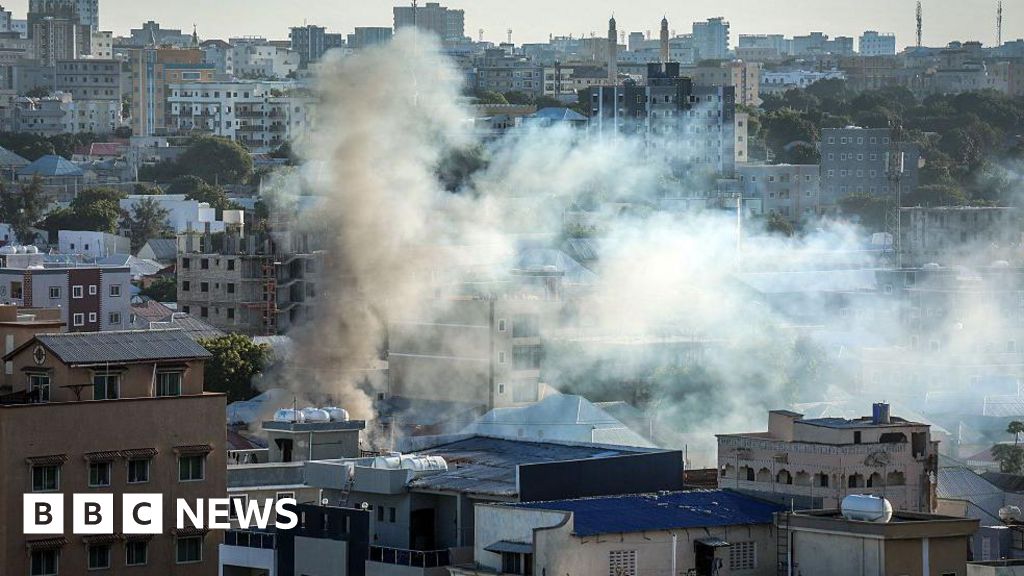
Government forces and opposition fighters exchanged heavy gunfire in Mogadishu as a dispute over delayed elections worsened. The city later calmed, but the confrontation raised fears of deeper instability.
Intelligence analysis by GPT-5.4 Mini
The fight in Mogadishu grew out of a constitutional dispute after President Hassan Sheikh Mohamud's term expired and was extended by a year. The opposition calls that illegal and says planned protests were attacked before they could begin.
Somalia's capital had a scary night of gunfire because leaders are fighting over when elections should happen. It's like a school arguing over who gets to pick the class captain, except people with guns are involved, which makes it much more dangerous.
Analysis
What happened
Heavy gunfire broke out in Mogadishu after tensions over Somalia's election delay escalated into armed clashes between government forces and opposition fighters. Residents reported shooting across several neighbourhoods through the night, while police said they were carrying out a “large-scale security operation” against armed militias.
The political dispute
The immediate trigger is the extension of President Hassan Sheikh Mohamud's term by one year after it ended on 15 May. The opposition says the move is unconstitutional and has rejected related changes to the electoral process, including the March constitutional amendment and new rules on parties and electoral commissioners.
Former Prime Minister Hassan Ali Khaire said he and other leaders were attacked while preparing for Thursday's planned peaceful demonstrations. Former President Sharif Sheikh Ahmed, who backs the opposition, said they would not be intimidated.
Wider stakes
Somalia has not held a one-person, one-vote election since 1969, and its political system still relies heavily on clan elders choosing lawmakers who then pick the president. Mohamud has been trying to move the country toward direct elections, but the article shows that the transition is deeply contested.
The number of casualties was not yet known. The airport remained open, and the capital was described as largely calm later on, though sporadic gunfire was still reported in some districts. The US embassy, the regional bloc Igad, and the European Union all called for restraint and dialogue.
Key points
- Heavy gunfire broke out in Mogadishu as the election-delay dispute escalated.
- The opposition says the president's term extension is unconstitutional and had called for protests.
- Police said they were targeting armed militias that launched mortar attacks in some areas.
- The US, Igad, and the EU urged restraint and a peaceful political समाधान through dialogue.
- The city later calmed, but sporadic gunfire was still heard in some districts.
If the sides accept pressure to talk, they could still reach a consensus on an election roadmap. That could reduce street violence and keep Somalia moving, however slowly, toward a more direct voting system.
If the dispute hardens, more clashes could follow in Mogadishu and make it harder to hold any credible election. A longer standoff could deepen distrust between the government and opposition and raise the risk of wider instability.