Here's Why You Shouldn't Buy New Headphones Without Bluetooth Multipoint
Bluetooth multipoint lets headphones stay connected to multiple devices at once and is now a near-essential feature. The article explains how it works, why it isn't part of the Bluetooth spec, and where implementations still fall short.
Intelligence analysis by Llama
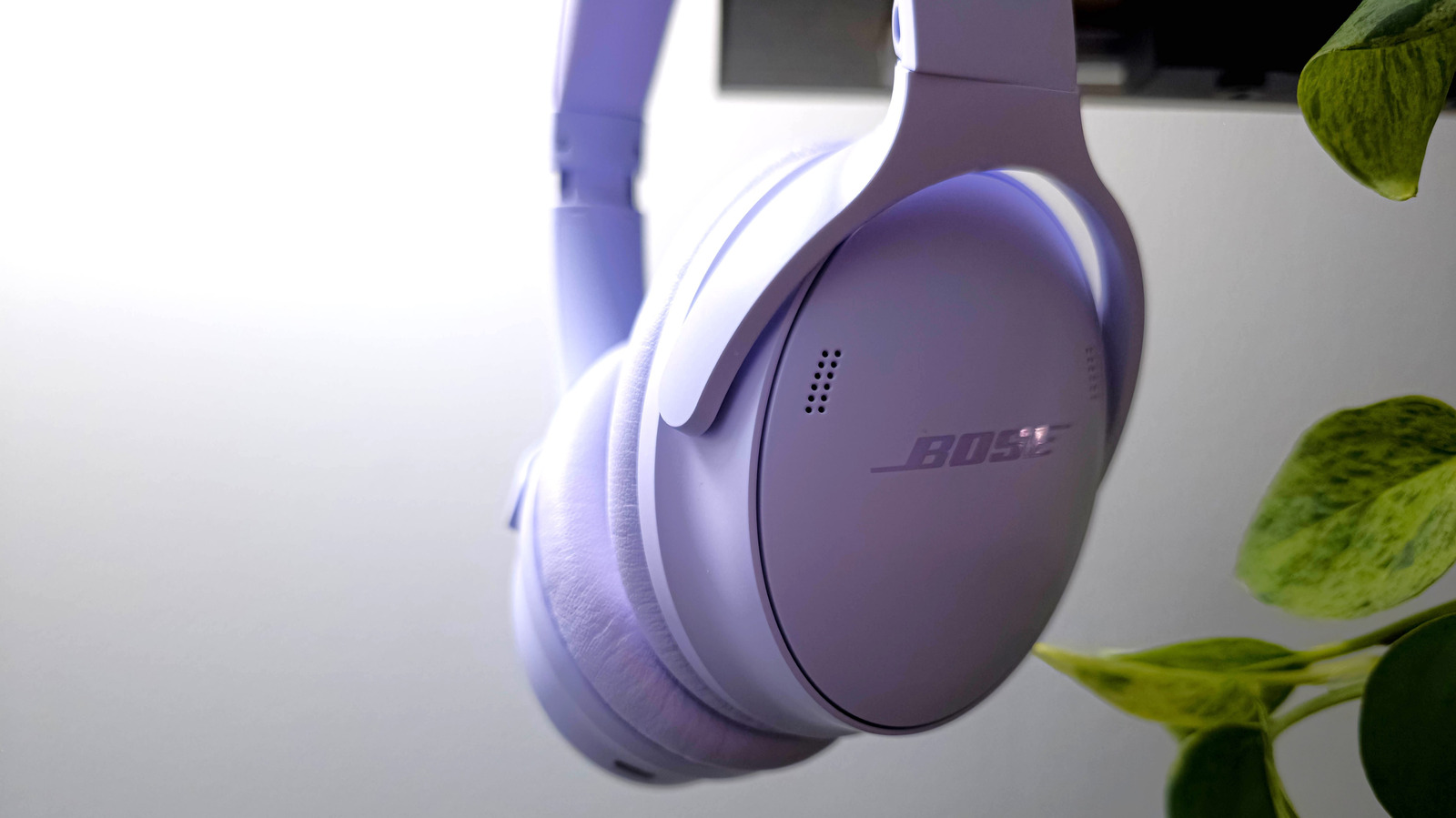
Engadget argues that Bluetooth multipoint, the ability to stay connected to two devices at once, is a non-negotiable feature for most headphone buyers in 2026. The piece explains how multipoint works under the hood, why it remains a manufacturer-added feature rather than a Bluetooth standard, and how Apple's and Samsung's proprietary versions trade openness for reliability.
Bluetooth multipoint is like having headphones that can listen to two gadgets at the same time, like a tablet and a phone. When you stop using one and start the other, the headphones switch over automatically. It is super handy, but it can get tripped up if both gadgets try to play sound at once.
Analysis
The friction tax of single-point Bluetooth
For most of Bluetooth's history, connecting a pair of wireless headphones to a new device meant digging into settings menus, forgetting old pairings, and hoping the protocol cooperated. The article frames this as an unavoidable cost of the standard, noting that finicky connections remain a defining trait even as new generations roll out. Multipoint exists specifically to absorb that friction by holding simultaneous connections and arbitrating which audio source reaches the listener's ears at any given moment.
The practical payoff shows up in everyday moments. According to the piece, a user can be listening to music on a laptop, take a phone call without touching a settings menu, and return to the laptop afterward. The author argues that once someone has experienced that flow, going back to single-point Bluetooth feels like a step backward, which is why multipoint is increasingly a must-have rather than a nice-to-have.
Why multipoint sits outside the Bluetooth spec
A key clarification in the article is that multipoint is not a Bluetooth standard at all. It is logic that manufacturers build on top of the Bluetooth stack, which explains why support is inconsistent even among flagship products. Bluetooth 4.0 added the underlying ability to handle multiple streams, but deciding which stream wins, and how to handle interruptions, is left to each headphone maker.
That architectural choice has real consequences for users. The article notes that Bluetooth cannot mux or sum multiple audio streams together, so multipoint only arbitrates priority rather than mixing audio. Notification dings, autoplay videos, and incoming calls can hijack the active stream, sometimes even when media volume is set to zero. The author recommends testing multipoint behavior in-store or within the return window because implementations vary widely across brands and host devices.
Apple's walled garden and the cost of bespoke multipoint
The article highlights a split strategy among the biggest players. Companies like Sony and Bose implement multipoint as a general-purpose feature, hoping it works across any phone, laptop, or tablet a customer pairs. Apple and Samsung instead ship modified multipoint that is engineered to work exclusively with their own products, including iPhones, iPads, Macs, and Galaxy phones, tablets, and laptops.
The author concedes that this closed approach is often perceived as user-hostile but argues it produces more reliable switching in practice, because Apple and Samsung control how Bluetooth is implemented across their own hardware. The trade-off, however, is meaningful: shoppers who want a smooth multipoint experience effectively choose a hardware ecosystem, not just a pair of headphones. That dynamic is reshaping how consumers think about wireless audio purchases, turning a feature comparison into an ecosystem commitment.
Key points
- Bluetooth multipoint lets headphones stay connected to two devices at once and switch audio automatically, a feature the article calls a non-negotiable for most buyers.
- Multipoint is not part of the Bluetooth specification; it is logic manufacturers build on top of the stack, which is why support varies so widely.
- Bluetooth cannot mix multiple audio streams, so multipoint only picks a priority stream, meaning notifications and autoplay can hijack playback.
- Apple's AirPods and Samsung's Galaxy Buds use proprietary multipoint that only works within their own ecosystems but tends to behave more reliably.
- The article recommends testing multipoint behavior in-store or within the return period because implementations differ across brands and host devices.
As more manufacturers refine their multipoint implementations and the broader Bluetooth ecosystem matures, users can expect fewer abrupt interruptions and smoother handoffs between devices. The success of Apple's and Samsung's proprietary approaches may also push competitors to invest in deeper integration with popular host platforms.
Because multipoint remains a manufacturer patchwork rather than a standard, shoppers will continue to encounter inconsistent behavior, surprise interruptions from notifications and autoplay, and proprietary versions that lock them into specific brands. Users who buy outside those ecosystems risk a degraded experience that the marketing materials do not advertise.