Hezbollah rejects renewed US-backed Israel-Lebanon ceasefire
Hezbollah rejected a US-backed ceasefire deal that Israel and Lebanon said they had renewed, calling it humiliating and tantamount to surrender.
Intelligence analysis by GPT-5.4 Mini
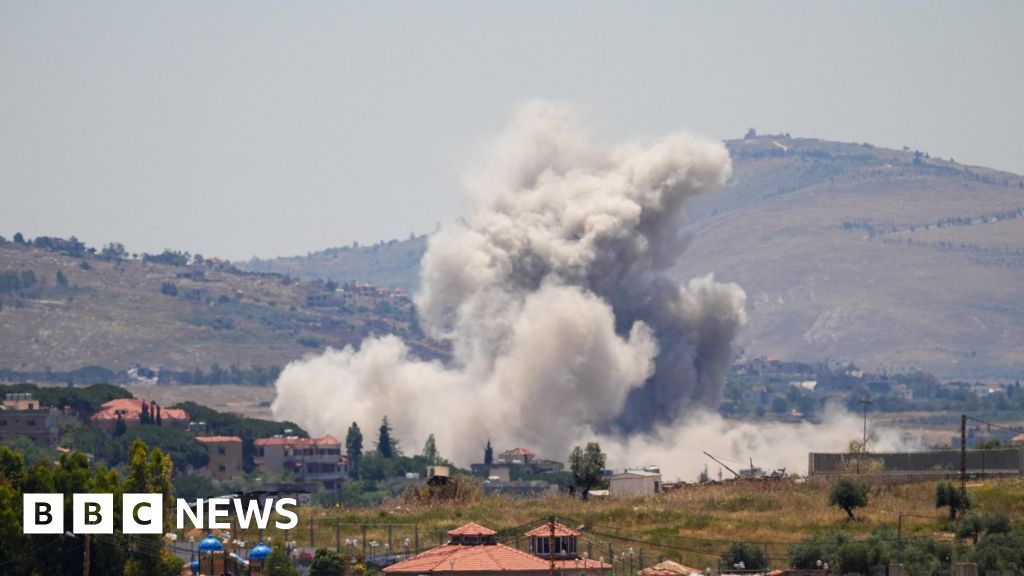
The deal would set up pilot security zones in southern Lebanon and requires Hezbollah to stop firing and pull back from the border area. Hezbollah says it was excluded from the talks and that the agreement serves Israel's goals, while Israeli strikes continued in Lebanon.
It is like two kids agreeing to stop a fight, but one kid was not invited to the talk and says the rules are unfair. The deal may pause shooting, but it still has big holes, and people on the ground are unsure it will hold.
Analysis
What the deal says
Israel and Lebanon announced a renewed ceasefire framework after US-mediated talks in Washington. The arrangement includes the creation of pilot security zones inside Lebanon, where Hezbollah operatives would be banned, and it is contingent on a complete halt in fire by Hezbollah. The agreement also calls for the withdrawal of Hezbollah-linked fighters from the area between the Israeli border and the Litani river, where Israeli ground forces are currently present.
Why Hezbollah rejected it
Hezbollah’s leader, Naim Qassem, said the talks were futile and humiliating for Lebanon, and the group rejected the agreement outright. The group argued that the supposed ceasefire would amount to surrender because it would require Hezbollah to stop firing and retreat from the southern front while Israel keeps pressing its military aims. Hezbollah was not part of the negotiations, and it appears to view the deal as politically useful for Israel and its allies.
What happens next
The text says the deal does not include maps showing where the pilot zones would be or how they would work in practice, which leaves major details unresolved. Lebanon’s president said the ceasefire could be implemented within 24 hours of final approval by all sides, while Israel’s defence minister said the army would keep operating for now to dismantle what he called terrorist infrastructure. Further talks are scheduled for 22 June with a view to a more comprehensive agreement.
On the ground
The BBC describes skepticism in Beirut’s southern suburbs, a Hezbollah stronghold, where local business owners said a ceasefire cannot work from one side alone. Lebanese media reported continuing Israeli strikes on Thursday, including deadly attacks in the Bekaa Valley town of Sohmor and on a motorcycle elsewhere in southern Lebanon.
Key points
- Hezbollah rejected the US-backed ceasefire deal and called the talks humiliating for Lebanon.
- The agreement would create pilot security zones in Lebanon and require Hezbollah to stop firing and withdraw from the border area.
- The deal still lacks maps and practical detail on how the zones would work.
- Israel said its military would keep operating on the ground for now.
- Lebanese media reported fresh Israeli strikes and casualties in southern Lebanon and the Bekaa Valley.
If the sides can turn this framework into a real agreement, it could reduce fighting along the Israel-Lebanon border and limit strikes inside Lebanon. The planned June 22 talks offer another chance to fill in missing details and build a wider ceasefire.
Hezbollah’s rejection makes the deal fragile, especially since it was not part of the talks and says the terms amount to surrender. Continued Israeli strikes and the lack of maps or practical detail for the pilot zones could keep the ceasefire from taking hold.