Hitting the right note: apolitical animals or European heroes for new euro designs?
The European Central Bank is redesigning euro banknotes for the first time since 2002, with a public survey underway to choose between cultural figures or wildlife themes. The new designs aim to move beyond neutrality and foster a stronger European identity.
Intelligence analysis by Gemini 2.5 Flash
The ECB is engaging the public in a significant redesign of euro banknotes, moving away from generic architectural motifs to potentially feature prominent European cultural figures or diverse wildlife. This initiative, driven by security needs, also serves as an opportunity for the EU to build a more tangible shared identity among its member states.
Imagine your pocket money getting a cool new look! Europe is changing its paper money, called euros, for the first time in a long while. Instead of just pictures of pretend windows, they might put famous people like scientists or musicians, or even beautiful birds like storks, on them. It's like picking new characters for a game to make everyone feel more connected to their money.
Analysis
The Quest for a European Identity
The European Central Bank (ECB) is embarking on a significant redesign of euro banknotes, marking the first comprehensive overhaul since the currency's paper money entered circulation in 2002. This initiative moves beyond the previous "neutral" motifs—imaginary bridges, doorways, and windows—which were deliberately chosen to avoid favoring any single member nation. The current redesign seeks to imbue the banknotes with a more tangible sense of European identity, fostering a deeper connection between citizens and their shared currency.
A public survey has engaged over 6 million people within a week, highlighting widespread interest in the future aesthetic of the euro. The survey presents two primary themes for the new designs: prominent European cultural figures or diverse wildlife and waterways. This public consultation, alongside a quantitative survey and a jury of designers, will inform the ECB's final decision, expected by the end of 2026, with new notes entering circulation around 2030 or 2031.
Balancing Representation and Unity
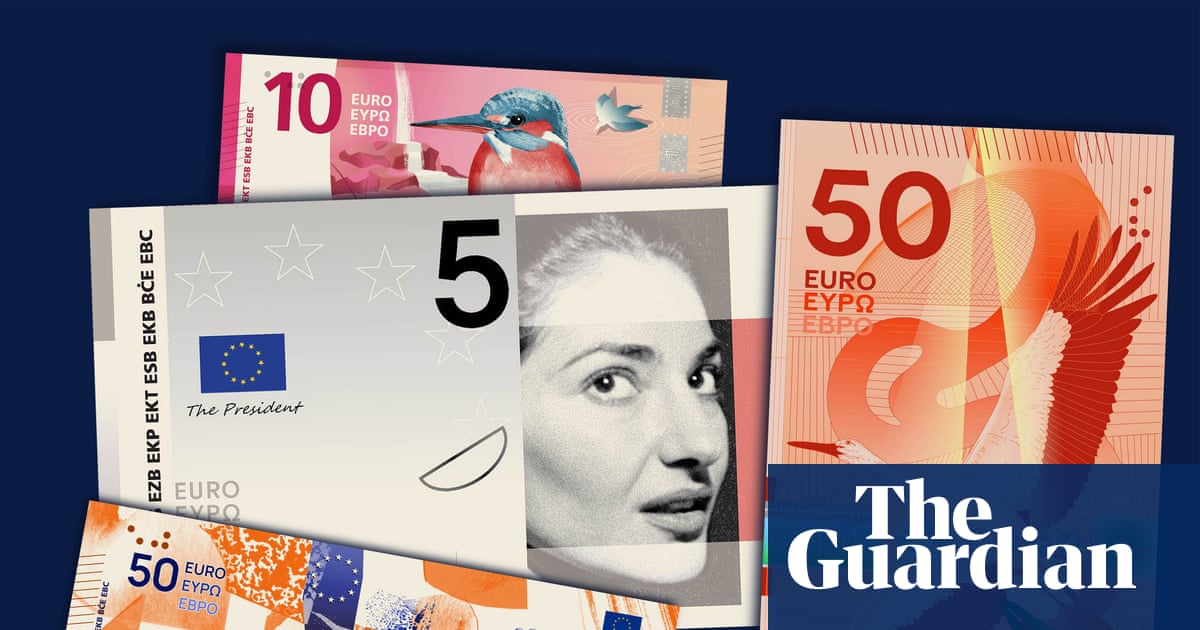
The cultural theme proposes figures like the American-Greek soprano Maria Callas, German composer Ludwig van Beethoven, Polish-French scientist Marie Curie, Spanish author Miguel de Cervantes, Italian polymath Leonardo da Vinci, and Austrian pacifist Bertha von Suttner. These selections are carefully balanced to represent various corners of the eurozone and showcase individuals whose work transcended national borders, making them pan-European icons. The reverse of these notes would depict public scenes of artistic and intellectual activity.
Alternatively, the wildlife theme features birds such as the wallcreeper, kingfisher, bee-eater, white stork, avocet, and northern gannet, set against typical European landscapes. This option offers a different approach to unity, emphasizing shared natural heritage and the freedom of movement across the continent. The debate between these two themes reflects a broader challenge for the EU: how to represent its diverse member states while cultivating a cohesive collective identity without causing political polarization, a concern previously seen in other national currency redesigns.
Beyond Aesthetics: Security and Symbolism
While the aesthetic and identity-building aspects are prominent, the primary driver behind the redesign is the need for enhanced security features to stay ahead of counterfeiting. Philippe Geoffroy, head of section for new banknotes at the ECB, confirmed that security is paramount, but acknowledged the concurrent goal of increasing identification with the single currency. This dual purpose underscores the strategic importance of the redesign, transforming a necessary security update into an opportunity for symbolic reinforcement of the European project.
The shortlisted designs, chosen from over 1,200 applications, come from creatives not typically involved in banknote design, resulting in some radically different visual interpretations. Examples include a Dutch book designer cropping cultural figures tightly around their eyes to emphasize vision, and a German illustrator rendering personalities in a graphic novel style. French and Finnish artists have proposed vertical layouts for the wildlife theme, depicting birds in dynamic flight sequences. These innovative approaches aim to make the new euro notes not only secure but also graphically meaningful and distinctly European.
Key points
- The European Central Bank is undertaking the first full redesign of euro banknotes since their 2002 introduction.
- A public survey has garnered over 6 million votes on whether to feature cultural figures or wildlife.
- Ten shortlisted designs include prominent European personalities like Marie Curie and Beethoven, or birds such as storks and bee-eaters.
- The redesign aims to enhance security features and move away from "neutral" motifs to build a stronger European identity.
- New notes are expected to enter circulation in 2030 or 2031.
The redesign could successfully foster a stronger sense of shared European identity and pride among citizens, making the euro feel more personal and meaningful. By featuring diverse cultural figures or unifying natural themes, the new notes might enhance public identification with the single currency and the broader European project.
Despite careful balancing, the selection of specific cultural figures or even wildlife could inadvertently spark controversy or feelings of exclusion among some member states. This could undermine the goal of unity, potentially leading to criticism that the designs do not adequately represent the continent's vast diversity.