Holiday Hunger Bill: Campaigners claim minister attempting to undermine bill
Campaigners accuse Northern Ireland's education minister, Paul Givan, of trying to undermine a proposed law, the Holiday Meals Payment Bill, which aims to provide food payments to poorer families during school holidays. Givan has proposed amendments that would give him di…
Intelligence analysis by Gemini 2.5 Flash
A legislative battle is unfolding in Stormont over the Holiday Meals Payment Bill, designed to support low-income families with food costs during school breaks. Education Minister Paul Givan, citing departmental budget constraints, has tabled amendments that campaigners and the bill's proposer, Danny Baker, argue would effectively delay or block its implementation, despite the departm…
Imagine a new rule to give money to families so kids don't go hungry when school is closed for holidays. But the person in charge of school money, Paul, says his department doesn't have enough cash and wants to decide when the rule starts, maybe even much later. People who want to help kids are worried this means the help might never come.
Analysis
Paul Givan
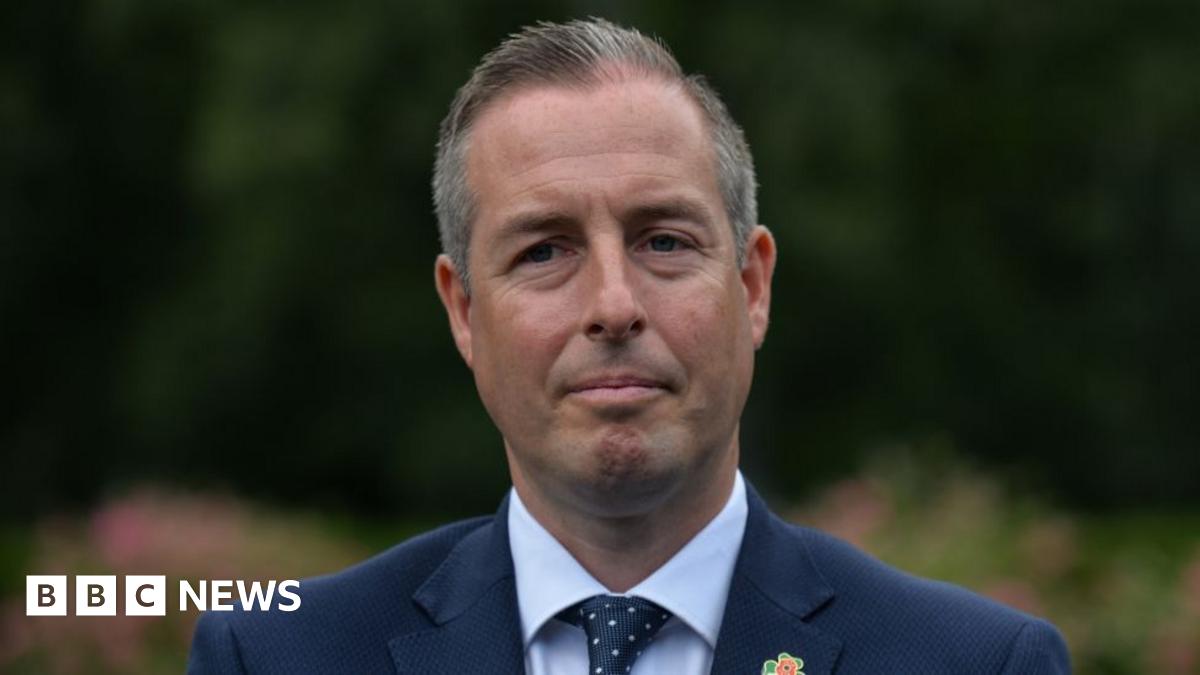
Northern Ireland's Education Minister, Paul Givan of the DUP, finds himself at the centre of a political and social welfare debate concerning the proposed Holiday Meals Payment Bill. Givan has consistently voiced strong reservations about the legislation, primarily due to its potential financial implications for his department. He argues that the bill, if passed in its current form, would impose an immediate and substantial cost on an already strained education budget.
His concerns stem from the Department of Education's existing financial challenges and the need to manage its budget responsibly. Givan's proposed amendments are framed by his department as an attempt to balance the bill's intended purpose with fiscal prudence. However, these amendments have been met with significant opposition from campaigners and the bill's proposer, who view them as a tactic to delay or even prevent the scheme's implementation.
£20m
A central point of contention in the debate is the estimated annual cost of the Holiday Meals Payment Bill, which Minister Givan has pegged at £20m. This figure represents a significant outlay for the Department of Education, especially at a time when it is reportedly struggling to balance its budget and faces "significant financial challenges across the system." Givan has explicitly warned MLAs that supporting the bill without addressing its funding would necessitate cuts to other areas of education spending.
The financial burden is a key driver behind Givan's push for amendments that would grant him discretion over the timing of the payments. This fiscal argument highlights the difficult trade-offs faced by government departments in allocating limited public funds. While the bill aims to address a critical social need, the minister's department is tasked with managing broader educational priorities within a constrained financial envelope.
Holiday Meals Payment Bill
The Holiday Meals Payment Bill is designed to provide crucial support to vulnerable families by extending financial assistance for food during school holidays. Modelled on a pandemic-era scheme, it proposes payments for children who qualify for free school meals, aiming to combat "holiday hunger." This initiative reflects a broader societal concern about child poverty and food insecurity, particularly during periods when school-provided meals are unavailable.
The bill has garnered support from a coalition of campaign groups, including the NSPCC and Save the Children, who advocate for its immediate and unconditional implementation. They argue that Givan's proposed amendments, by introducing ministerial discretion over the start date, would effectively remove any guarantee of when, or if, these vital payments would ever commence. The legislative battle over this bill underscores the tension between social welfare objectives and governmental budgetary realities in Northern Ireland.
Key points
- Campaigners accuse Education Minister Paul Givan of undermining the Holiday Meals Payment Bill.
- The bill proposes payments to families whose children receive free school meals during holidays.
- Givan argues the bill would cost his department £20m annually, which it cannot afford.
- His proposed amendments would give him discretion over the bill's implementation timeline.
- Campaign groups and Sinn Féin's Danny Baker fear the amendments could indefinitely delay payments.
If the bill passes without the minister's amendments, or if a compromise is reached, it could provide crucial financial relief to thousands of vulnerable families, ensuring children have access to nutritious food during school holidays and alleviating some of the pressure from the cost-of-living crisis.
Should the minister's amendments be accepted, the implementation of the Holiday Meals Payment Bill could be indefinitely delayed or even effectively blocked, leaving low-income families without vital support for food costs during school breaks and exacerbating child poverty.