Homeowner feared energy grant scheme was a scam
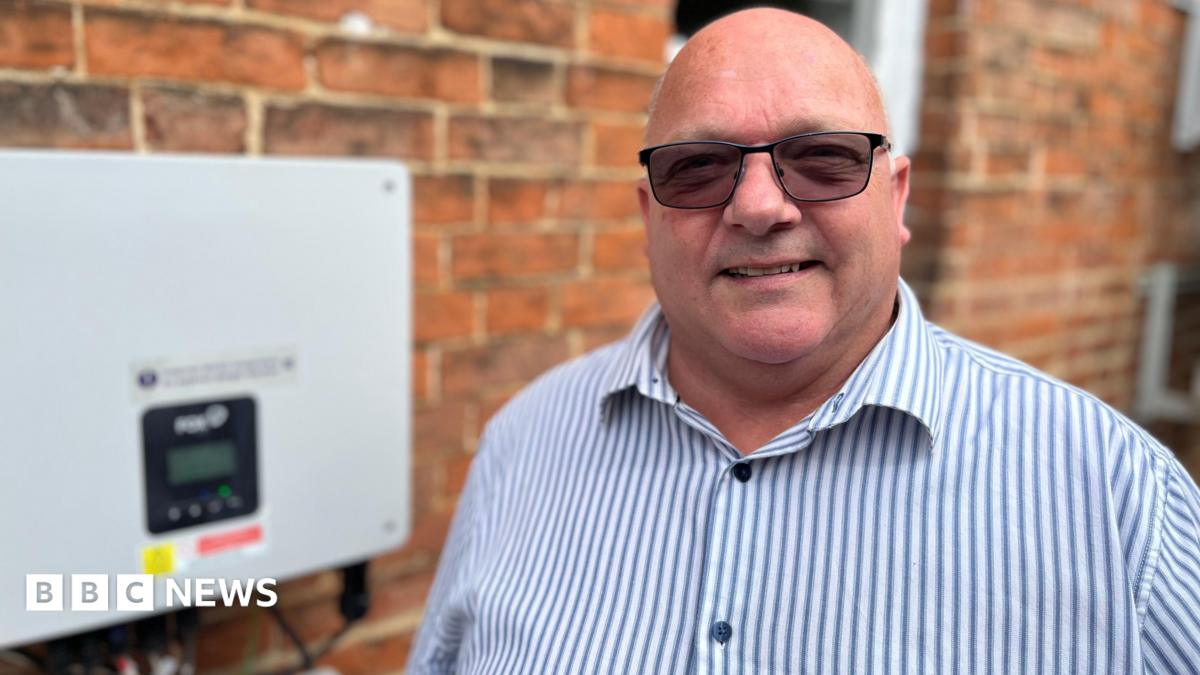
A homeowner in Wisbech initially feared a government energy efficiency grant scheme was a scam but ultimately benefited from solar panel installation, significantly reducing his electricity bill. However, the local council delivering the scheme has exhausted its £3.5m fun…
Intelligence analysis by Gemini 2.5 Flash
The Warm Homes Local Grant scheme, designed to make lower-income homes more energy efficient, has seen success in Cambridgeshire, helping 245 homes with improvements like solar panels. Despite initial skepticism, one beneficiary reported drastically reduced energy bills. However, the program has run out of its allocated £3.5m, prompting councils to request more funding from the govern…
Imagine your house is like a leaky bucket, and you're always pouring money into it to keep it warm. A special government plan helps people fix their leaky buckets by putting on a new lid, like solar panels, so they don't need to spend as much money on heating. One man was worried it was a trick, but it worked, and now his bucket hardly leaks any money! But lots of people want this help, and the special money for fixing buckets has run out, so some people are sad because they have to wait.
Analysis
The experience of David Brain in Wisbech offers a compelling case study for the efficacy and public perception of government-backed energy efficiency initiatives. His initial skepticism, rooted in the common fear of scams, underscores a significant hurdle for public trust in such programs. The fact that he diligently verified the scheme through official channels and found the process transparent, without 'hard sell or a hard push,' is crucial for building confidence. His subsequent report of electricity bills dropping to '2p a day' after solar panel installation provides tangible evidence of the scheme's potential to deliver substantial financial relief to households, directly addressing the cost of living crisis and promoting energy independence.
£3.5m grant
The financial mechanics of the Warm Homes Local Grant scheme reveal both its success and its limitations. The allocation of £3.5m to councils in Cambridgeshire, which has already facilitated upgrades for 245 homes, demonstrates a clear demand and effective local delivery mechanism through the Cambridgeshire Energy Retrofit Partnership. This partnership, combining six councils, appears to be a successful model for implementing national policy at a local level. The rapid exhaustion of funds, however, points to an underestimation of demand or insufficient initial funding, creating a bottleneck for further progress. The proactive step by Cambridge City Council, as the lead authority, to formally request an extension of funding from the Department for Energy Security and Net Zero (DESNZ) highlights the perceived value and effectiveness of the program by those on the ground.
The government's stated priority of 'bringing bills down for good' through its Warm Homes Plan aligns with the objectives of this grant. However, the current funding shortfall in Cambridgeshire suggests a disconnect between national ambition and local resource provision. While DESNZ is exploring options for a single low-income scheme to consolidate local partnerships, the immediate impact of depleted funds is a halt in new installations. This pause not only delays energy savings for eligible households but also risks undermining the momentum and public trust built by successful early implementations. The challenge lies in ensuring continuous and adequate funding to meet the demonstrated need and maintain the integrity of such vital energy transition programs.
Trevor Dewey
The story of Trevor Dewey from Little Downham starkly illustrates the human cost of the funding shortfall. Having hoped for significant improvements like a new boiler and solar panels, his disappointment upon learning the scheme had run out of money is palpable. This situation creates a two-tiered system where early applicants benefit, while others, equally deserving and in need, are left waiting, potentially for '12 months' time.' Such delays can be particularly impactful for lower-income households, for whom energy efficiency upgrades are not just about savings but about basic comfort and financial stability.
This outcome risks eroding public confidence in government schemes, especially when expectations are raised and then dashed. For individuals like Dewey, who had contractors visit his home, the sudden cancellation of planned works can be frustrating and disheartening. It underscores the importance of robust, long-term funding commitments for such initiatives to ensure equitable access and avoid creating a lottery system for essential home improvements. The government's efforts to streamline schemes into a 'single low-income scheme' are commendable in principle, but their effectiveness will ultimately be judged by their ability to provide consistent and sufficient support to all eligible households without interruption.
Key points
- A homeowner in Wisbech initially doubted a government energy grant scheme but saw his electricity bill drop to 2p a day after solar panel installation.
- The Warm Homes Local Grant scheme in Cambridgeshire has helped 245 homes but has now exhausted its £3.5m funding.
- Local councils have formally requested more money from the government to continue the successful program.
- Another resident, Trevor Dewey, was disappointed when his planned home improvements under the scheme were cancelled due to lack of funds.
- The Department for Energy Security and Net Zero is exploring options for a single low-income scheme to streamline such initiatives.
There is a strong possibility that the government will extend funding for the Warm Homes Local Grant scheme, given its proven success and the clear demand. If more money is allocated, councils can continue to help vulnerable households reduce their energy bills and improve home efficiency, contributing to both economic relief and environmental goals.
If the government does not provide additional funding, many eligible households will miss out on crucial energy efficiency upgrades, leaving them exposed to high energy costs. This could lead to increased financial strain for lower-income families and hinder progress towards national energy and climate targets.