Hong Kong designer sues Prada for US$5 million over abandoned Rolls-Royce project
A Hong Kong-based Belgian designer, Jonathan Riss, is suing Prada for US$5 million, claiming the fashion giant breached agreements to jointly develop a marketing initiative for a Rolls-Royce project.
Intelligence analysis by Llama
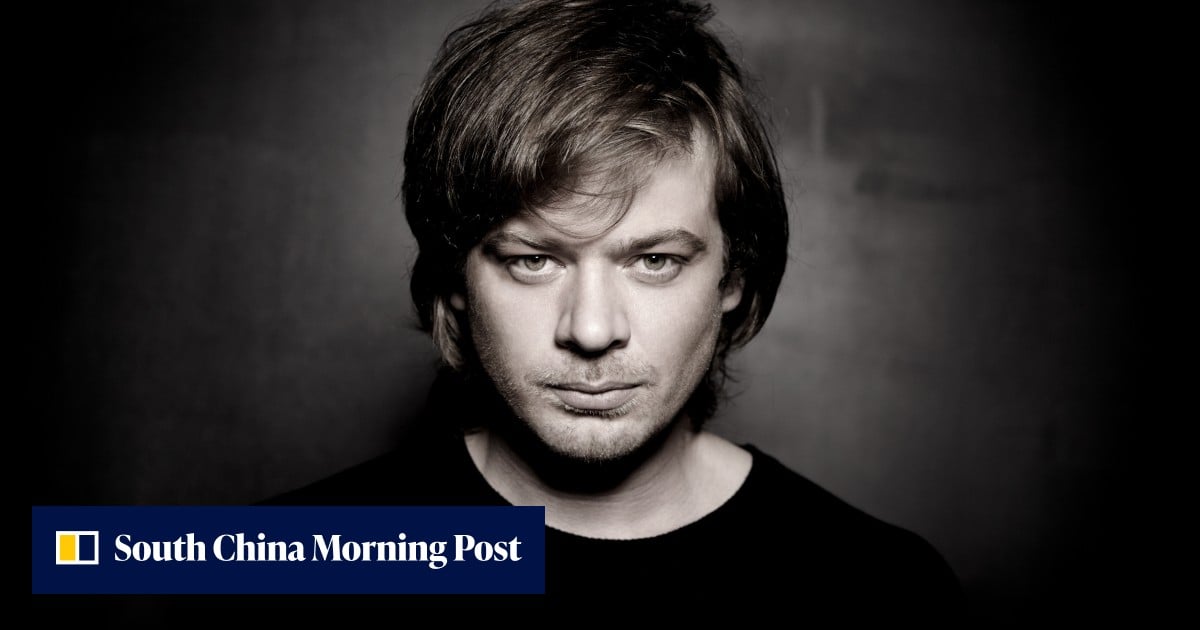
Hong Kong designer Jonathan Riss is suing Prada for US$5 million, alleging the fashion brand abandoned a partnership agreement to redesign Rolls-Royce cars for exhibitions and events worldwide.
Imagine you're a designer who works with a big fashion brand like Prada. You agree to work together on a project, but then the brand decides to stop working with you without a good reason. You might feel upset and want to take action. That's what's happening in this story, where a designer is suing Prada for US$5 million because they think the brand broke their agreement.
Analysis
Prada's Alleged Breach of Agreement
Jonathan Riss, a Hong Kong-based Belgian designer, has filed a lawsuit against Prada, claiming the fashion giant breached various written and verbal agreements to jointly develop a marketing initiative for a Rolls-Royce project. The lawsuit, filed in the High Court, seeks damages of at least US$5 million. Riss, the founder of luxury fashion brand Jay Ahr, maintains a studio in an industrial building in Wong Chuk Hang, Hong Kong Island's southern district. Ahrsenal Limited, the automotive arm of Jay Ahr, is also named as a plaintiff in the lawsuit.
According to the lawsuit, Riss was initially engaged by Prada's chairman, Patrizio Bertelli, in February 2024 to transform Prada's Galleria and Nylon bags. The two parties later agreed to work on a neo-prototype concept incorporating the signature elements of Prada and Jay Ahr. However, Prada allegedly unilaterally abandoned the partnership agreement for accountability reasons.
The lawsuit names Prada chairman Patrizio Bertelli, his fashion-designer wife Miuccia Prada, and their son Lorenzo Bertelli, who serves as the firm's executive director, as defendants. Riss's reputation as a luxury fashion designer and his collaborations with international brands such as Louis Vuitton, Hermes, and Rolls-Royce are also highlighted in the lawsuit.
The case highlights the potential risks and consequences of breaching business agreements, particularly in the luxury fashion industry. It also raises questions about the accountability and transparency of large corporations in their business dealings.
Implications for Luxury Fashion Industry
The lawsuit has significant implications for the luxury fashion industry, particularly in the context of partnerships and collaborations between brands. It highlights the importance of clear communication, transparency, and accountability in business agreements. The case also raises questions about the role of luxury fashion brands in promoting creativity and innovation, and the potential consequences of breaching agreements.
Prada's Response
Prada has not publicly commented on the lawsuit, but the company's reputation and business practices are likely to be scrutinized in the coming weeks and months. The lawsuit has the potential to impact Prada's brand image and reputation, particularly in the context of its partnerships and collaborations with other brands.
Key points
- Hong Kong-based designer Jonathan Riss is suing Prada for US$5 million over alleged breach of agreement
- Riss claims Prada unilaterally abandoned a partnership agreement to jointly develop a marketing initiative for a Rolls-Royce project
- The lawsuit names Prada chairman Patrizio Bertelli, his wife Miuccia Prada, and their son Lorenzo Bertelli as defendants
If the court rules in favor of the designer, it could set a precedent for other designers and artists who feel they've been unfairly treated by fashion brands. This could lead to more transparency and accountability in the industry, and potentially even more opportunities for designers to collaborate with brands on exciting projects.
On the other hand, if the court rules against the designer, it could be seen as a warning to others who might be thinking of taking on big fashion brands. This could lead to a culture of fear, where designers are less likely to speak out against unfair treatment and more likely to keep quiet and accept whatever terms are offered to them.